
REVIEW · ROME STREET FOOD TOURS
Rome Street Food: Delights at Campo dei Fiori & Ghetto Area
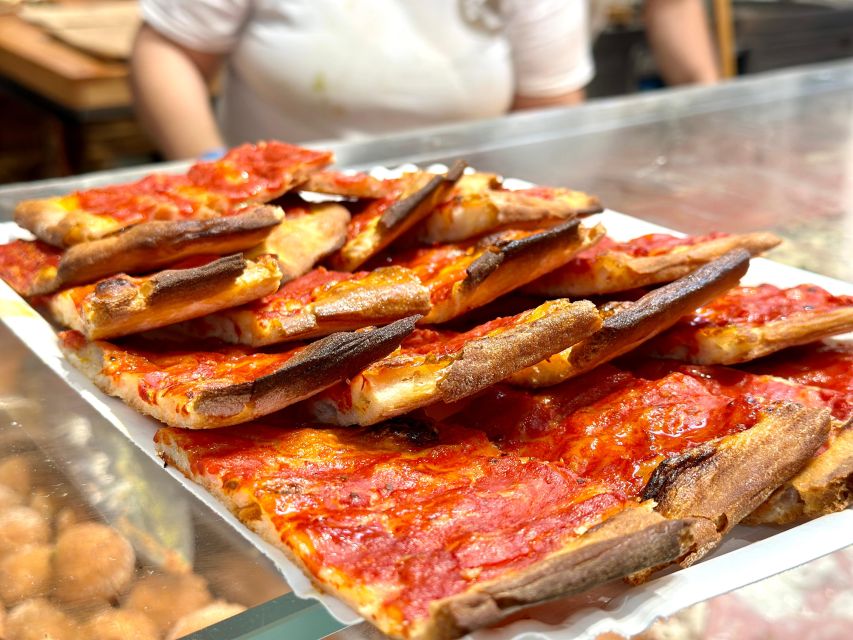
Rome’s best street food often comes in small, humble packages: a crisp rice ball called supplì, a slice of Roman pizza, or an artichoke fried until its leaves crackle. This 2.5-hour walk connects those tastes with Campo de’ Fiori, the Jewish Ghetto, and Largo Argentina, so you get a meal and a history lesson in one outing.
I like the strong mix of food and sightseeing, especially the stop at a bakery with a long local tradition and the chance to try Roman-Jewish fried artichoke. I also like the value: at $41, the five food stops, small pours of wine and beer, gelato, and guided walking can cover much of your lunch. The main drawback is that this is a standing and walking tour over cobbles, and the food choices are poor for vegans, people with gluten intolerance, and those avoiding dairy.
What makes this Rome food walk worth considering
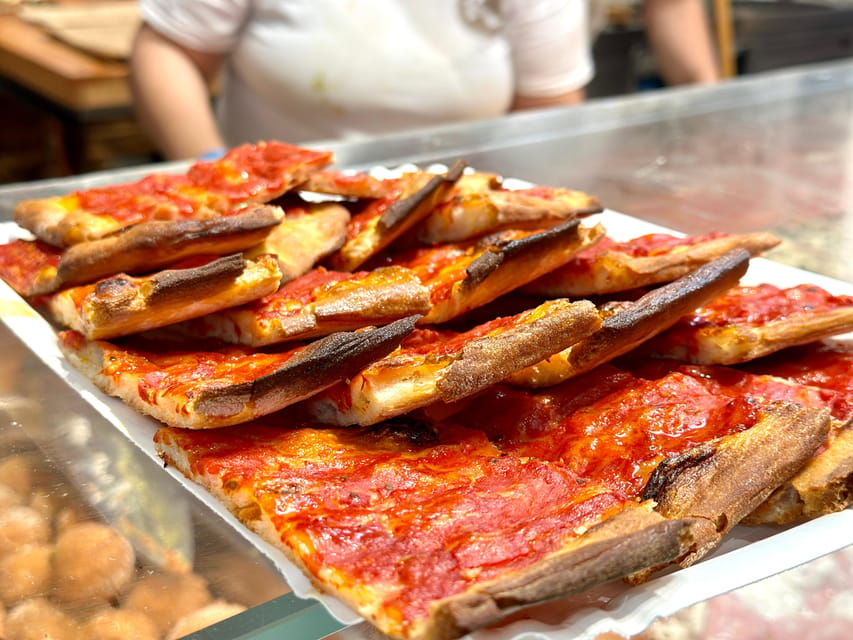
- Roman staples in one short route: Try pizza, cured meats, supplì, fried artichoke, and gelato without crossing the city.
- A useful neighborhood pairing: Campo de’ Fiori brings market life and food shops, while the Jewish Ghetto adds a distinct Roman-Jewish cooking tradition.
- History between bites: Your guide points out Giordano Bruno’s statue, an old frescoed passageway, a shrine, and the ruins at Largo Argentina.
- Morning and afternoon differences: Morning tours can include olive oil, truffles, and balsamic vinegar at the market. Afternoon departures may miss the market experience.
- Food that can replace lunch: Portions are reported as generous enough to keep you going until dinner, though this is still a tasting tour rather than a sit-down meal.
- A personal guide makes a difference: Guides including Francesca, Mattia, Barbara, Ramona, Arianna, and Adrianne have been praised for clear explanations and friendly care.
Starting under Giordano Bruno in Campo de’ Fiori
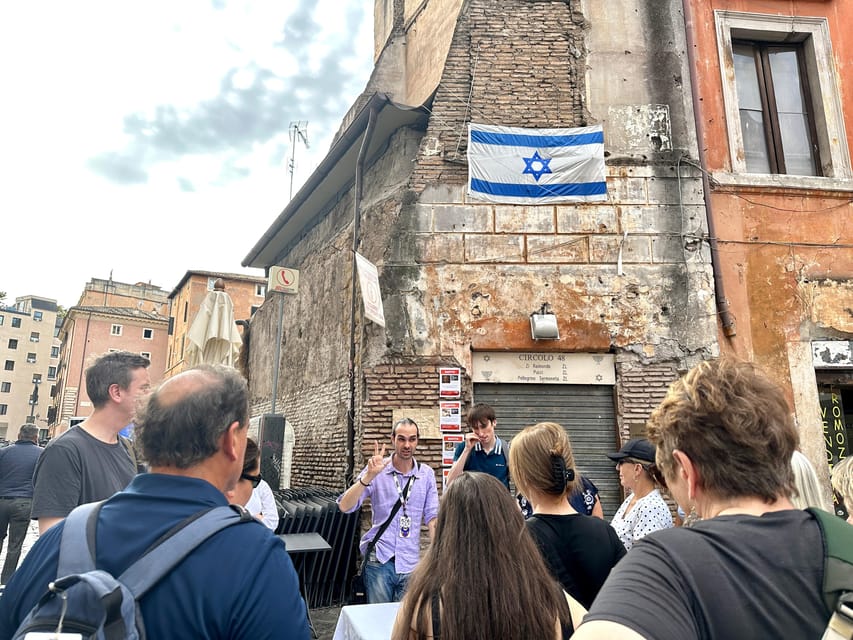
Meet your English-speaking guide beneath the statue of Giordano Bruno in the middle of Campo de’ Fiori. This is a sensible meeting point, but the square can be busy, so arrive early enough to find the statue without rushing.
Campo de’ Fiori is more than a photo stop. In the morning, its market gives you a look at the everyday food trade in central Rome. The exact market tastings depend on the departure time. A morning tour may include olive oil, truffles, and balsamic vinegar, while an afternoon tour may begin after the stalls have been cleared.
That timing matters. One visitor specifically knew the afternoon schedule would miss the market, then watched the square get cleaned with surprising speed. If you care most about market life, choose a morning departure. If you mainly want the food shops and historic streets, the afternoon route still offers plenty.
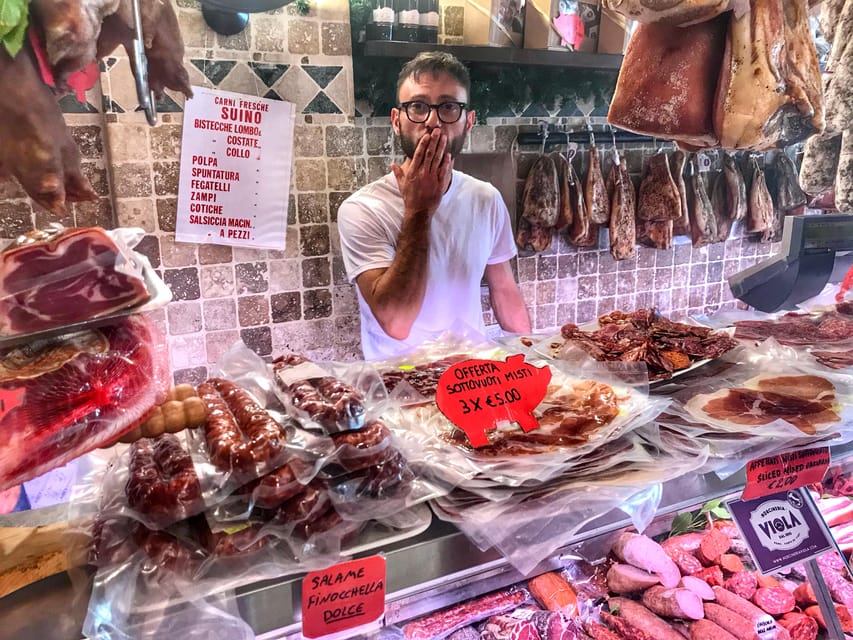
The first food stop includes pizza from an old bakery, along with a selection of cured meats from a local shop operating since 1890. These are useful introductions to Roman eating habits because they are simple foods made for sharing, a quick lunch, or a bite between errands.
You also receive a small sample of wine. Do not expect a full wine tasting or several glasses. The drink is a modest addition to the food rather than the focus of the tour.
More street food tours in Rome:
- Rome: Street Food Tour with Local Guide
★ 4.8 · 4,077 reviews - Rome: Trastevere & Campo de Fiori Street Food Walking Tour
★ 4.9 · 2,768 reviews - Rome Street Food Tour with Local Guide
★ 5.0 · 2,361 reviews
Via del Biscione and a small surprise
From Campo de’ Fiori, the group walks about ten minutes along Via del Biscione. This short stretch helps connect the food stops with the older fabric of Rome.
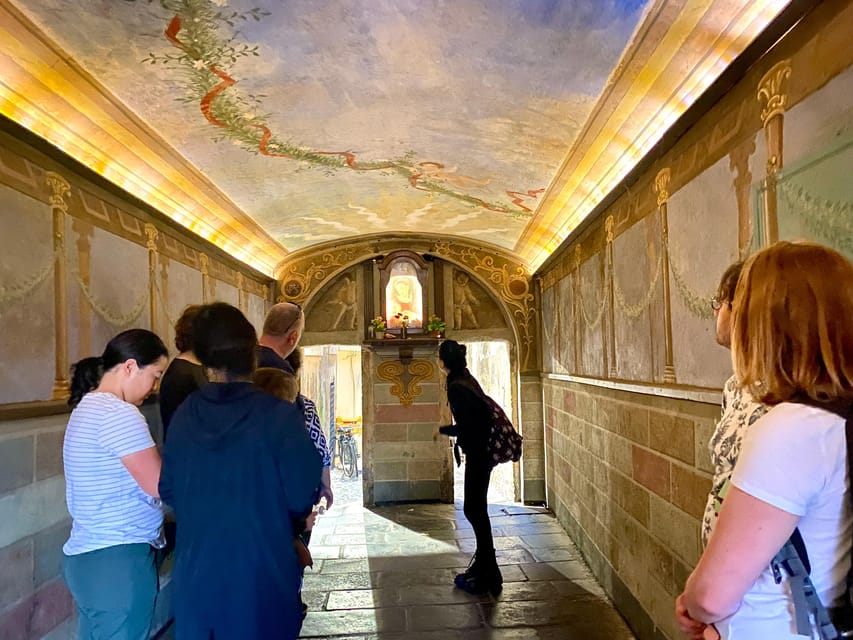
The route includes an ancient passageway with frescoes and a shrine. It is the kind of detail you could easily miss while moving between major monuments. A guide is useful here because the lane itself may not explain why it matters, and the point is not simply to take another photograph. It is a reminder that Rome’s history often appears in corners rather than only at grand sites.
This part of the walk also gives your food a setting. Instead of moving from shop to shop with no context, you learn how streets, religious images, old buildings, and local businesses sit side by side in the historic center.
Pizza, cured meat, and the Roman way to snack
The stop on Via dei Chiavari lasts about 30 minutes and is one of the more substantial food portions. You can expect Roman pizza and artisanal cured meat, with the pizza receiving especially strong praise from the guides’ past groups.
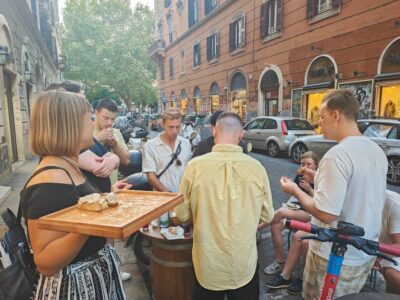
Roman pizza here is served as street food, not as a long restaurant meal. That makes it a good fit for this route. You can taste it, ask questions, and keep walking without losing an hour at a table.
The cured meat comes from a shop with roots going back to 1890. That detail gives the stop a sense of continuity, but the practical benefit is even clearer: you are tasting products from a specialist food store rather than grabbing a generic snack near a monument.
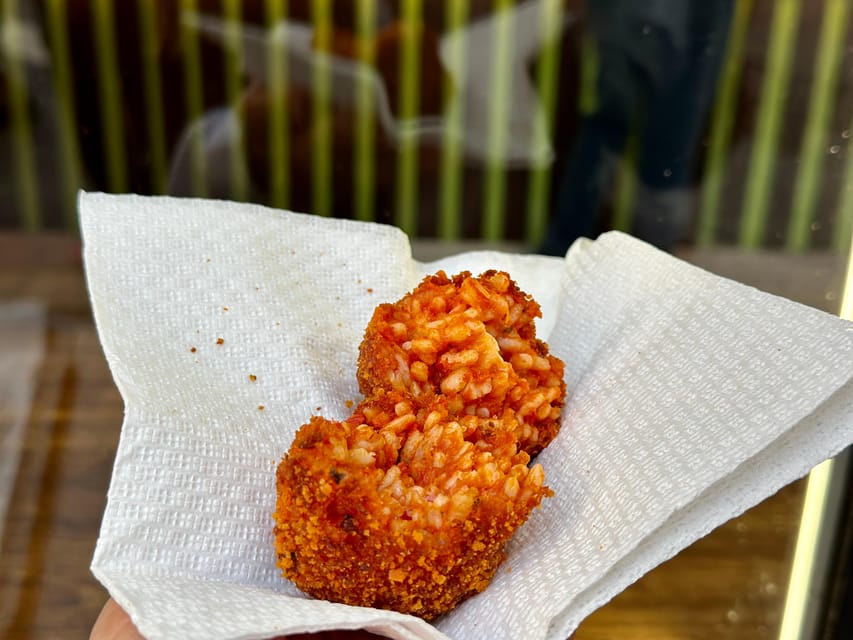
The tour also includes the Roman specialty known as supplì. This is a deep-fried rice ball, usually eaten by hand. Its crisp outer coating and soft rice center make it one of Rome’s classic quick foods. It is filling, so pace yourself early in the tour. The route includes several tastes, and it is easy to treat every stop like a full meal.
The food can add up to a proper lunch. One family found the portions generous enough to stay full until evening, and another couple considered the tour excellent value beside food walks costing twice as much. At $41, that is a real strength, especially if you plan the tour around lunch.
Entering Rome’s Jewish Ghetto
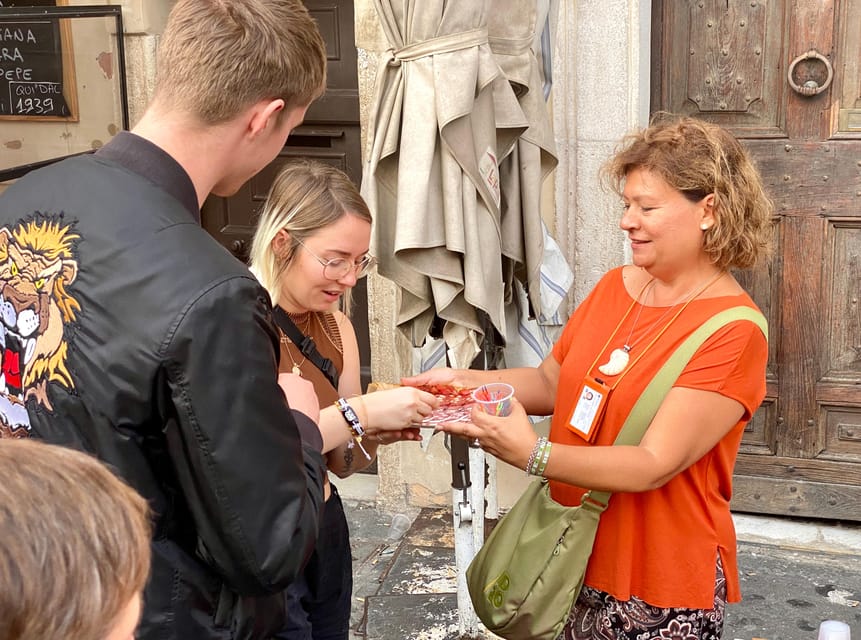
The walk then reaches the Jewish Ghetto, one of the oldest Jewish quarters in the western world. This is where the tour shifts from broad Roman street food to a more specific local tradition.
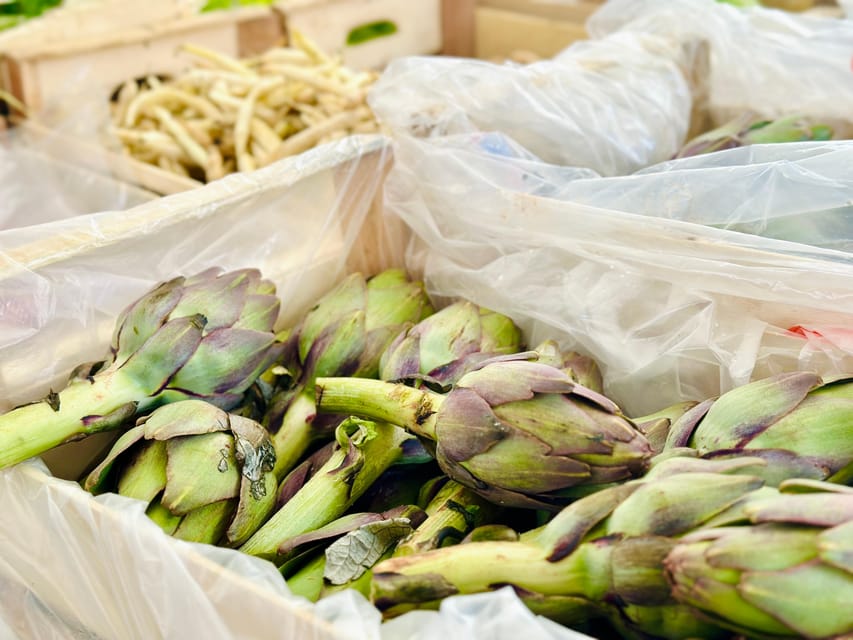
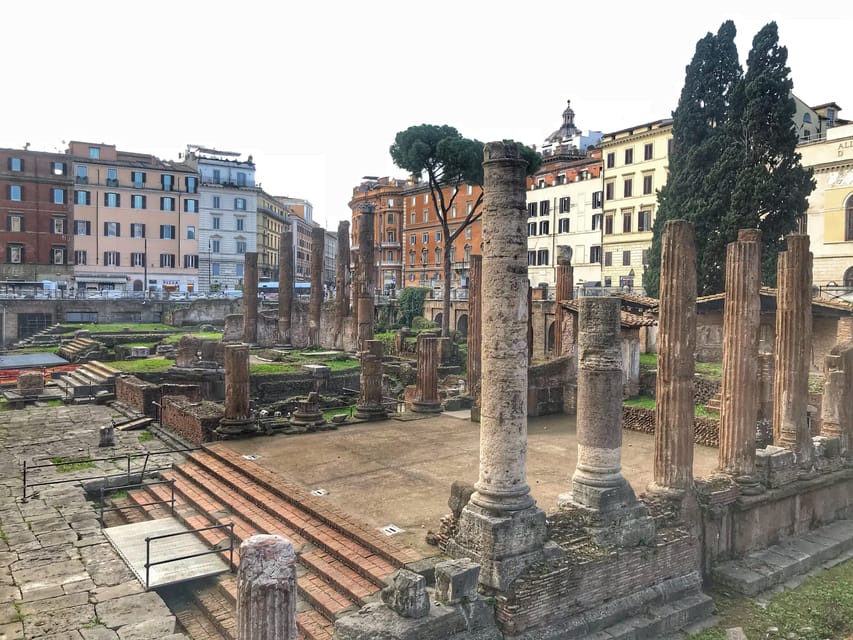
The central tasting here is fried artichoke, a Roman-Jewish favorite with crisp leaves and a soft center. It is one of the most distinctive foods on the route, and it gives you something you might not confidently order on your own.
The neighborhood deserves more than a quick food stop. You will hear about the cooking traditions of Rome’s Jewish community and how those traditions became part of the city’s wider food culture. The guide’s role matters most here, since the dish makes more sense when you know why it belongs to this area.
There is one point to keep in mind. The scheduled time in the Jewish Ghetto is about 45 minutes, but most of the food emphasis remains concentrated in the fried artichoke stop. If you want a tour devoted almost entirely to Jewish-Roman cuisine, this may feel too brief. If you want a wider Rome tour with one strong taste from the quarter, the balance works better.
The Ghetto section also involves walking on old paving and cobbles. The route is generally flat, which helps, but flat does not mean effortless. You will stand at food stops and may not always have a seat. Wear shoes with secure soles and avoid treating this as an easy seated tasting.
Same city, another round of plates:
- Rome: Trastevere Street Food Walking Tour with Local Expert
★ 4.8 · 1,784 reviews - Roman Food Tour with Visit to the Trionfale Food Market
★ 5.0 · 471 reviews - Trastevere & Campo de’ Fiori Street Food Tour, Eat Like a Local
★ 5.0 · 207 reviews - Hidden Rome: Small Group E-Bike Tour with Street Food Stops
★ 5.0 · 169 reviews
Ending among the ruins at Largo Argentina
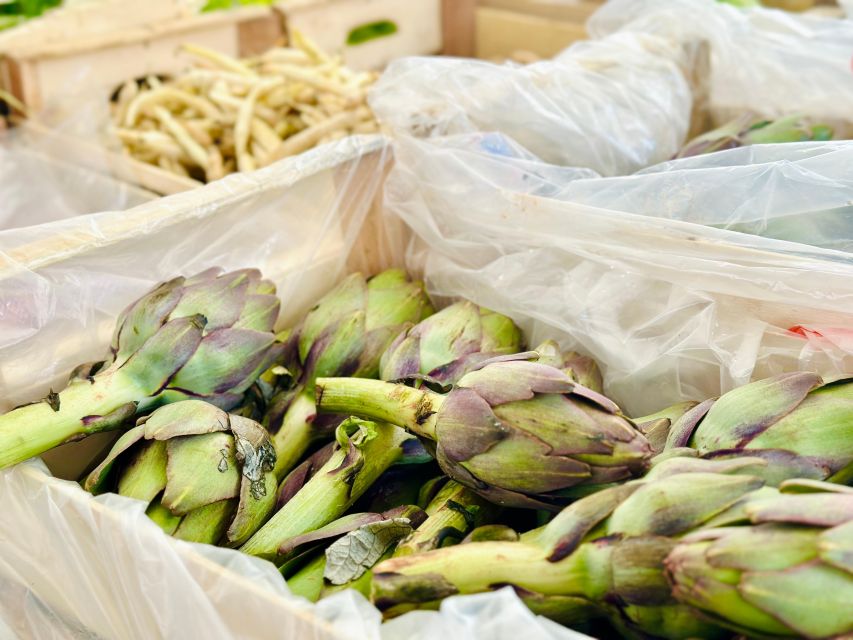
The final stop is Area Sacra di Largo Argentina, where the tour ends after about 20 minutes. This archaeological site adds an ancient Roman setting to a route that began with markets and bakeries.
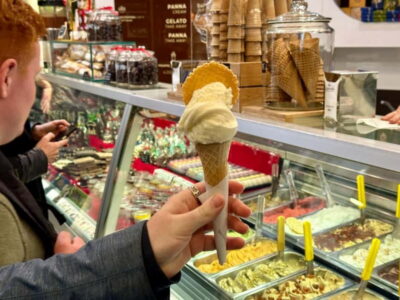
Here you receive gelato, a cool and familiar finish after fried food, pizza, and cured meat. It also gives the walk a clear rhythm: savory tastes early, a more distinctive artichoke in the middle, and dessert at the end.
The ruins at Largo Argentina are important to the tour because they prevent the experience from becoming only a food crawl. You are still moving through Rome’s old center and learning how the city’s past sits alongside ordinary daily life.
The tour ends at Area Sacra di Largo Argentina rather than returning to Campo de’ Fiori. That is useful if you plan to continue toward another central sight, but remember to allow time to orient yourself afterward. The final location is not the same as the meeting point.
What the guide adds to the food
The strongest part of this experience is not simply the number of samples. It is the explanation attached to them.
Past guides have included Francesca, Mattia, Barbara, Ramona, Arianna, and Adrianne. Their strengths, as shown by the tour’s feedback, include clear food explanations, local stories, patience with late arrivals, and a friendly approach with children and mixed-age groups.
Francesca has been praised for explaining both the food and the city. Mattia received strong approval for connecting each dish with its background. Barbara brought a cheerful manner and useful local insight, while Ramona handled a small private group with care when train delays made the couple ten minutes late.
Those details matter because a food walk can feel rushed if the guide only hands out samples. Here, the intended format gives you anecdotes about Italian dining habits, Roman food traditions, and the streets you are crossing. You learn not only what you are eating, but why it belongs in Rome.
Still, guide quality can vary from one departure to another. The named guides have all received strong praise, but you should book this for the route and format rather than expecting a particular person unless the operator confirms your guide.
Is $41 a good deal?
At $41 per person, the tour offers good value if you use it as lunch. You receive five food stops, a sample of beer, a sample of wine, and gelato, along with two and a half hours of guiding and sightseeing.
The food is not served as a formal multi-course meal. Drinks beyond the small wine and beer samples are not included, and you should budget for your own beverages if you want more to drink. Seats are not guaranteed, so the price also reflects a walking experience rather than a comfortable restaurant session.
Compared with a private food tour or a longer evening tasting, the cost is modest. The route also saves you the work of choosing shops and guessing what to order. That is especially useful on a first visit to Rome, when the historic center can offer too many choices at once.
I would see it as a strong lunch substitute, not a cheap snack. If you have a large appetite, the portions may satisfy you through the afternoon. If you want a long dinner with wine pairings and table service, choose something else.
Food restrictions and comfort
You must request a vegetarian option in advance. Vegan, gluten-free, and dairy-free options are not available, and anyone with a nut allergy should understand that cross contamination is possible.
This is also not suitable for wheelchair users or people with limited walking or standing capacity. The route is flat, according to one detailed account, but the cobbles and lack of guaranteed seating still make comfortable footwear and reasonable mobility important.
Pets are not allowed. The tour is conducted in English, and children can take part, with one past family group noting that the guide included both adults and kids in the questions and explanations.
Hot weather can make the walk harder. One guide adjusted the route to use shade where possible during a warm July outing. That is helpful, but you should still dress for Rome’s heat and remember that most tastings happen outdoors or in small food shops.
Who should book this tour?
I would recommend it to you if you want a first taste of Roman food without spending a full day on a cooking class or a formal meal. It suits curious eaters who enjoy walking, short historical explanations, and trying foods they might not order alone.
It is particularly useful early in a Rome visit. You can learn the difference between several everyday Roman foods, pick up ideas for later meals, and get your bearings around Campo de’ Fiori, the Jewish Ghetto, and Largo Argentina.
Families can also find it practical because the route is compact and the food comes in manageable portions. The guide’s questions and stories help keep the experience moving for younger participants, though children still need to manage cobbles and standing.
I would skip it if you need strict dietary control, cannot stand for long periods, or want a slow restaurant-based food experience. I would also choose another tour if the Jewish Ghetto is your main interest and you want several tastings devoted only to its cuisine.
Final call: a tasty first look at central Rome
Book this tour if you want Roman food plus neighborhood history at a fair price. The mix of pizza, cured meat, supplì, fried artichoke, gelato, and small drink samples should cover lunch for many people, while the guide keeps the walk tied to the streets and buildings around you.
Choose a morning departure if the market matters. Request a vegetarian option before booking, and do not rely on this tour if you need vegan, gluten-free, or dairy-free food. With those limits understood, this is a well-priced way to turn a few central Roman streets into a useful, filling introduction to the city.
FAQ
Where does the Rome street food tour begin?
Meet your English-speaking guide beneath the statue of Giordano Bruno in the center of Campo de’ Fiori.
Where does the tour end?
The tour ends at Area Sacra di Largo Argentina, beside the ruins at Largo Argentina.
How long does the experience last?
The walking food tour lasts 2.5 hours.
What food is included?
The tastings include Roman pizza, artisanal cured meat, supplì, fried artichoke, and gelato. Morning tours may also include olive oil, truffles, and balsamic vinegar at the market.
Are drinks included?
A sample of wine and a sample of beer are included. Additional drinks are not included.
Can the tour accommodate dietary restrictions?
A vegetarian option is available only when requested in advance. Vegan, gluten-free, and dairy-free options are not available. People with nut allergies should be aware of possible cross contamination.
Newly added plates around Rome
- Vegan Street Food Tour in Rome★ 5.0 · 6 reviews
- Testaccio Street Food Tour Eat Like a Local★ 3.5 · 2 reviews
- Tasty Trastevere Street Food Tour in Rome from Tiberine Island to Ponte Sisto★ 5.0 · 25 reviews
- Vatican Street Food Tour and Wine Experience with Local Guide★ 5.0 · 7 reviews
- Gems of Rome: Small group E-bike tour with street food stops★ 5.0 · 36 reviews
- Tasty Rome Street Food Tour around Campo de’ Fiori Market & Jewish Ghetto★ 5.0 · 2 reviews
- Small-Group Rome Street Food Guided Tour★ 5.0 · 15 reviews
- Rome Street Food Tour – History, Craft and Authentic Taste★ 5.0 · 25 reviews
Rome Street Food Tours, compared.
Trastevere & Campo de Fiori Street Food Walking Tour
Read our review →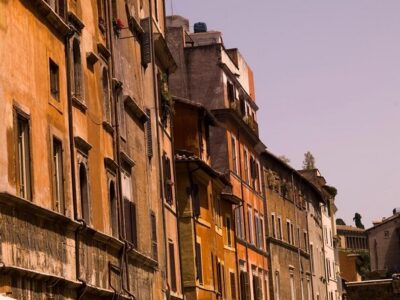
Trastevere Street Food Walking Tour with Local Expert
Read our review →
Roman Food Tour with Visit to the Trionfale Food Market
Read our review →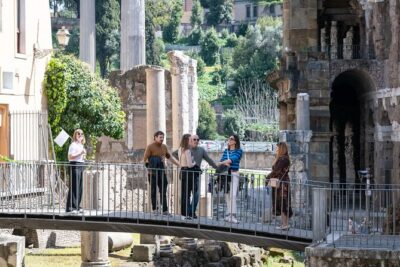
Trastevere & Campo de’ Fiori Street Food Tour, Eat Like a Local
Read our review →
Hidden Rome: Small Group E-Bike Tour with Street Food Stops
Read our review →Hidden Rome: Small Group E-Bike Tour with Street Food Stops
Read our review →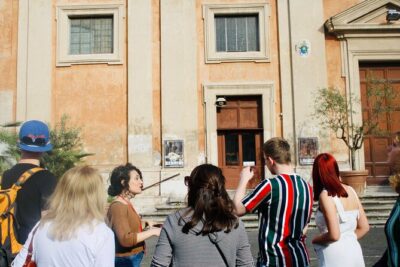
Browse the lists this tour appears in