
REVIEW · MALAYSIA STREET FOOD TOURS
Penang Island: Street Food Walking Tour
Penang’s best stories often arrive on a small plate. This 210-minute walk begins at Chowrasta Market, where Malay, Chinese, and Indian communities have traded since the 1890s, then follows George Town’s lanes through coffee shops, food stalls, murals, places of worship, and family-run kitchens.
I like two things right away: the small group of no more than nine, which makes a market visit easier, and the focus on food makers rather than just famous dishes. You get nutmeg pickles, durian dodol, asam laksa, local coffee, and Nyonya sweets, but you also learn who keeps making them.
The main consideration is pace and comfort. This is a walking tour in a hot city, with several food stops and no room for large bags. The information also says it is wheelchair accessible but not suitable for people with mobility impairments, so confirm your needs before booking.
Key points to know before booking
- Chowrasta Market since the 1890s: Begin where George Town’s food trade brought different communities together.
- Ngor Ka Sai coffee: Try Penang coffee mixed with Milo, a sweet local combination that sounds stranger than it tastes.
- A 50-year popiah tradition: Watch a family craft popiah skins by hand, a skill that may soon be harder to find.
- Moh Teng Pheow Nyonya Koay: Learn about Baba and Nyonya food culture while tasting cakes, dumplings, puddings, and pastries at this Michelin-listed cafe.
- George Town beyond food: Walk past Harmony Street, street art, iron-rod sculptures, and the town’s oldest fire station.
- Useful small-group format: The guide gauges your appetite, so the meal is not simply a race to collect the most samples.
Starting with George Town’s oldest market
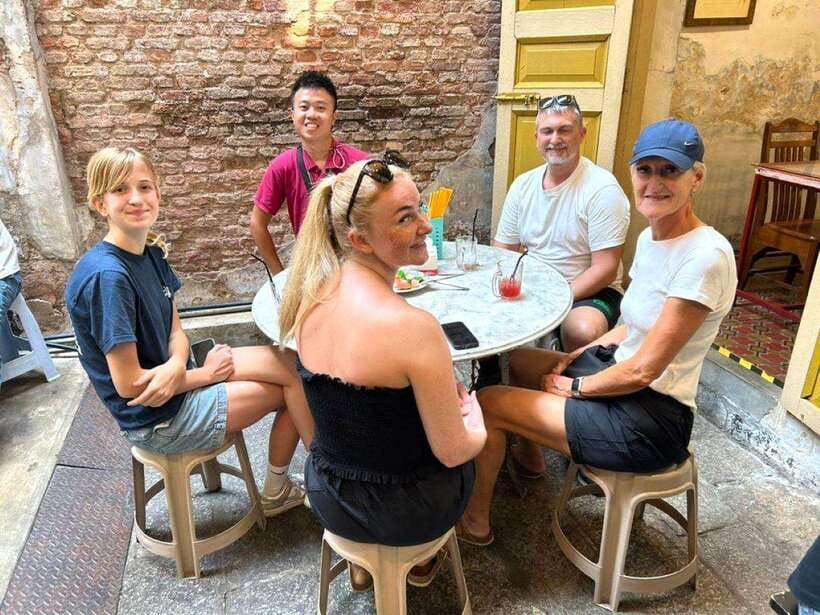
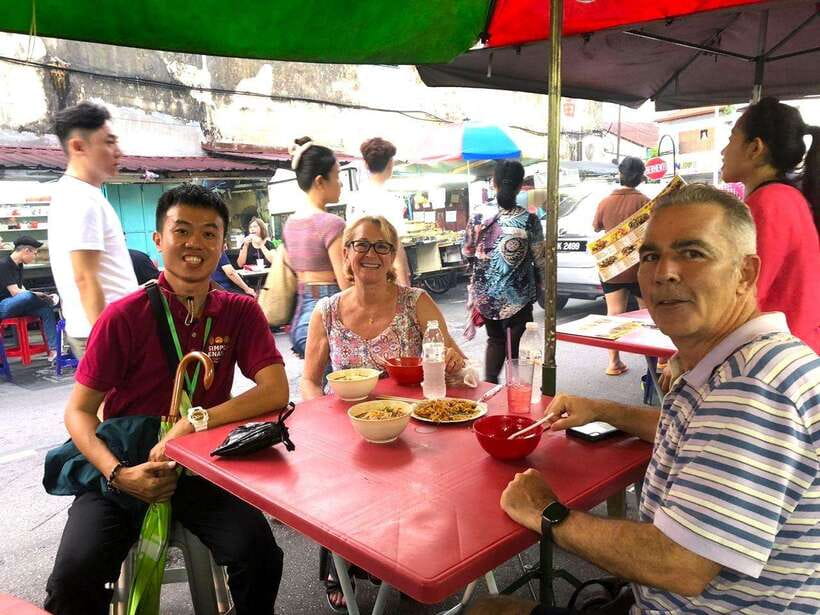
Meet your licensed English-speaking guide 15 minutes before the start at the stated meeting point. Look for a white polo shirt marked Simply Enak or a white batik shirt. The guide brings the local connections, but you should bring comfortable shoes, water, an umbrella, and light clothing.
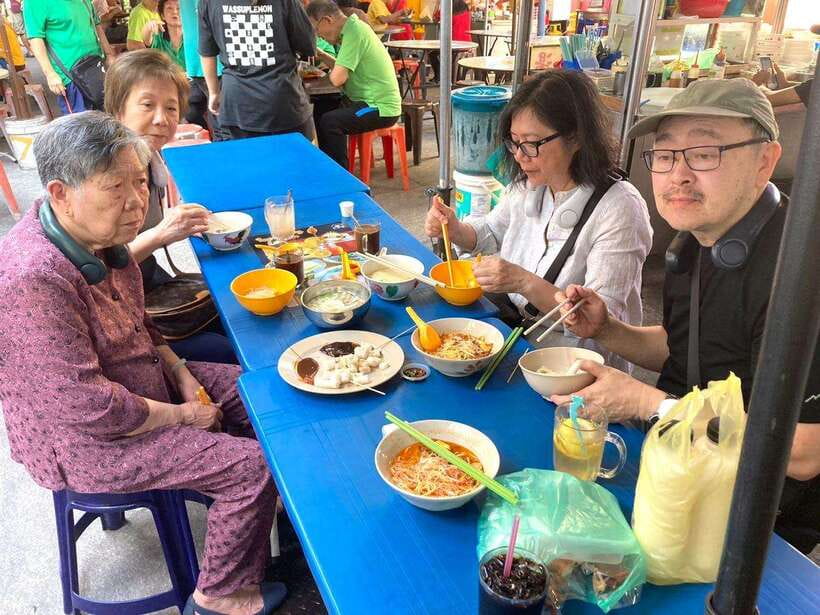
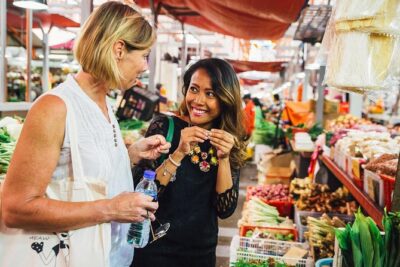
Chowrasta Market is a fitting first stop. Trade began here in the 1890s, and the market still gives you a quick lesson in how Penang food developed. Malay, Chinese, and Indian communities shaped the island’s cooking, and the market is a place where those food traditions sit close together.
You may hear Hokkien, Malay, and Tamil around the stalls. That detail matters because this is not a food walk built around one national cuisine. Penang’s cooking grew from contact between communities, old family businesses, imported ingredients, and local tastes.
The market can also be a challenging start if you dislike heat, tight spaces, or strong smells. You are not visiting a polished food hall. Wear shoes that can handle a few hours on foot, and leave your suitcase at your accommodation. Large bags are not allowed on the tour.
More street food tours in Malaysia:
- Kuala Lumpur: Sambal Street Food Tour with 15+ Tastings
★ 4.9 · 1,657 reviews - The 10 Tastings of Kuala Lumpur With Locals: Private Street Food Tour
★ 5.0 · 249 reviews - Kuala Lumpur Local Street Food Private Walking Tour by Night
★ 4.5 · 224 reviews
Penang coffee, pickles, and durian dodol
The opening tastings introduce you to local habits before the larger dishes arrive. Kopitiam culture is central to Penang life, and you will try Ngor Ka Sai, local coffee mixed with Milo.
It is an unusual pairing on paper. The coffee brings bitterness and the Milo adds a sweet malt note. I like this stop because it gives you something you might not order on your own. It also shows how a traditional coffee shop can be part of daily life, not just a place for visitors to photograph.
Next comes nutmeg jeruk, or Penang-style nutmeg pickle. The sharp, sweet, sour flavor wakes up the mouth and resets your appetite. Nutmeg is closely tied to Penang’s food identity, and this taste is quite different from the spice you might associate with baking.
Durian dodol offers another strong local flavor. Dodol is a sticky, sweet confection, and the durian version brings the king of fruits into a dense, chewy bite. This is a useful stop for anyone curious about durian but not ready to tackle a whole fresh fruit.
The texture may be as memorable as the flavor. If you strongly dislike sticky sweets or durian’s unmistakable aroma, this will be one of the tour’s more demanding tastings. You are not required to love every sample, though. The point is to understand the range of Penang food.
Watching popiah made by hand
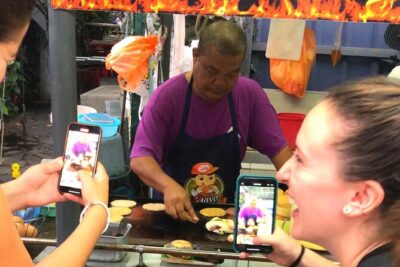
One of the most distinctive stops is the handmade popiah demonstration. A master whose family has made popiah skins for 50 years shows how the thin wrappers are produced.
That family connection gives the demonstration weight. You are not simply watching a cooking trick. You are seeing a food skill passed through generations, one that may become less common as modern production takes over.
Popiah is often described as a fresh spring roll, but the handmade wrapper changes the experience. The skin is delicate, and its preparation requires control and practice. The demonstration helps you notice the work behind a food that can look simple once it reaches your plate.
This is also where the small group helps. With no more than nine people, you have a better chance to see what is happening and ask questions without shouting across a crowded room. The guide’s long-running relationships with vendors are important here. The promise is not just access to a stop, but a connection with the people keeping it alive.
Asam laksa in George Town’s Heritage Zone
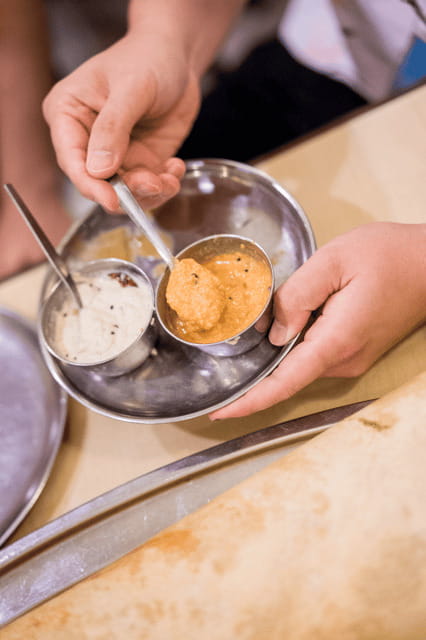
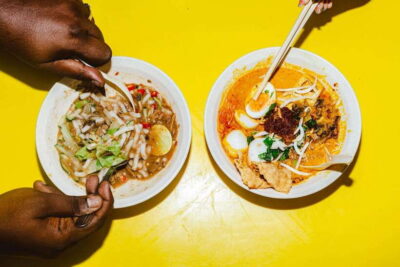
As the walk moves through George Town’s Heritage Zone, you taste Penang asam laksa. This is not the same as the version commonly found in Kuala Lumpur.
Penang’s version is known for the balance of sweet, sour, and savoury flavors. That combination can arrive all at once, which is why it is often such a useful dish for understanding the island’s cooking. It is not merely hot noodle soup. The sourness gives it lift, the sweetness rounds it out, and the savoury notes hold the bowl together.
The guide can explain what makes the Penang style different from KL’s version, helping you compare rather than simply eat. That context is one reason the $75 price is easier to justify than the cost of buying isolated snacks on your own.
Still, the value depends on how much you enjoy guided tasting. If you already know Penang’s food scene well, some stops may feel familiar. If this is your first visit, the route gives you a useful foundation and helps you avoid spending your limited time guessing which stalls are worth your attention.
Same city, another round of plates:
- Eat Like a Local: Kuala Lumpur Hawker Center and Street Food Tour by Night
★ 5.0 · 198 reviews - Kuala Lumpur: Local Street Food Night Tour
★ 4.5 · 162 reviews - Eat Like A Local: Penang Street Food Tour
★ 5.0 · 93 reviews - Kuala Lumpur: Nightlife Street Food Tour with 6 Tastings
★ 4.6 · 73 reviews
Moh Teng Pheow and the Nyonya kitchen
At Moh Teng Pheow Nyonya Koay, the tour shifts from market snacks to Peranakan Nyonya food culture. The cafe is Michelin-listed, and the stop focuses on the broad range of Nyonya kuey.
Kuey can include cakes, dumplings, puddings, and pastries. The variety matters because Nyonya cooking is not one single dish or flavor. It includes many small preparations, often made for particular occasions and family tables.
You will learn how Baba and Nyonya communities grew from Chinese-Malay fusion. Food is an especially clear way to understand that meeting of cultures. Ingredients, techniques, and cooking customs changed as communities lived alongside one another, producing dishes that belong to Penang in a way that is hard to separate into neat categories.
The recipes here are described as unchanged since 1933. That does not mean every bite will suit every palate. Some kuey may be sweet, sticky, soft, or unfamiliar in texture. But the stop is valuable because you can taste several forms of Nyonya food rather than receiving a quick explanation and moving on.
The guide also adjusts the amount of food to your appetite. That is a welcome detail on a three-and-a-half-hour food walk. You are likely to appreciate the variety more if you are not forced to eat large portions at every stop.
Harmony Street, murals, and George Town’s layers
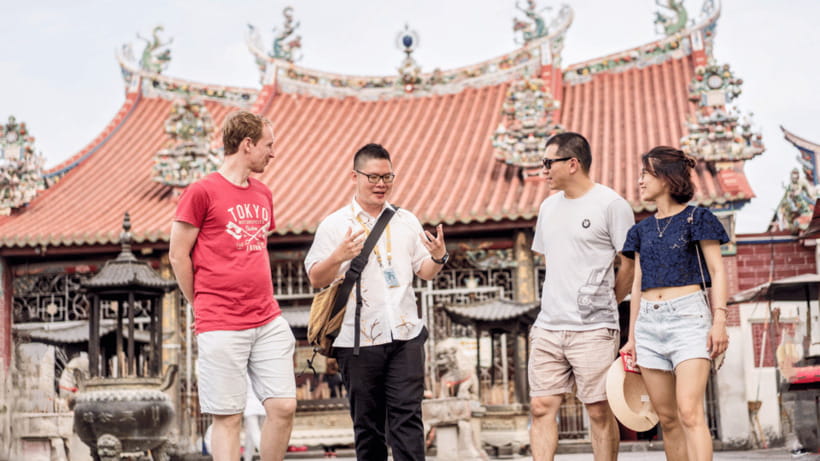
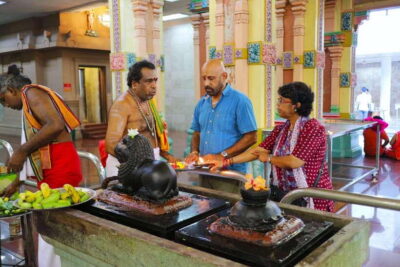
Food does not take up every minute. Between tastings, you walk through George Town and pass temples, mosques, and churches on Harmony Street.
This section gives the tour a wider purpose. Penang’s food culture did not develop in isolation. Different communities lived, worshipped, traded, and cooked close to one another. Seeing these buildings along one route makes that point more clearly than a lecture alone.
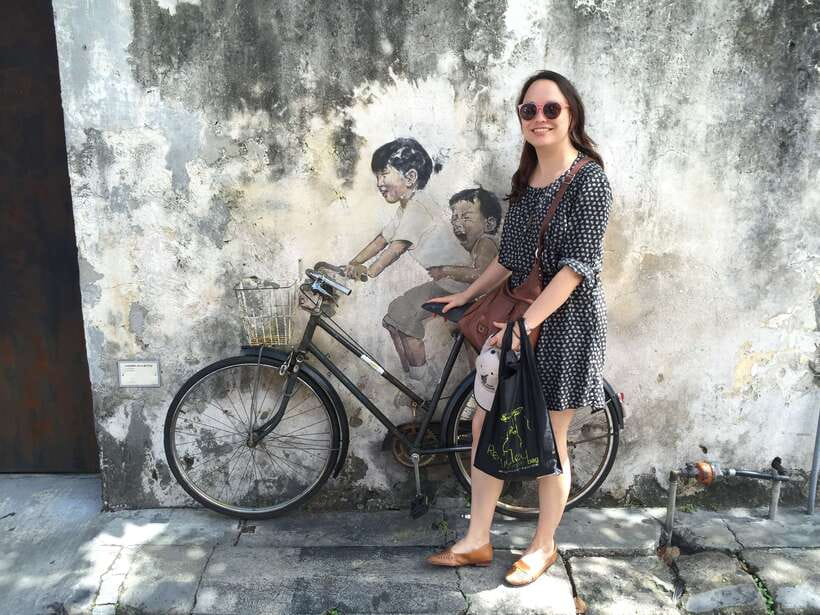
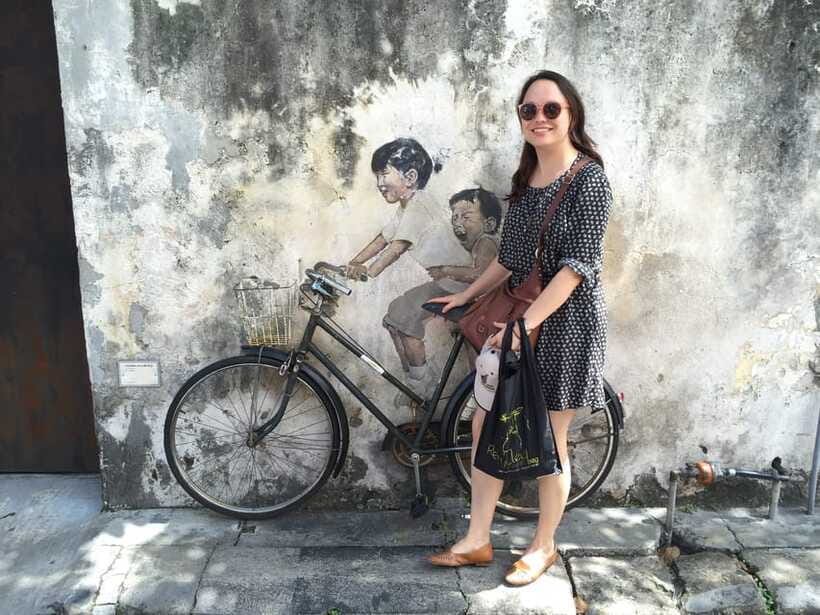
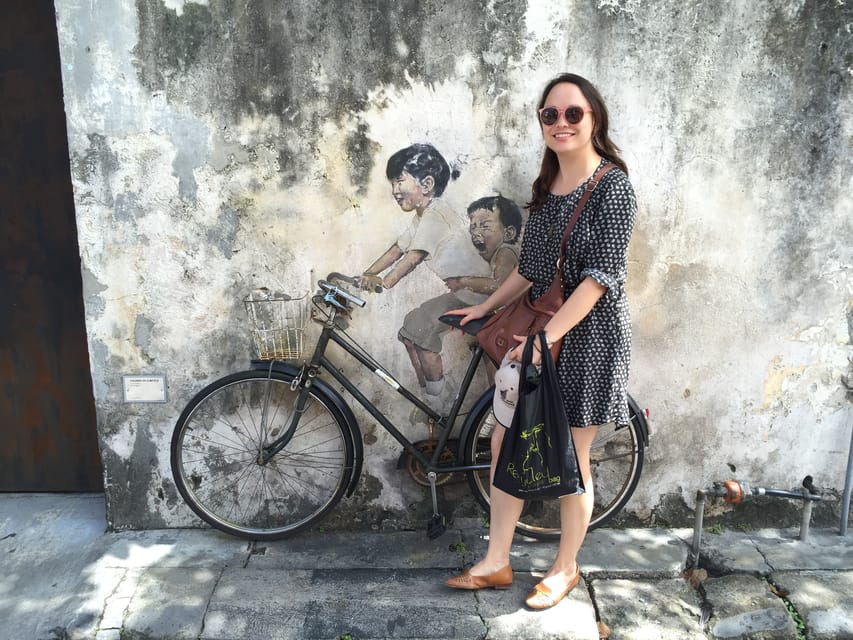
You will also pass Ernest Zacharevic’s well-known street art murals and iron-rod sculptures by local artists. These works add a modern layer to the old streets. They are not the main reason to book a food tour, but they make the walking route more rewarding and give you good landmarks between food stops.
The route also passes the oldest fire station in town. It is a small detail, but this kind of detail often helps you read George Town as a working city rather than a set of preserved facades.
Because the walk includes several cultural sights, it is not ideal if you want a seated meal with only a little walking. It is better suited to someone who enjoys moving through a district and learning as the scenery changes.
What $75 gets you
The price is $75 per person. That is not a bargain by hawker-center standards. You could buy individual dishes for much less if you already knew where to go and wanted only a full plate of food.
The comparison changes when you include the guide, the selected food and drinks, the market introduction, the popiah demonstration, the Nyonya cultural explanation, and the walking route through George Town. You are paying for access and interpretation as much as for the samples.
I see the strongest value in the family connections. Simply Enak says its guides have visited the vendors for many years, and that vendors recognise them. That can make a difference at small food businesses, where a guide can explain what is special about a dish and how it fits into local life.
The food is also selected rather than unlimited. That may disappoint anyone measuring value by the number of plates. For me, it is a sensible approach. Penang food is full of intense flavors, and a smaller amount at several stops lets you try more without wasting food.
The tour has a five-star rating from three verified bookings, including a German participant who praised the traditional cuisine, friendly guiding, range of George Town foods, and small group. That is a limited sample, so I would not treat it as proof that every departure will be identical. It does support the main appeal of the experience: a personal introduction to local dishes in a small group.
Timing, comfort, and practical limits
The activity lasts 210 minutes, or three and a half hours. Check the available starting time when booking, since the exact departure varies.
Arrive 15 minutes early. The guide wears either a white Simply Enak polo shirt or a white batik shirt, which should make the meeting easier. Transport to and from the meeting point is not included, so plan that part yourself.
Bring an umbrella even if the forecast looks reasonable. George Town can be hot, and sudden rain can make a walking route less pleasant. Breathable clothing and water are sensible choices, especially because the tour combines outdoor walking with food stops.
The tour is listed as wheelchair accessible, but the same information says it is not suitable for people with mobility impairments. That is an important conflict, not a detail to ignore. Ask the provider about the exact route, surfaces, seating, and access before paying if you use a wheelchair or have difficulty walking.
People with a cold should not join. That makes practical sense on a food tour involving close contact with vendors and a small group.
Free cancellation is available up to 24 hours before the activity for a full refund. You can also reserve and pay later, which helps if your George Town schedule is still changing.
Who will enjoy this Penang food walk
I would choose this tour for a first visit to Penang, especially if you want food and cultural context together. It gives you an early guide to local flavors, family businesses, Peranakan cooking, and the history of George Town’s communities.
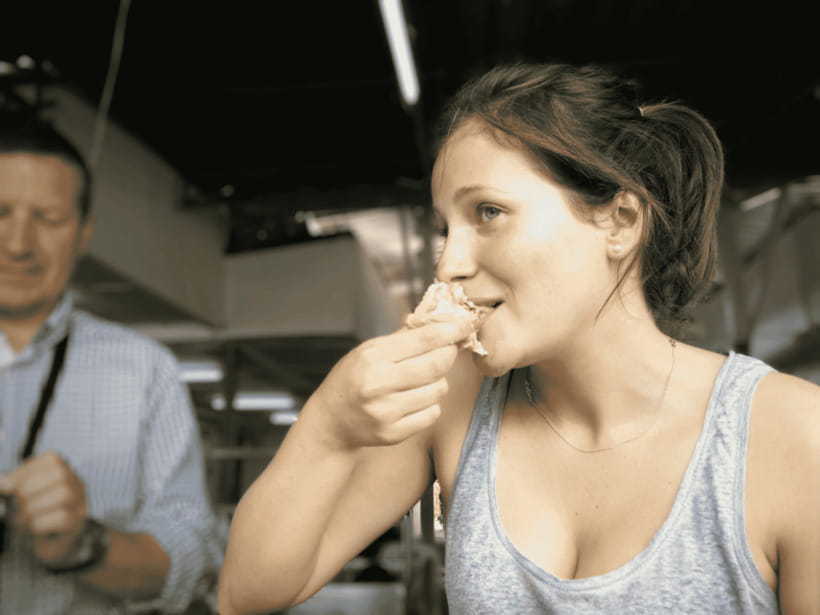
It also suits curious eaters who want to try unfamiliar tastes without committing to a full serving. Nutmeg jeruk, durian dodol, Ngor Ka Sai, and Nyonya kuey are not the usual international starting points, and the guide can help you understand them.
The small group is a strong fit for solo visitors, couples, and anyone who prefers questions and conversation over a large group with a flag. It is also useful for people who care about food traditions and want to see the hands behind the dish.
I would think twice if you want a heavy meal, dislike walking in warm weather, or prefer to choose every dish yourself. The route is designed around shared tastings, cultural stops, and family-run vendors. It is not a private restaurant crawl or an all-you-can-eat event.
Should you book this tour?
Book it if you want a friendly introduction to Penang food that goes beyond the standard list of famous dishes. The strongest reasons are the small group, the licensed local guide, the 50-year popiah demonstration, the Nyonya stop at Moh Teng Pheow, and the chance to taste distinctive items such as nutmeg pickle and durian dodol.
The $75 cost makes the most sense when you value the stories and introductions as much as the food. If you are already an expert on George Town’s stalls, you may prefer to spend that money eating independently.
For most first-time visitors, I would book this early in a Penang stay. You will learn what the island tastes like, see where its communities meet, and pick up ideas for the rest of your time in George Town.
FAQ
How long does the Penang street food walking tour last?
The tour lasts 210 minutes, or three and a half hours.
What food and drinks are included?
Selected food and drinks from family-run stalls are included. Tastings include Ngor Ka Sai coffee, nutmeg pickles, durian dodol, asam laksa, and Nyonya kuey.
Is the tour conducted in English?
Yes. The tour has a live English-speaking guide.
How large is the group?
The activity is limited to nine participants.
Where does the tour begin?
The tour begins at Chowrasta Market in George Town. You should arrive 15 minutes before the activity starts.
What should I bring?
Bring comfortable shoes, an umbrella, water, and breathable clothing. Large bags and luggage are not allowed.
Can I cancel or pay later?
You can cancel up to 24 hours in advance for a full refund. Reserve now and pay later is also available.
Newly added plates around Malaysia
- Eat Like A Local: Penang Street Food Tour★ 5.0 · 93 reviews
- Kuala Lumpur’s Nightlife Secrets and Street Food★ 5.0 · 18 reviews
- Yummy Yummy Street Food Tasting + Night City Tour(Private Guided)★ 5.0 · 8 reviews
- 3-Hour Private Street Food Walking Tour in Kuala Lumpur★ 4.5 · 6 reviews
- Authentic Malaysian Street Food Tour With 15+ Tastings Near KLCC★ 5.0 · 68 reviews
- Private Kuala Lumpur Night Market And Food Tour★ 5.0 · 13 reviews
- Private Tour : “Lepak-Lepak” at Local Night Market & Mamak Stall★ 4.5 · 4 reviews
- Back of the Bike Street Food Experience – Real Penang!★ 5.0 · 27 reviews
Malaysia Street Food Tours, compared.
The 10 Tastings of Kuala Lumpur With Locals: Private Street Food Tour
Read our review →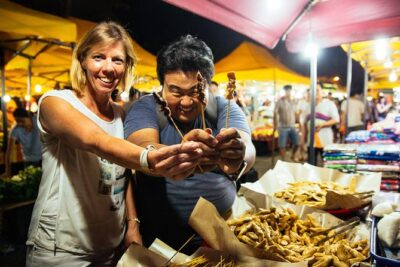
Kuala Lumpur Local Street Food Private Walking Tour by Night
Read our review →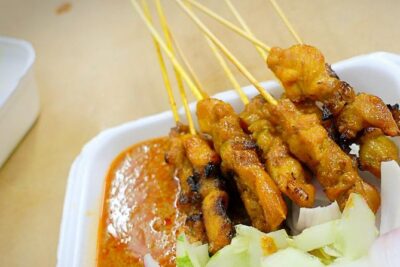
Eat Like a Local: Kuala Lumpur Hawker Center and Street Food Tour by Night
Read our review →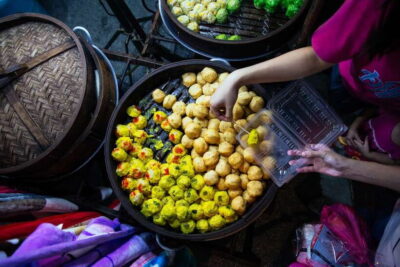
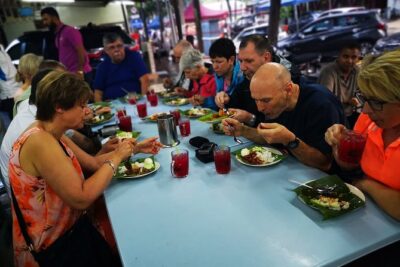
Authentic Malaysian Street Food Tour With 15+ Tastings Near KLCC
Read our review →Browse the lists this tour appears in