
REVIEW · DINING EXPERIENCES
Mombasa:Street food Experience
Mombasa’s food story is best told one small bite at a time. This Old Town street-food walk takes you from stall to stall for beef or chicken skewers, fresh sugarcane juice, Swahili coffee, tea, seafood, potatoes, and cassava crisps. Along the way, you learn how local people eat, cook, and live.
I like the short walking route, since the stops are close together and you can focus on the food rather than a tiring hike. I also like the human side of the experience: guides such as Joan and Nicole have shared cultural stories, local history, and easygoing conversation alongside the tastings.
The main consideration is the guide experience can vary. One booking received a serious complaint about dismissive answers, while the other available feedback was strongly positive. Come ready to ask questions, but remember that the advertised time may need checking, since the booking details list 150 minutes while part of the itinerary refers to three hours.
Key points at a glance
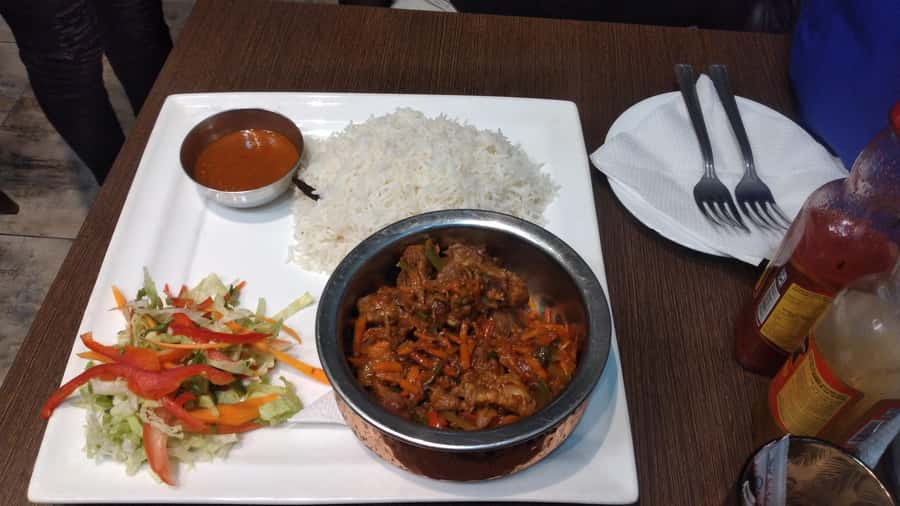
- Mshikaki and seafood lead the tasting: Expect beef or chicken skewers, plus octopus, prawns, or fish depending on the food selection.
- The route stays in Mombasa Old Town: You walk between nearby street-food areas rather than spending the day in a vehicle.
- Drinks are part of the meal: Fresh sugarcane juice, Swahili sweet coffee, and Swahili tea are included.
- You get stories with every sample: The guide explains preparation, local customs, culture, and everyday life.
- Dietary choices are possible: Vegetarian, vegan, and pescatarian options are available if you give advance notice.
- The $37 price covers all food and drinks: You pay separately only for getting to and from the starting point.
Why this Mombasa food walk works
This is not a sit-down restaurant meal with a fixed menu. It is a moving tasting session through Old Town, with food bought and eaten mainly on the street. That matters because you see the setting where people actually grab a snack, drink coffee, or pick up a quick meal.
The route is short, but the variety is wide. In roughly two and a half hours, you may move from grilled meat to fried potatoes, from sweet coffee to sugarcane juice, then on to seafood and cassava crisps. You are not simply checking off dishes. You are using food to understand the Coast.
I find that approach useful in Mombasa, where food reflects several cultural influences. The guide connects the dishes to local life instead of handing you a bare list of ingredients. You can also ask how something is prepared and try making it at home later.
The experience is a good fit if you want a first taste of Mombasa that feels social and informal. It is less suited to anyone who wants a quiet, polished restaurant meal or a detailed historical tour with long stops at monuments.
More sit-down meals around the world:
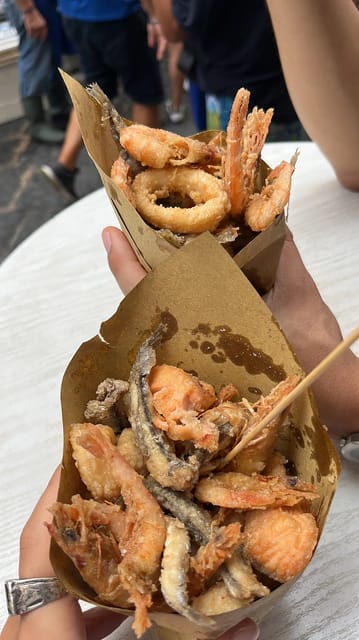
- Naples: Street Food Experience With 6 Stops
★ 4.7 · 392 reviews - Siem Reap: Street Food Experience by Tuk-Tuk
★ 4.9 · 310 reviews - Saigon at Sunset: Ultimate Street Food Experience
★ 4.7 · 153 reviews
Starting at Treasury Square Roundabout
The meeting point is Treasury Square Roundabout. From there, the group begins with a brief walk and a safety explanation lasting about five minutes.
That opening is practical. Street food is often served in busy public areas, so knowing how the walk will work helps you settle in before the first tasting. The group then continues through Old Town, moving from one nearby area to another.
You should wear comfortable shoes and arrive hungry, but not so hungry that you feel unwell. The experience includes several samples, and the advice to avoid eating a large meal beforehand is sensible. You will get more from the tour if you have room to taste rather than forcing down every bite.
No drop-off is included, so you need to arrange your own way onward after the walk. The finish is in Mombasa, but the provided details do not name a separate ending point.
Mshikaki, the first proper bite
Mshikaki is listed as beef or chicken skewers. This is the kind of food that gives the walk an immediate sense of place: simple, portable, and made for eating as you move.
The guide can explain how the meat is prepared and what makes the local version different from a standard grilled skewer. Pay attention to texture, seasoning, and the way it is served. The value here is not only the portion itself. You get the chance to connect a familiar format, the kebab or skewer, with Swahili coastal cooking.
Because the menu depends partly on taste and capacity, you may not receive exactly the same balance of dishes as another person. That is useful if you have a small appetite or strong preferences, but you should tell the guide early if there are foods you cannot eat.
Sugarcane juice, coffee, and tea
The drink stops add a different rhythm to the walk. Fresh sugarcane juice, listed as juice ya miwa, offers a sweet, refreshing contrast to the savory food.
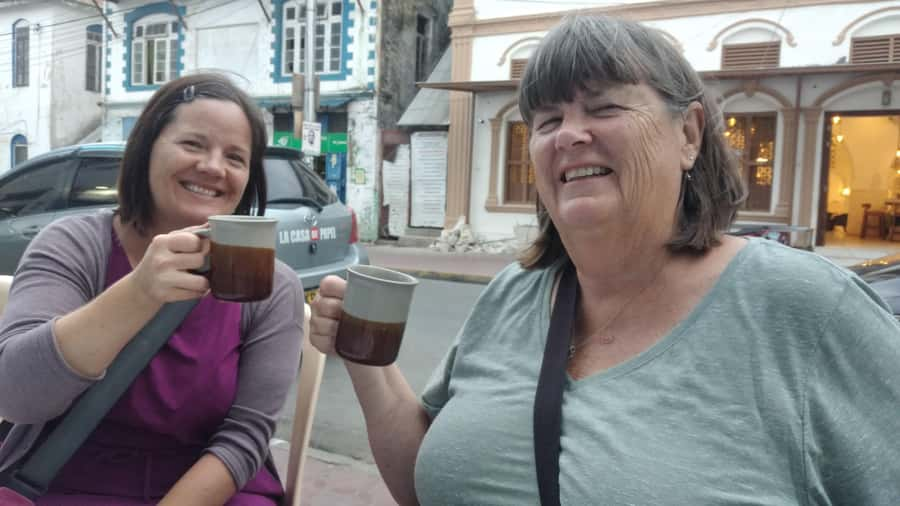
You also sample kahawa, a sweet Swahili coffee, along with Swahili tea. These are not filler drinks. They give you a way to talk about everyday hospitality and the role of hot drinks in local social life.
I especially like having both coffee and tea included because they show two different sides of the tasting. The sugarcane juice is fresh and cooling, while the coffee and tea slow things down. If you are sensitive to caffeine or sugar, ask what is being served before taking a full portion. The information provided does not specify decaffeinated or low-sugar alternatives.
More street food tours in the world:
- Dubai: Old Town, Creek, Museums, Souks, & Street Food Tour
★ 4.8 · 10,816 reviews - Ho Chi Minh City Street Food Tour & Sightseeing By Motorbike
★ 5.0 · 9,413 reviews - Medellin: Comuna 13 Graffiti Tour, Cable Car & Street Food
★ 4.8 · 9,046 reviews - Dubai: Old Town, Souks, Street Food, Guided Tour & Abra Ride
★ 4.9 · 7,170 reviews
Potatoes, bhajia, and cassava crisps
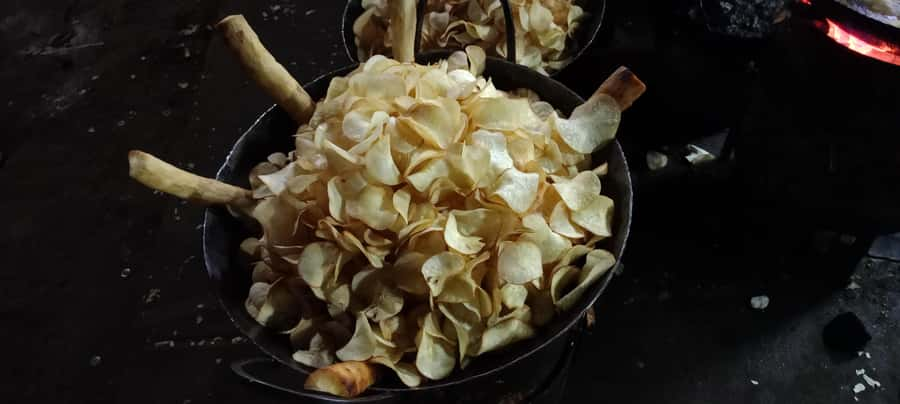
The fried items bring familiar comfort food into the mix. Viazi karai and bhajia are potato-based snacks, while kachiri are cassava chips or crisps.
These samples help you compare how different ingredients are treated. Potatoes become a seasoned fried snack, while cassava is sliced or prepared for a crisp texture. The guide explains the preparation, so you can pay attention to the process rather than simply eating quickly.
This is also where the tour can be especially useful for home cooks. The promise is not a formal cooking class, but the guide can explain enough about preparation for you to try a version after returning home. Ask about seasoning and cooking steps while the food is in front of you.
Fried food can be filling, so pace yourself. Since the tasting includes meat, seafood, drinks, and several snacks, small portions are your friend. You do not need to treat each stop as a full meal.
Seafood from the Coast
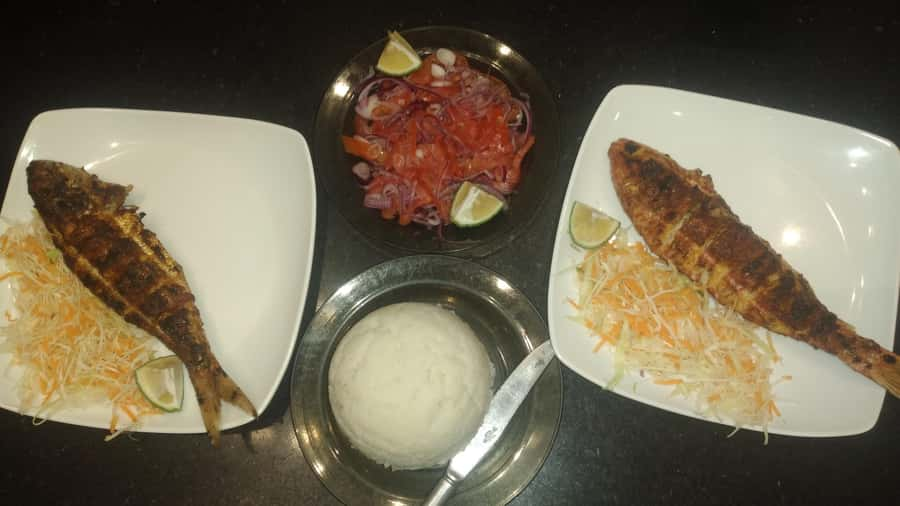
Seafood is one of the major draws. The possible samples include octopus, prawns, and fish, giving the experience a clear coastal character.
The exact seafood selection is not fixed in the details provided, so you should ask the guide what is available that day. This is important if you have a shellfish allergy or simply prefer one type of seafood. Allergies should be shared in advance so the guide can plan suitable samples.
If you eat seafood, this part may be the most distinctive section of the walk. It shifts the menu away from snacks you could find in many places and toward ingredients associated with Mombasa’s coastal setting.
If you do not eat seafood, you are not left out. Vegetarian, vegan, and pescatarian options are available, and the guide can work out samples based on your diet. Give clear information before arriving rather than waiting until the group reaches a food stall.
Stories about Old Town and daily life
The food is only half the point. As you walk, the guide talks about local people, culture, history, and daily routines.
This is where guides Joan and Nicole have made a strong impression. Joan has been described as relaxed, easy to talk to, and good at explaining cultural details while walking. Nicole has also led the food route, with an approach that feels conversational rather than formal.
That style suits a street-food tour. You are likely to get more from a guide who can explain a dish in plain language and respond to your questions than from someone who simply recites a menu.
Still, I would keep expectations realistic. The tour is designed around food and short walks, not a full architectural or historical survey of Mombasa Old Town. You may hear useful background as you move, but the main subject remains food and local life.
Most feedback on the guiding has been very positive, including praise for the cultural information, good food choices, and relaxed conversation. One serious complaint described a guide as making the person uncomfortable and dismissing questions. That is not a reason to reject the experience outright, but it is fair to note that the tone may depend on who leads your group.
What $37 includes
At $37 per person, the price includes all the listed food and drinks. That makes the value fairly easy to judge: you are paying for a series of tastings, a local guide, and the time spent walking between stops.
You are not paying for transport or drop-off. If you already plan to be in Mombasa Old Town, this keeps the arrangement simple. If you are staying farther away, add your own transport cost when comparing the total price with a hotel meal or a private food outing.
The price works best for someone who wants variety. Buying every item independently could be cheaper in some cases, but you would lose the guide’s explanations, the planned route, and the chance to sample several foods without working out where to go.
The strongest value comes from the combination of food and context. A skewer alone is not a $37 experience. A guided walk that helps you understand the coffee, snacks, seafood, and customs behind the food is a more useful comparison.
Timing, pace, and comfort
The stated duration is 150 minutes, or two and a half hours. The route is described as a short-distance walk within Old Town, so you should not expect a long trek.
The itinerary wording also refers to a three-hour food and walking section. Because those figures do not match exactly, check the available start times and expected finish when booking. The actual pace may also depend on how long the group spends talking and eating.
The walk should suit most people who are comfortable moving around Old Town for a couple of hours. You will be standing, walking, and eating at several points, so this is not the right pick if you need a seated experience throughout.
The guide speaks English and Swahili. That makes the tour practical for English-speaking visitors, while also keeping a direct link to the local language and setting.
Who should book this experience
I would choose this tour if you want to understand Mombasa through ordinary food rather than a restaurant menu. It is particularly useful early in a stay, since the guide can introduce dishes you might later recognize and order yourself.
It also suits curious eaters who enjoy trying several small portions. The range is broad enough to keep the walk interesting, from meat and seafood to potatoes, cassava, juice, coffee, and tea.
Families and groups with different diets may find the flexibility helpful, since vegetarian, vegan, and pescatarian options are available. Still, everyone should mention allergies or dietary restrictions ahead of time.
You may want another kind of experience if you dislike eating outdoors, need exact control over ingredients, or prefer a set menu. The street setting is part of the appeal, but it also means the atmosphere is less controlled than in a restaurant.
Should you book the Mombasa street-food experience?
Book it if you want a compact, food-led introduction to Old Town, with all tastings included and a guide who can connect each bite to local culture. The strongest reasons are the variety, the short walking route, the seafood and Swahili drinks, and the chance to learn preparation methods.
Before booking, send your dietary needs in advance and confirm the timing because the published duration is not fully consistent. If you are comfortable with street food and a guide-led social walk, $37 is a reasonable price for the number of samples and the cultural explanation included.
I would skip it only if you want a formal culinary class, a guaranteed fixed menu, or a quiet sit-down meal. For everyone else, this is a practical way to get beyond standard sightseeing and taste a working side of Mombasa.
FAQ
Where does the Mombasa street-food experience start?
It starts at Treasury Square Roundabout in Mombasa.
How long does the experience last?
The activity is listed as 150 minutes. The itinerary also refers to a three-hour food and walking section, so confirm the exact timing when you book.
What food and drinks are included?
Possible tastings include beef or chicken mshikaki, fresh sugarcane juice, Swahili sweet coffee, Swahili tea, viazi karai or bhajia, octopus, prawns, fish, and cassava chips or crisps.
Are food and drinks included in the price?
Yes. All food and drinks are included in the $37 per-person price.
Are vegetarian, vegan, and pescatarian options available?
Yes. Vegetarian, vegan, and pescatarian options are available. Tell the guide about your dietary needs or allergies in advance.
What languages does the guide speak?
The live guide speaks English and Swahili.
Is transport or drop-off included?
No. Drop-off is not included, so you need to arrange your own onward transport after the experience.
Newly added plates around the world
- Zanzibar:Stone town Street food market walking tour,transfer★ 4.5 · 9 reviews
- Zanzibar: Stone town visit, Shopping tour &Night food Market★ 4.4 · 2 reviews
- Xi’an Muslim Quarter Night Market Foodie Walking Tour★ 4.2 · 22 reviews
- Xi’an: Gourmet & Street Food Tour★ 4.8 · 22 reviews
- Zanzibar: Stone town tour, Prison island & night food market★ 4.5 · 2 reviews
- Verona: Street Food and History Tour with Local Guide★ 4.7 · 6 reviews
- Vienna Food Tour: Dishes, Wine, Street Food & Culture★ 4.7 · 12 reviews
- Verona: City Highlights & Street Food Walking Tour★ 5.0 · 3 reviews
Dining Experiences, compared.

Saigon at Sunset: Ultimate Street Food Experience
Read our review →
Sorrento: Guided Walking Tour & Street Food Experience
Read our review →
Bangkok Food Tour by Tuk Tuk – Hotel-pickup & Dinner
Read our review →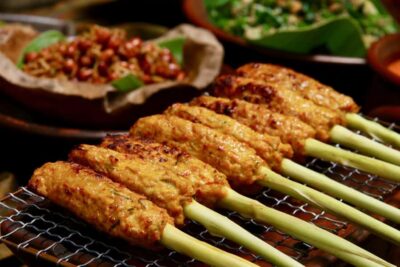
Naples Street Food Experience with local guide – Small Group Tour
Read our review →Browse the lists this tour appears in