
REVIEW · TOURS
Valletta: Street Food Walking Tour with a Local
Valletta is compact, but its food tells a much bigger story. This three-hour walk links the city’s streets with the pastries, breads, cheeses, olives, and sweets people have eaten here for generations. You begin at the Upper Barrakka fountain and finish in Valletta, with at least four tasting stops along the way.
I like the small group limit of 12, which gives a guide room to answer questions and keep the walk personal. I also like the mix of food and place: you are not simply sitting down for one long meal, but moving through historic eateries, famous shops, and newer restaurants while learning how the dishes fit into Maltese life.
The main consideration is that food is not always the sole focus. One recent account found the history especially strong and the food less central, so book this for a blend of city stories and tastings, not as a nonstop feast.
Key points at a glance
- Four or more tasting stops: Food is spread through the walk rather than served at one table.
- Classic Maltese bites: Expect pastizzi, bigilla, gbejna, olives, sun-dried tomatoes, ftira, ravjul, and imqaret, though seasonal changes are possible.
- Guides with strong local knowledge: Tony, Toni, and Stephen have led recent tours, with clear English and plenty of background on Valletta and Malta.
- A real lunch-sized outing: At least one serving is included at every stop, with some recent portions described as generous.
- Easy central meeting point: Meet in front of the fountain at Upper Barrakka and finish in Valletta.
- Small, social format: The tour needs at least two people and accepts no more than 12.
Starting at the Upper Barrakka fountain
The meeting point is in front of the fountain at Upper Barrakka. That is a useful starting place because it puts you right in Valletta rather than sending you out to a hotel or requiring a separate transfer.
Bring comfortable shoes. Valletta’s streets are compact, but a food walk still means being on your feet for three hours. Leave large bags and luggage behind, since they are not allowed on the tour. Assistance dogs are allowed, but other pets are not.
The tour runs in English with a live guide. Recent guides have included Tony, also written as Toni in one account, and Stephen. Tony received especially warm praise for his clear English and strong grasp of both Maltese history and language. Stephen was also described as a very good guide, with a strong command of Malta’s past.
Your exact guide and food route can vary. The company needs at least two people to operate the tour and allows no more than 12, so a small booking could be rescheduled if the minimum is not reached. That is worth checking before you build a tight sightseeing schedule around it.
More street food tours in the world:
- Dubai: Old Town, Creek, Museums, Souks, & Street Food Tour
★ 4.8 · 10,816 reviews - Ho Chi Minh City Street Food Tour & Sightseeing By Motorbike
★ 5.0 · 9,413 reviews - Medellin: Comuna 13 Graffiti Tour, Cable Car & Street Food
★ 4.8 · 9,046 reviews
Pastizzi, the pastry that gets Malta right
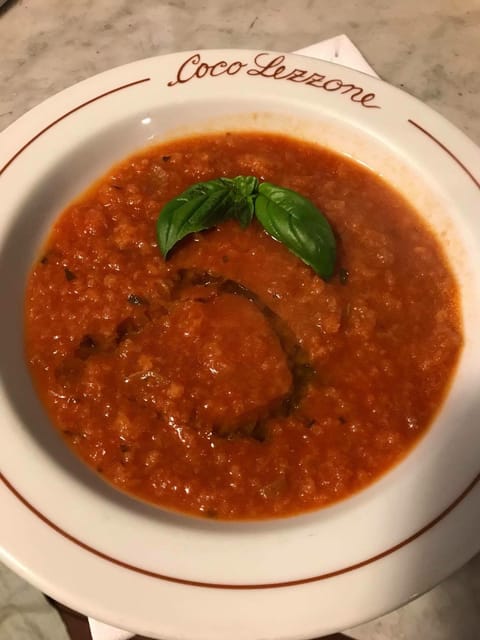
Pastizzi is likely to be your first lesson in everyday Maltese food. These flaky pastries are filled with either ricotta-style cheese or a savory pea mixture, and they are among Malta’s most familiar quick bites.
They are simple, inexpensive, and very local in spirit. You do not need a formal restaurant to enjoy them, which makes them a good opening taste for a walk through Valletta. The crisp pastry also gives the tour an immediate hands-on quality: this is food made for eating, not admiring.
At this stop, your guide can connect the pastry to ordinary Maltese eating habits and explain the local names and ingredients. The setting matters as much as the bite. A historic eatery or well-known shop gives you a better sense of how these foods fit into daily life than a carefully staged tasting room would.
If you are ordering your own food after the tour, remember that pastizzi are filling despite their modest size. Since at least one serving is included at each stop, pace yourself early. You have several more foods ahead.
The Maltese platter: small foods with a lot to explain
The shared platter brings together gbejna, olives, sun-dried tomatoes, and bigilla. It is a useful pause in the route because it lets you taste several ingredients side by side rather than focusing on one pastry or dish.
Gbejna is a small Maltese cheese, while bigilla is a thick spread made from beans. Together with olives and tomatoes, they show the island’s Mediterranean pantry in a direct, unfussy way. You can compare salty, creamy, earthy, and sweet-savory flavors in one sitting.
This is also a social part of the tour. A platter is meant to be shared, and the format works well for couples, families, or a small group meeting for the first time. One family described the outing as a particularly enjoyable experience, and this kind of shared stop helps explain why.
The amount served can vary. The tour promises at least one food serving at each stop, and one recent account described the portions as generous. Still, I would not treat the platter as a full meal by itself. It is one part of a three-hour sequence.
Ftira and the taste of Maltese bread
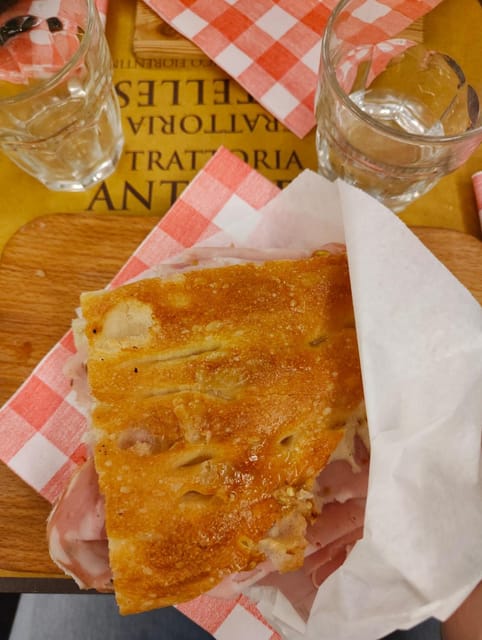
At the lunch portion, you can expect ftira, Malta’s traditional flatbread. The description emphasizes oil and Mediterranean flavors, so this is a bread stop with a hearty, savory profile rather than a delicate tasting.
Ftira matters because bread often tells you how a place eats. It can carry simple ingredients, turn into a shared lunch, and make use of flavors already present in the local pantry. Here, it gives the tour a more substantial middle course after the lighter opening bites.
The lunch timing also makes the tour easier to fit into a sightseeing day. You begin at Upper Barrakka, walk through Valletta, and finish within the city after three hours. You are not spending the entire afternoon at a single restaurant, so you can still continue exploring once the tour ends.
The route and menu are not fixed in every detail. Seasonal availability may change the tastings, so treat ftira as an expected example rather than an absolute guarantee. The same applies to the other dishes listed in the food plan.
Same city, another round of plates:
- Dubai: Old Town, Souks, Street Food, Guided Tour & Abra Ride
★ 4.9 · 7,170 reviews - Naples: Street Food Walking Tour with Local Guide
★ 4.9 · 4,976 reviews - Small Group Hanoi Street Food Tour with a Real Foodie
★ 5.0 · 4,682 reviews - Rome: Street Food Tour with Local Guide
★ 4.8 · 4,077 reviews
Ravjul, Malta’s dumpling course
Ravjul is presented as Malta’s own version of dumplings. It gives the walk a warmer, more comforting course and adds variety after the pastry, platter, and flatbread.
The listing describes ravjul as part of the dinner-style food selection, while the overall itinerary is marked as lunch. That wording suggests the meal timing can depend on the departure slot. Check the available start times when booking so you know whether the tour will feel like lunch or an early evening food walk.
This stop is valuable for anyone who wants more than snack food. Pastizzi and imqaret are easy to remember, but a dumpling dish shows another side of Maltese cooking. It gives your guide a chance to discuss recipes and the way food reflects Malta’s history and culture.
One point of balance: the tour is designed around tasting several foods, not necessarily receiving a complete restaurant meal at every stop. You receive at least one serving at each stop, but additional food and drink are not included.
Imqaret for the final sweet note
Imqaret are deep-fried date pastries and a familiar sweet at Maltese celebrations. They close the food sequence with a dessert that is richer and more festive than the opening pastizzi.
The date filling gives the pastry a warm, dense center, while frying adds a crisp outside. It is a fitting final taste because it feels tied to occasions and local tradition, not simply a generic dessert selected for tourists.
By this point, the guide’s stories should help connect the dishes. The strongest part of this tour is the way food acts as a reason to move through Valletta and talk about the people, customs, and places behind each recipe. The food is the hook, but the setting and explanation give it meaning.
If you have a strong sweet tooth, imqaret may be the highlight. If you prefer savory dishes, the platter, ftira, or ravjul will likely matter more. Seasonal substitutions are possible, so keep a little flexibility in your expectations.
What the guide adds to the three-hour route
A good food walk needs more than a list of dishes. It needs someone who can explain why you are eating them in this place and at this point in the route.
That is where the guides have made the biggest impression. Tony was praised for clear English and a strong command of Maltese history. Another recent account described the guide as friendly and easy to understand, with direct contact with everyone in the group. That last point matters if English is not your first language.
Stephen was also praised for his knowledge of Malta’s past. The route includes important Valletta sights as well as food stops, so you should expect historical context woven into the walk rather than a purely culinary presentation.
One person found the tour more focused on history than food. I see that as a useful warning, not a flaw for everyone. If you want a guide who explains the city while you eat, this balance should suit you. If you want a food-first tour with long tastings and detailed cooking instruction, you may find the sightseeing and storytelling take up more space than expected.
Is $58 a fair price?
At $58 per person, the value depends on how you use the tour. The fee includes a guide, at least four food stops, one alcoholic drink, and water. It does not include extra food or drinks, hotel pickup, or drop-off.
For a visitor who wants to sample several Maltese specialties without researching individual shops, the price is reasonable. You are paying for the food, but also for the route, explanations, and convenience of having the stops arranged. A first visit to Valletta can be more rewarding when someone provides context instead of leaving you to guess what to order.
The value is stronger if the portions are as generous as one recent account described. Four or more stops can add up to a substantial lunch, especially with pastizzi, a platter, ftira, ravjul, and a sweet. Still, do not assume the price covers every drink or a full serving of every dish listed. The tour promises at least one serving at each stop, not unlimited tasting.
The included alcoholic drink is a small but useful extra. Water is included too, which helps during a three-hour walk. If you want additional drinks, plan to pay for them separately.
Who should book this Valletta food walk?
I would recommend it to first-time visitors who want a quick introduction to Maltese food and city history at the same time. It also suits people who enjoy eating in several places rather than sitting through one long lunch.
The small maximum group of 12 works well for couples, families, and solo visitors who like a more personal guide. Children under five can take the tour free, though the food and walking format may be more appealing to older children who can manage a three-hour outing.
It is a good choice if you want to hear clear English and ask questions along the way. The guides have been praised for speaking clearly and engaging directly with participants.
Think twice if you need a highly fixed menu. Seasonal changes can affect the tastings. You should also reconsider if you want a dedicated food lesson with little sightseeing, since the tour gives substantial attention to Valletta’s stories and historic places.
Practical details that affect your day
The tour lasts three hours and finishes in Valletta. There is no hotel pickup or drop-off, so arrange your own way to Upper Barrakka and allow enough time to find the fountain.
You can cancel up to 24 hours in advance for a full refund, and the reserve-now, pay-later option lets you keep your plans flexible. Starting times depend on availability, so check the schedule before booking.
Wear comfortable shoes and avoid bringing luggage or a large bag. You will be walking between stops and eating along the way, so a light day bag is more practical than a suitcase.
The tour is conducted in English. If you understand English but do not speak it with ease, the clear style praised in recent accounts should help, though the amount of historical detail may require concentration.
Should you book it?
Book this tour if you want a friendly introduction to Valletta through food, stories, and short walks. The strongest reasons are the range of Maltese specialties, the small group size, and guides such as Tony, Toni, and Stephen who can explain both the dishes and the city.
At $58, it offers fair value when you count four or more food stops, water, an alcoholic drink, and local guidance. Just keep your expectations precise: this is not only a food crawl, and the menu can change with the season.
If your ideal afternoon is a mix of pastizzi, bigilla, ftira, ravjul, imqaret, and Maltese history, it is a sensible first-day choice. If you want food to take up every minute, choose something more focused on dining.
FAQ
Where does the Valletta food tour begin?
The meeting point is in front of the fountain at Upper Barrakka.
Where does the tour finish?
The tour finishes in Valletta.
How long does the tour last?
It lasts three hours.
What language is the tour conducted in?
The live tour guide conducts the tour in English.
How many people can join the tour?
The tour requires at least two people to operate and has a maximum of 12 participants.
What food is included?
Food can include pastizzi, a Maltese platter with gbejna, olives, sun-dried tomatoes, and bigilla, ftira, ravjul, and imqaret. Tastings may vary by season, and at least one serving is included at each stop.
Are drinks included?
Water and one alcoholic drink are included. Additional food and drinks are not included.
Can children join the tour?
Children under five years old can take the tour for free.
What should I bring?
Bring comfortable shoes. Luggage and large bags are not allowed, and pets are not permitted except for assistance dogs.
Newly added plates around the world
- Zanzibar:Stone town Street food market walking tour,transfer★ 4.5 · 9 reviews
- Zanzibar: Stone town visit, Shopping tour &Night food Market★ 4.4 · 2 reviews
- Xi’an Muslim Quarter Night Market Foodie Walking Tour★ 4.2 · 22 reviews
- Xi’an: Gourmet & Street Food Tour★ 4.8 · 22 reviews
- Zanzibar: Stone town tour, Prison island & night food market★ 4.5 · 2 reviews
- Verona: Street Food and History Tour with Local Guide★ 4.7 · 6 reviews
- Vienna Food Tour: Dishes, Wine, Street Food & Culture★ 4.7 · 12 reviews
- Verona: City Highlights & Street Food Walking Tour★ 5.0 · 3 reviews
Tours, compared.
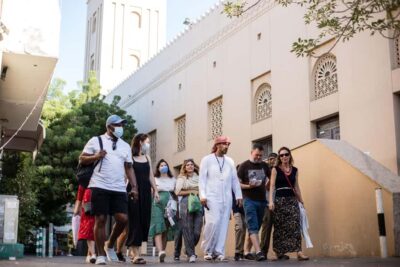
Old Town, Creek, Museums, Souks, & Street Food Tour
Read our review →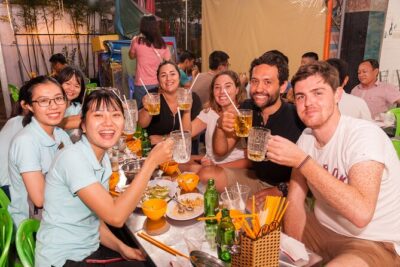
Ho Chi Minh City Street Food Tour & Sightseeing By Motorbike
Read our review →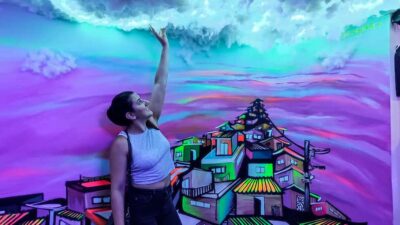
Comuna 13 Graffiti Tour, Cable Car & Street Food
Read our review →
Old Town, Souks, Street Food, Guided Tour & Abra Ride
Read our review →
Small Group Hanoi Street Food Tour with a Real Foodie
Read our review →
Private Street Food Tour by Motorbike/Car with Local Students
Read our review →