
REVIEW · ROME STREET FOOD TOURS
Trastevere & Campo de’ Fiori Street Food Tour, Eat Like a Local
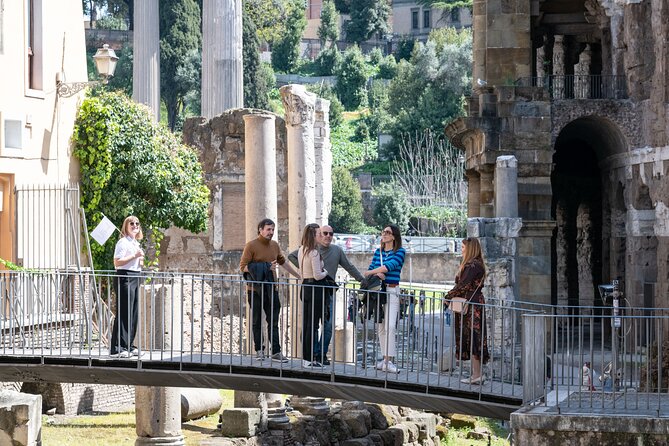
Rome makes more sense when you eat it one small bite at a time. This 2½-hour walking tour links Campo de’ Fiori and Trastevere, with stops for Roman street food, market tastes, pizza, porchetta, maritozzo, and gelato along the way.
I like the small-group format, capped at 14 people, and the way the route mixes food with streets, bridges, fountains, and church squares. I also like the practical advice built into the experience. Guides such as Daniel, Daniele, Leonardo, Emilia, and Alex have helped visitors find restaurants worth trying after the tour ends.
The main consideration is that this is a tasting walk, not a long sit-down meal or a serious cooking seminar. One disappointing experience found only a few small portions and limited explanation, so your enjoyment may depend on the guide and the exact stops that day.
Key points to know before booking
- Roman foods you may sample: Tastings can include supplì, Roman-style pizza, porchetta, maritozzo, market condiments, limoncello samples, and gelato.
- Two characterful neighborhoods: The route moves from Campo de’ Fiori across Ponte Sisto and into Trastevere, giving you food, views, and old streets in one outing.
- A compact group: The maximum is 14 people, which allows more room for questions and personal attention than a large bus-style tour.
- Useful restaurant advice: Several guides, including Leonardo, Alex, Daniel, and Fiametta, are praised for sharing places to eat later in your stay.
- A walking-first experience: Wear comfortable shoes. You cover city streets, alleys, a bridge, and market areas rather than sitting in one place.
- A dietary limit: The tour cannot accommodate people with celiac disease.
Why this route works for a first taste of Rome

At $53.23 per person, this tour sits in the reasonable middle range for a food walk in central Rome. You are paying not only for food, but also for a guide, a route between two popular districts, and the chance to ask questions while you eat.
The value depends on how you use it. If you want a full restaurant meal, the portions may feel modest. If you want a practical introduction to Roman food and a list of places to try later, the price makes more sense.
I especially like the timing early in a Rome visit. You can pick up restaurant suggestions before you spend several evenings guessing where to eat. One visitor enjoyed a Roman pizza stop so much that they returned later and even ran into their guide leading another group.
The tour is offered in English and uses a mobile ticket. It is also available near public transportation, though the route itself is traveled on foot. The meeting point is at the fountain in Piazza di San Simeone, and the walk ends at Piazza di San Giovanni della Malva in Trastevere.
More street food tours in Rome:
- Rome: Street Food Tour with Local Guide
★ 4.8 · 4,077 reviews - Rome: Trastevere & Campo de Fiori Street Food Walking Tour
★ 4.9 · 2,768 reviews - Rome Street Food Tour with Local Guide
★ 5.0 · 2,361 reviews
Meeting at Piazza di San Simeone
The tour begins beside the fountain at Piazza di San Simeone. This is a central starting point near Rome’s historic core, but you should still allow extra time to find the exact fountain. In a city full of small lanes and similar-looking squares, arriving early is a smart move.
The opening stop lasts about 10 minutes. That is enough time to meet the guide, gather the group, and get a sense of the plan. Because the group can include up to 14 people, arriving before the start helps you settle in without holding everyone up.
Guides are a major part of the experience. Daniel and Daniele receive especially strong praise for mixing humor, Roman food, and city stories. Leonardo is also noted for explaining both the food and the wider city, then sharing a list of favorite local places. Your guide will shape how much history and food detail you receive, so do not hesitate to ask questions.
Via del Governo Vecchio and the pleasure of wandering
The route continues along Via del Governo Vecchio, described as one of Rome’s most picturesque streets. This portion lasts about 20 minutes and helps turn the outing into more than a series of snack stops.
This is where the walking format earns its keep. You get a feel for how Rome’s historic center is stitched together by narrow streets, old façades, shops, and small turns that do not show up well from a vehicle. One guide, Tiziana, was praised for making short detours to nearby sights that would otherwise be easy to miss.
Do not expect a long formal talk at every corner. The emphasis is on moving through the city while the guide adds food stories and local context. If you like stopping often for architecture and detailed historical explanation, you may find the pace brisk. If you prefer a lively walk with food woven into it, this section should suit you.
Campo de’ Fiori: market sights and small tastes
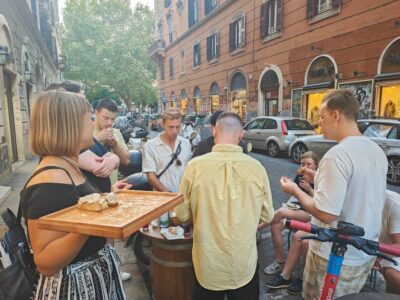
Campo de’ Fiori receives about 30 minutes, making it one of the longer stops. It is known as Rome’s oldest market, and the market is open in the morning. That timing matters. A morning tour gives you the best chance of seeing the market in its full working form.
The market stop can include tastes of condiments and other small samples. You may also hear about how Romans shop, season food, and use everyday ingredients. This is a useful counterpoint to the more famous prepared foods later in the walk.
Campo de’ Fiori can also feel tourist-oriented, and that is worth keeping in mind. One less satisfied participant felt that a limoncello stop was too commercial and that the free samples seemed tied to the hope of a purchase. The tour provider does not include drinks in the price, so you should not assume that every beverage or shop purchase is covered.
The best approach is to treat the market as a place to observe and ask questions, not as a guarantee of a long tasting session. If you want to buy something, you pay separately. If you prefer to keep moving, the guide will take you onward to the next part of the route.
Same city, another round of plates:
- Rome: Trastevere Street Food Walking Tour with Local Expert
★ 4.8 · 1,784 reviews - Roman Food Tour with Visit to the Trionfale Food Market
★ 5.0 · 471 reviews - Hidden Rome: Small Group E-Bike Tour with Street Food Stops
★ 5.0 · 169 reviews - Hidden Rome: Small Group E-Bike Tour with Street Food Stops
★ 4.9 · 144 reviews
Crossing Ponte Sisto for a Roman view
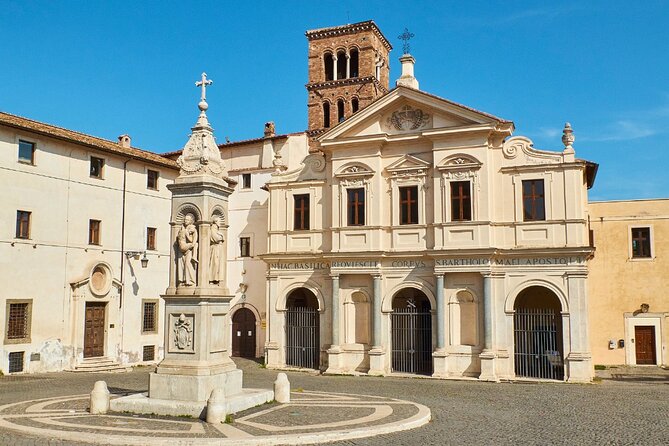
The walk then reaches Ponte Sisto, one of the popular bridges across the Tiber. The bridge connects the historic center with Trastevere and offers a view toward St. Peter’s Church and the Roman skyline.
This 20-minute section provides a welcome change from tight streets. You can pause, look over the river, and see how the two sides of central Rome fit together. It is also a useful transition in the tour. You leave the Campo de’ Fiori area and head into the neighborhood that gives the walk much of its character.
The bridge is not a food stop, so anyone booking only for tastings should see it as part of the value rather than wasted time. I like this balance. A food tour is more satisfying when the city between the bites has some purpose.
Trastevere’s lanes and local rhythm
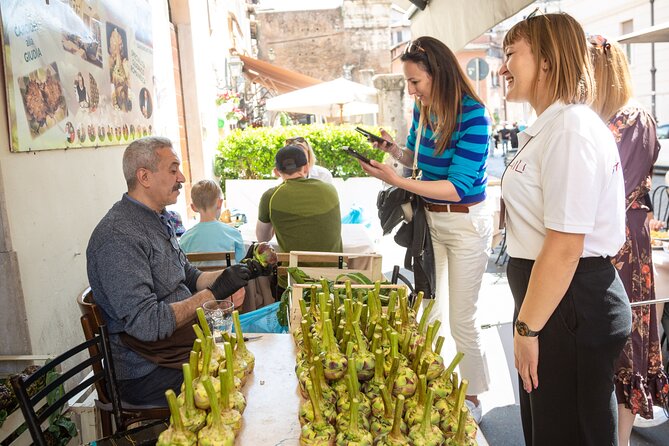
Trastevere is the heart of the tour. The name refers to the area across the Tiber, and its streets retain an old Roman feel, with layers of architecture from different periods. The tour spends time walking through its lanes and smaller alleys before reaching the final food stops.
The official time listed for the general Trastevere walk is about 10 minutes, followed by another 20 minutes around Santa Maria in Trastevere and a final 10 minutes before the tour ends. In practice, Trastevere forms the setting for much of the food portion, so the neighborhood is not just a brief photo stop.
This is a district where you can find boutiques, small shops, craft businesses, and restaurants mixed into an old street pattern. It also has a strong evening food culture, which makes it a natural place for a street food walk.
Several guides have been praised for making Trastevere feel personal rather than simply presenting a list of facts. Alex, for example, is noted for choosing family-run food stops and explaining how to avoid tourist traps. Matt, identified in the response as Matteo, was praised for answering questions and adding context to everything along the way.
What you may eat along the way
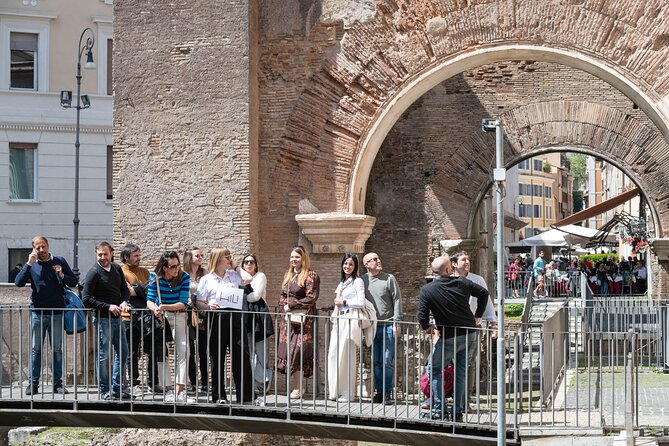
The exact order and selection may vary, but the food examples linked with this tour give you a useful idea of what to expect.
- Supplì: A Roman fried rice snack, often associated with a crisp exterior and a soft center.
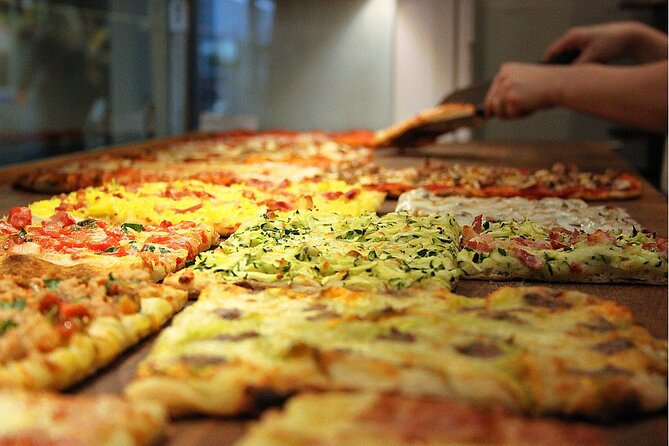
- Roman-style pizza: This was described as a favorite stop, with three flavors sampled during one outing.
- Porchetta sandwich: A small serving of roast pork in bread, giving you a taste of a classic central Italian preparation.
- Maritozzo: A sweet Roman bun filled with cream, often associated with Roman breakfast and pastry shops.
- Market condiments: Small tastes at Campo de’ Fiori can introduce you to ingredients and seasonings used in Italian cooking.
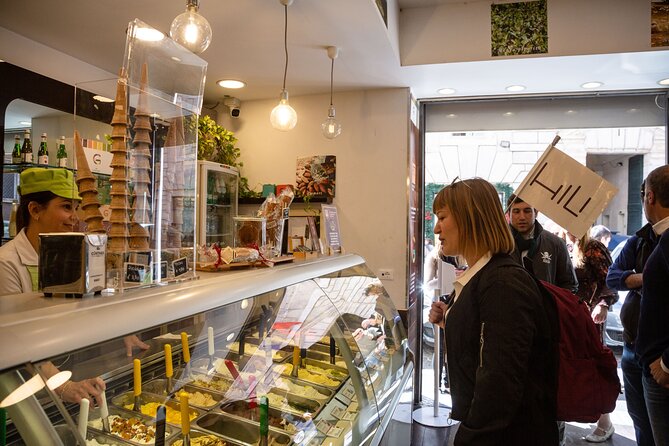
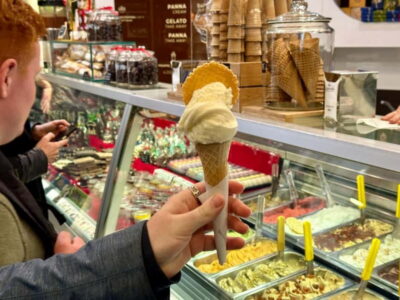
- Gelato: The tour includes gelato, usually the final sweet note.
- Limoncello samples: Some participants describe a stop for samples, though drinks are not included as a general tour feature.
The range is one of the strongest parts of the experience. You are not limited to pizza or pasta. You get salty, fried, savory, sweet, and frozen tastes. Several people found the portions filling enough to leave them with full bellies, but the experience is still built from samples rather than full plates.
If food education is your main reason for booking, set realistic expectations. Some guides provide a good deal of information about Roman customs, ingredients, and food traditions. Daniele, Daniel, and Tiziana are particularly praised for connecting the food to local history and culture. One critical experience found the explanations too brief and wanted more detail about regional preferences and culinary traditions.
That difference is important. You should expect a guide-led introduction, not a formal food studies class. Ask direct questions if you want more detail. A good question about how a dish is eaten in Rome, where it comes from, or how it differs from another Italian version can turn a quick tasting into a better lesson.
Santa Maria in Trastevere and the fountain square
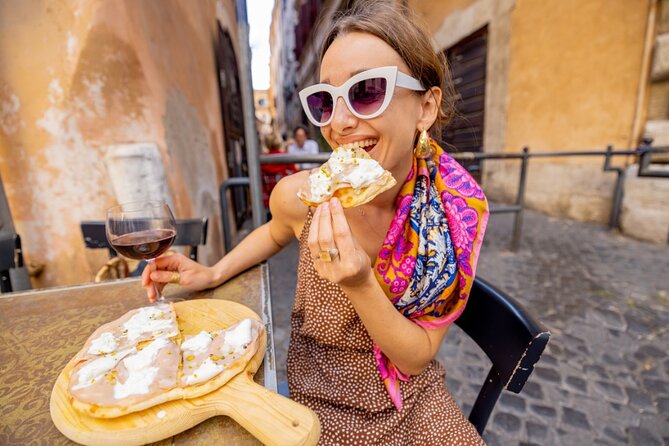
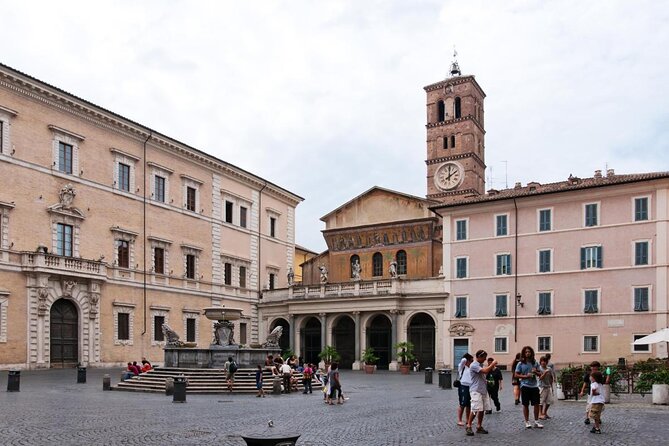
The route includes Basilica di Santa Maria in Trastevere and its surrounding square, with about 20 minutes here. The fountain in Piazza Santa Maria in Trastevere carries an old tradition: it is often described as Rome’s oldest fountain, possibly dating to the eighth century, though its exact construction date is not known.
The fountain also appeared on a 1471 city map by Pietro del Massaio. Its earlier form showed two basins, one above the other, with water flowing into the lower basin. Details like this give the food walk a sense of place. You are not simply eating in a pretty district. You are learning why the square matters.
The basilica area can be busy, so keep your group in sight and listen for the guide’s meeting instructions. The stop is free, and no separate admission ticket is required.
How the guides shape the experience
The strongest praise centers on the guides, not on one fixed menu. Silvia is praised for planning a varied route and choosing friendly vendors. Emilia is described as warm and enthusiastic. Gabrielle receives praise for humor and food knowledge, while Anna is credited with clear explanations and a real interest in food.
That range is encouraging, but it also means the tone can differ from one departure to another. Some guides may focus more on stories and jokes, while others may spend more time on ingredients or history. Daniel and Daniele are repeatedly singled out for being entertaining, Roman, and comfortable discussing archaeology, food, and local customs.
I would book this tour early in your stay if you want restaurant advice. You can then use the recommendations for later meals. If your schedule allows only one food activity, ask yourself how much you value neighborhood walking and cultural context alongside the food itself.
Practical details that affect your choice
Wear comfortable shoes. The route includes several streets, alleys, a bridge, market ground, and neighborhood sidewalks. This is not a difficult hike, but standing and walking for two and a half hours can be tiring in warm weather.
Most people can take part, and service animals are allowed. The tour is not suitable for people with celiac disease. The price includes food and gelato, but not drinks. The group maximum is 14, and confirmation arrives when you book.
Free cancellation is available up to 24 hours before the start time for a full refund. Changes or cancellations inside that window are not accepted for a refund. The tour depends on good weather and a minimum number of participants. If poor weather or low enrollment cancels it, you are offered another date or experience, or a full refund.
Should you book the Trastevere food walk?
Book it if you want a friendly introduction to Roman street food, prefer walking to sitting in one restaurant, and like having a local guide point out places to return to later. The route gives you several neighborhoods and food types in a compact afternoon or evening, and the small group keeps the experience personal.
Think twice if you want large portions, a fixed gourmet menu, or a detailed lecture on Italian food culture. The one critical experience raises a fair concern: some tastings may be small, and a commercial stop may not feel as local as expected.
For most visitors, I would place this early in a Rome stay. You get a first look at Campo de’ Fiori and Trastevere, a bridge view, a gelato, and practical eating advice. At $53.23, it is a sensible buy when you value both the food and the orientation. If you only want dinner, spend the money at a restaurant instead.
FAQ
How long does the Trastevere and Campo de’ Fiori food tour last?
The tour lasts approximately 2 hours and 30 minutes.
Where does the tour begin?
It begins at Piazza di San Simeone, beside the fountain in Piazza di San Simeone, Rome.
Where does the tour end?
The tour ends at Piazza di San Giovanni della Malva in Trastevere.
What food is included?
Food tastings and gelato are included. Examples associated with the tour include supplì, Roman-style pizza, porchetta, maritozzo, market condiments, and gelato.
Are drinks included?
No. Drinks are not included in the tour price.
How many people can join the tour?
The maximum group size is 14 people.
Can someone with celiac disease take this tour?
No. The tour cannot be done for people with celiac disease.
Newly added plates around Rome
- Vegan Street Food Tour in Rome★ 5.0 · 6 reviews
- Testaccio Street Food Tour Eat Like a Local★ 3.5 · 2 reviews
- Tasty Trastevere Street Food Tour in Rome from Tiberine Island to Ponte Sisto★ 5.0 · 25 reviews
- Vatican Street Food Tour and Wine Experience with Local Guide★ 5.0 · 7 reviews
- Gems of Rome: Small group E-bike tour with street food stops★ 5.0 · 36 reviews
- Tasty Rome Street Food Tour around Campo de’ Fiori Market & Jewish Ghetto★ 5.0 · 2 reviews
- Small-Group Rome Street Food Guided Tour★ 5.0 · 15 reviews
- Rome Street Food Tour – History, Craft and Authentic Taste★ 5.0 · 25 reviews
Rome Street Food Tours, compared.
Trastevere & Campo de Fiori Street Food Walking Tour
Read our review →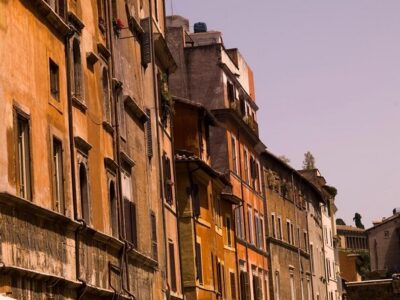
Trastevere Street Food Walking Tour with Local Expert
Read our review →
Roman Food Tour with Visit to the Trionfale Food Market
Read our review →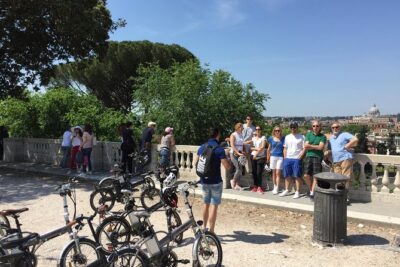
Hidden Rome: Small Group E-Bike Tour with Street Food Stops
Read our review →Hidden Rome: Small Group E-Bike Tour with Street Food Stops
Read our review →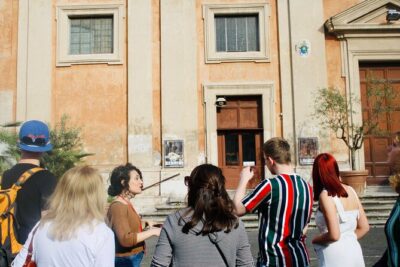
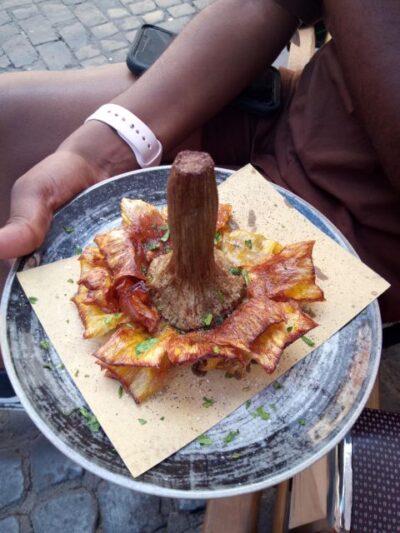
Trastevere and Jewish Ghetto Street Food Walking Tour
Read our review →Browse the lists this tour appears in