
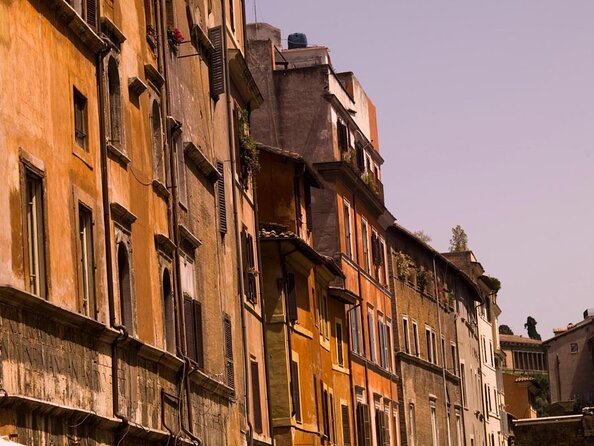
REVIEW · ROME STREET FOOD TOURS
Rome Street Food Tour with Local Guide
Rome makes a fine meal out of a walk, and this tour puts that idea to work. You start with market bites at Campo de’ Fiori, then eat your way toward the Jewish Ghetto, ancient ruins, and the site linked to Julius Caesar’s death. The food is local and familiar, but the history gives each stop more flavor.
I like the small-group format, capped at 15 people, and I like the mix of food and sightseeing. Guides such as Ramona, Francesca, Mattia, Matteo, and others have been praised for making Roman history easy to follow and for sharing useful tips beyond the scheduled tastings. The main catch is that you spend much of the 2.5 hours on your feet, and the tour cannot properly accommodate vegan, gluten-free, or dairy-free diets.
Key points to know before booking
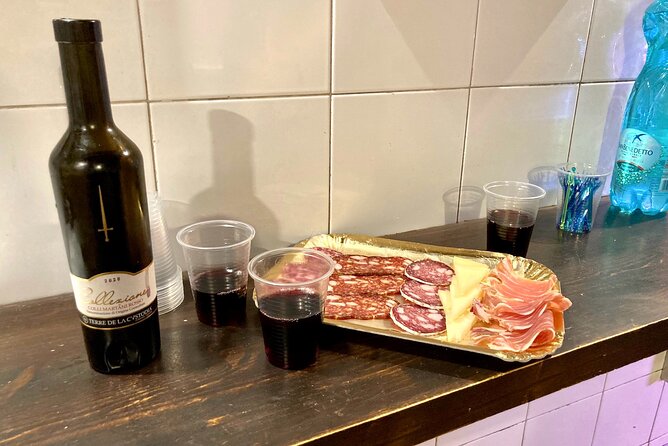
- Campo de’ Fiori sets the table: Morning departures include tastings among the historic market stalls, while evening departures do not.
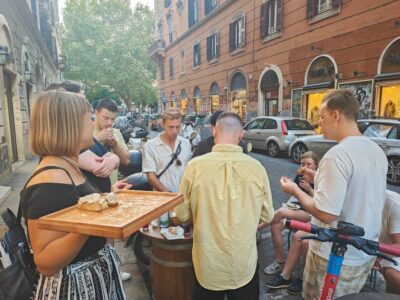
- Roman classics fill the route: Expect foods such as pizza, suppli, cheese, cured meat, seasonal produce, pastries, and gelato.
- History comes between bites: The walk includes the Jewish Ghetto, the Portico of Octavia, and Largo Argentina, linked to Caesar’s assassination.
- Guides add real value: Ramona, Francesca, Mattia, Matteo, and other local guides have been praised for food knowledge, Roman history, and practical city advice.
- Plan for standing and walking: Seats are not guaranteed, and the tour runs rain or shine.
- Dietary limits matter: Vegetarians can be accommodated with advance notice, but the tour does not accommodate vegans or gluten-free or dairy-free diets.
A Roman meal served one bite at a time
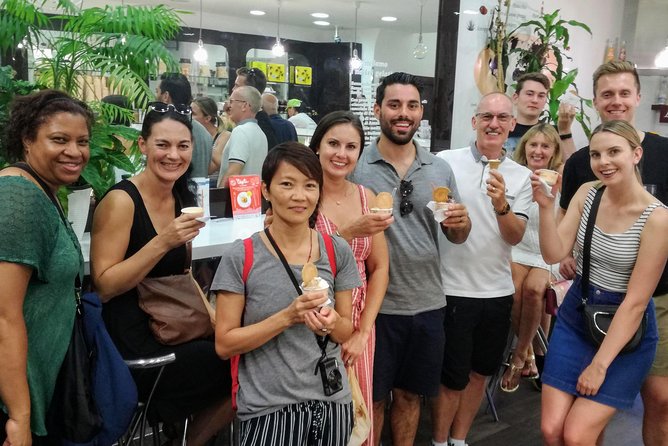
At $54.42 per person, this is not a full restaurant dinner. It is better understood as a guided tasting walk that can replace a light lunch or early dinner while helping you get oriented in central Rome.
I think the price is fair if you value the guide and the setting as much as the food. You are paying for several samples, local wine and beer, a small group, and a walk through some of Rome’s most interesting central quarters. If you only want the cheapest possible meal, you can spend less on your own. If you want help finding classic Roman bites and understanding what you are eating, the cost makes more sense.
The tour lasts about two and a half hours. That gives the guide time to explain the food without rushing from counter to counter, though the pace still includes regular stops and walking. You will not sit down for a long meal, so arrive ready to snack rather than expecting a traditional multi-course lunch.
The activity is offered in English. It starts in Piazza Campo de’ Fiori and ends at Piazza di Sant’Eustachio. Both locations are in central Rome and near public transportation, making the tour easy to add to a day of sightseeing.
More street food tours in Rome:
- Rome: Street Food Tour with Local Guide
★ 4.8 · 4,077 reviews - Rome: Trastevere & Campo de Fiori Street Food Walking Tour
★ 4.9 · 2,768 reviews - Rome: Trastevere Street Food Walking Tour with Local Expert
★ 4.8 · 1,784 reviews
Starting beneath Giordano Bruno in Campo de’ Fiori
The meeting point is beneath the statue of Giordano Bruno in the middle of Campo de’ Fiori. This is a useful landmark in a busy square, but give yourself time to find it. Campo de’ Fiori is a large open space with several approaches, and you do not want to arrive at the last minute while searching for the statue.
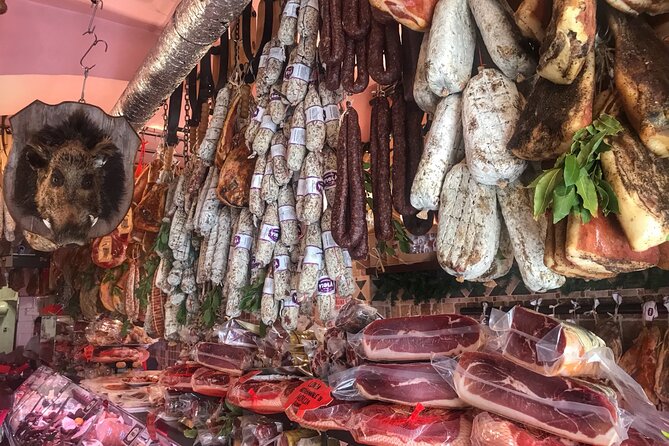
The square is especially important for the morning tour. Its food market operates in the morning, and that is when you can taste food directly among the stalls. The market portion lasts about 30 minutes, following a short introduction at the meeting point.
Here you might sample cheese, cured meat, wine, seasonal fruit, and other local products. The exact foods change with the season, so do not book this expecting a fixed menu. That variation is part of the appeal, but it also means one departure may not taste exactly like another.
The morning option has a clear advantage: you see Campo de’ Fiori functioning as a food market. Evening departures are still useful, but the market is closed at night. You will get the square and its history, not the same market activity or market-stall tastings.
From the market to Passetto del Biscione
The next stop is Passetto del Biscione, a short section of the walk that adds atmosphere and a change of pace. The tour uses this area for local street food and for a look at an easily missed part of Rome.
I like this kind of stop because it keeps the route from becoming a simple list of restaurants. You move through older streets, hear about the quarter, and eat in the same broad area rather than being driven between unrelated venues. The scheduled time here is about 15 minutes, so expect a brief tasting and explanation rather than a long visit.
The small group helps at this stage. A group of up to 15 people is large enough for conversation but still manageable when the guide gathers everyone around a food counter or points out a detail in the street. You should still stay close to the guide, especially when crossing streets or moving through crowded areas.
Learning the Jewish Ghetto through food
The route then reaches the former Roman Ghetto, an area with a difficult and important history. The guide explains how the ghetto was established under Pope Paul IV to segregate Rome’s Jewish population, then connects that past to the food you taste in the neighborhood.
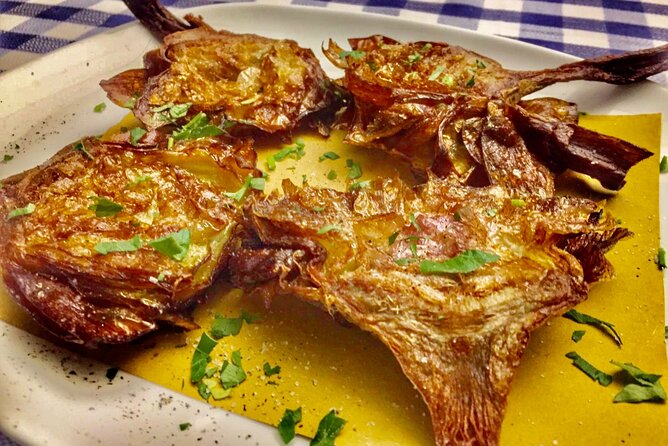
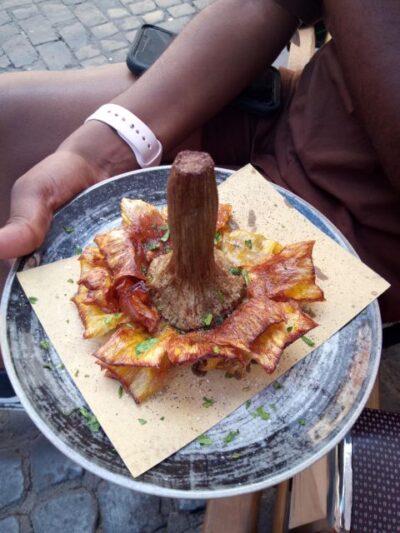
This is one of the tour’s strongest sections because the food is not treated as decoration. Roman cuisine reflects many layers of local history, and the Jewish Ghetto has its own well-known specialties. You will taste one of the most famous Roman-Jewish foods, with the exact preparation subject to season and availability.
The tour also includes a stop near Rome’s synagogue. The schedule does not describe an interior visit, so think of this as an exterior sightseeing and history stop rather than a synagogue tour. You will have a chance to see the area while the guide explains its place in Roman life.
This section is especially useful if you have already seen the major monuments and want a more local way to understand the city. You are not simply walking past old buildings. You are hearing why a neighborhood developed as it did and how that story shaped what Romans eat.
Same city, another round of plates:
- Roman Food Tour with Visit to the Trionfale Food Market
★ 5.0 · 471 reviews - Trastevere & Campo de’ Fiori Street Food Tour, Eat Like a Local
★ 5.0 · 207 reviews - Hidden Rome: Small Group E-Bike Tour with Street Food Stops
★ 5.0 · 169 reviews - Hidden Rome: Small Group E-Bike Tour with Street Food Stops
★ 4.9 · 144 reviews
Pizza and suppli, Rome’s everyday classics
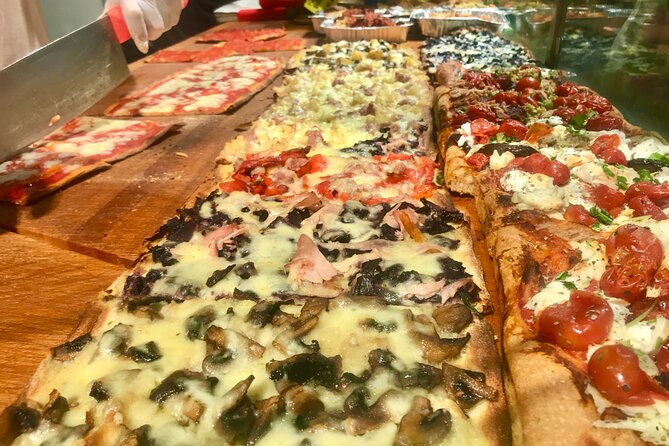
Pizza is one of the central tastings. This is not presented as a formal restaurant meal, but as a chance to try one of Rome’s favorite quick foods while moving through the city.
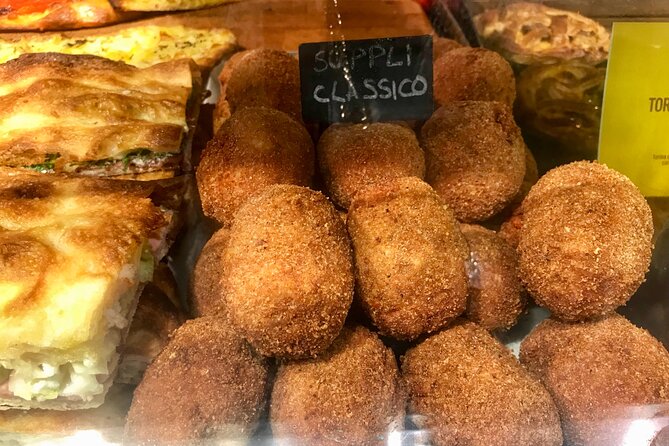
You also try suppli, a fried rice ball with tomato and mozzarella at its center. The crisp outside, soft rice, tomato, and melted cheese make it an easy food to appreciate even if you know little about Roman cooking. It is filling enough to give the tour substance, but still small enough to leave room for later tastings.
The food selection can include antipasto, pizza, suppli, pastries, cannoli, artichoke, salami, and seasonal produce, depending on the departure and availability. Wine and beer are included, while extra drinks are not. Portions are tasting portions, not oversized plates, but several stops together can amount to a light meal.
I would avoid eating a full lunch before the tour. You do not need to arrive hungry enough to suffer, but a normal breakfast or small snack is wiser than a large meal. The food comes in stages, and you will enjoy the range more if you have room for the later gelato.
Ancient Rome at the Portico of Octavia
The walk continues to the Portico of Octavia, where you see ruins dating to the first century BC. This helps break up the food stops with a clear piece of ancient Roman history.
The value here is practical. Rome can overwhelm you with ruins, columns, and fragments. A guide gives those stones a purpose and connects them to the neighborhood around them. The scheduled visit lasts about 30 minutes, which is enough time to look around and hear the main story without turning the tour into a long archaeological lecture.
The route does not attempt to replace the Colosseum, Roman Forum, or a dedicated ancient Rome tour. Instead, it gives you a smaller look at Roman remains in the middle of a food-focused walk. I find that balance appealing. You get context without spending the entire afternoon indoors or among large tour groups.
Largo Argentina and the final gelato
The last major stop is the Area Sacra di Largo Argentina, the archaeological site associated with Julius Caesar’s assassination. The ruins are visible from the street, and the location gives the guide an obvious story to tell as the food portion reaches its sweet finish.
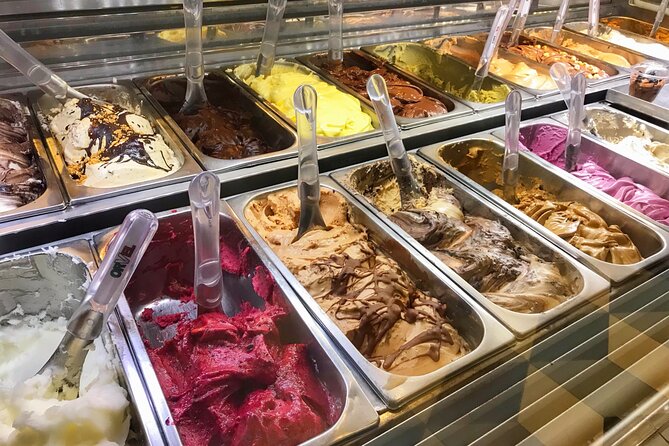
You then visit a family-run gelateria for artisanal gelato. The owner explains how gelato is made, adding a little production knowledge to the tasting. This is a better ending than simply receiving a scoop and moving on, because you learn what makes the shop’s product different before trying it.
Gelato is a generous way to finish a walking tour, but it also means the experience ends on a sweet note rather than with a full savory meal. If you want a substantial dinner afterward, plan for one. The final destination is Piazza di Sant’Eustachio, so you can continue into central Rome from there.
What the guides add to the food
The guide can make or break a food tour, and this experience has received especially strong praise for the people leading it. Ramona has been described as warm, passionate about Rome, and good at mixing food, culture, and history. Francesca has been praised for clear explanations and a friendly manner, while Mattia and Matteo have received similar praise for combining Roman history with practical food advice.
Guide assignments can change, so you should not book on the assumption that one named person will lead your departure. Still, the range of positive comments points to the role the guide is expected to play. You can ask questions, learn how locals think about familiar foods, and collect ideas for restaurants or later sightseeing.
One useful feature is the informal city advice that can come up during the walk. A guide may point out Rome’s public drinking fountains, suggest places to eat, or offer practical tips about getting around by train. These details are not a formal part of the itinerary, but they can be valuable early in a Rome visit.
I especially like taking a food walk near the start of a trip. You learn the city’s layout, pick up food terms, and get suggestions before committing to several restaurant meals. The tour also creates an easy way to meet other people, which can be pleasant if you are traveling alone or as a couple.
Timing, weather, and walking comfort
The tour runs in rain or sunshine, and much of it takes place outdoors. Bring sensible shoes and check the forecast before leaving. In cooler or wet weather, a light waterproof layer matters. On hot days, water and sun protection are just as important.
You will stand at market stalls, food shops, and tasting points. Seats are not guaranteed, and the activity is not suitable if you have limited walking or standing capacity. The walking distance is not described as extreme, but the repeated standing can be tiring for some people.
Morning and evening departures offer different moods. Morning gives you the Campo de’ Fiori market and its stall tastings. Evening avoids the heat of midday for some departures, but the market is closed, so the first tasting section changes. Ask yourself which matters more: the market experience or the timing that fits your sightseeing plans.
The maximum group size is 15 people. That is not a private tour, but it is small enough for the guide to keep the group together and explain each dish without shouting across a large crowd.
Dietary restrictions and food safety
This tour is a good fit for people who eat meat, dairy, and gluten. Vegetarians can be accommodated only if you advise the operator in advance. Do not wait until the meeting point, since the tastings need to be arranged before the tour.
The tour does not accommodate vegans, people avoiding gluten, or people avoiding dairy. Anyone with a nut allergy should also know that cross-contamination is possible. A guest with celiac disease was able to receive some gluten-free food with advance care from the guide, but that should not be treated as a guaranteed gluten-free tour.
If you have a serious allergy or a strict medical diet, I would choose a tour designed around that need rather than hoping substitutions will appear. For ordinary preferences, contact the operator before booking and explain exactly what you can and cannot eat.
Who will get the most from this tour
I would recommend this walk to first-time visitors who want a relaxed introduction to Roman food and central neighborhoods. It also suits repeat visitors who have seen the big monuments and want to explore the Jewish Ghetto, Campo de’ Fiori, and Largo Argentina with a food angle.
Families can enjoy it, including families with teenagers, since the food arrives in small portions and the history is broken into short explanations. It also works well as a first-night activity because it gives you a sense of local dishes and may help with later restaurant choices.
I would be more cautious if you want a seated meal, a private guide, a long visit at each monument, or a very substantial dinner. This is a moving tasting walk, not a restaurant crawl with reserved tables. The experience is also a poor match for vegan, gluten-free, or dairy-free diners.
Should you book the Rome Street Food Tour?
Book it if you want to taste classic Roman snacks while seeing several central areas in one compact outing. The combination of pizza, suppli, market food, wine, beer, pastries, seasonal produce, and gelato gives you a useful first look at Roman eating, while the Jewish Ghetto and Largo Argentina keep the walk from feeling like a string of unrelated tastings.
I would choose a morning departure if Campo de’ Fiori’s market is important to you. I would choose the tour near the start of your stay if you want food suggestions, neighborhood orientation, and practical advice from a local guide.
Skip it if you need guaranteed dietary substitutions, cannot stand or walk for long, or want a full sit-down meal. For everyone else, $54.42 is a reasonable price for a small-group introduction to Roman food, especially when you count the guide, tastings, drinks, and sightseeing together.
FAQ
How long does the Rome Street Food Tour last?
The tour lasts approximately 2 hours and 30 minutes.
Where does the tour begin and end?
It begins at Piazza Campo de’ Fiori, beneath the statue of Giordano Bruno, and ends at Piazza di Sant’Eustachio.
What food and drinks are included?
Included tastings can include cheese, cured meat, seasonal produce, pizza, suppli, pastries, cannoli, and gelato. Wine and beer are included. Extra drinks are not included, and the exact tastings can change with the season.
Is the Campo de’ Fiori market open during every tour?
No. The market operates in the morning, so morning departures include tastings among the market stalls. The market is closed during evening departures.
Can vegetarians, vegans, or people with food allergies join?
Vegetarians can be accommodated if you advise the operator in advance. The tour does not accommodate vegans or gluten-free or dairy-free diets. People with nut allergies should know that cross-contamination is possible.
What happens if I need to cancel?
You can receive a full refund if you cancel at least 24 hours before the experience start time. Cancellations or changes made within 24 hours are not refunded or accepted. If the minimum number of participants is not met, the operator will offer another date or experience, or provide a full refund.
Newly added plates around Rome
- Vegan Street Food Tour in Rome★ 5.0 · 6 reviews
- Testaccio Street Food Tour Eat Like a Local★ 3.5 · 2 reviews
- Tasty Trastevere Street Food Tour in Rome from Tiberine Island to Ponte Sisto★ 5.0 · 25 reviews
- Vatican Street Food Tour and Wine Experience with Local Guide★ 5.0 · 7 reviews
- Small-Group Rome Street Food Guided Tour★ 5.0 · 15 reviews
- Gems of Rome: Small group E-bike tour with street food stops★ 5.0 · 36 reviews
- Tasty Rome Street Food Tour around Campo de’ Fiori Market & Jewish Ghetto★ 5.0 · 2 reviews
- Rome Street Food Tour – History, Craft and Authentic Taste★ 5.0 · 25 reviews
Rome Street Food Tours, compared.
Trastevere & Campo de Fiori Street Food Walking Tour
Read our review →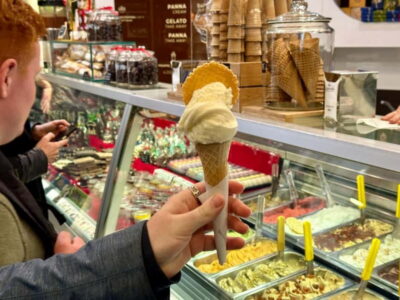
Trastevere Street Food Walking Tour with Local Expert
Read our review →
Roman Food Tour with Visit to the Trionfale Food Market
Read our review →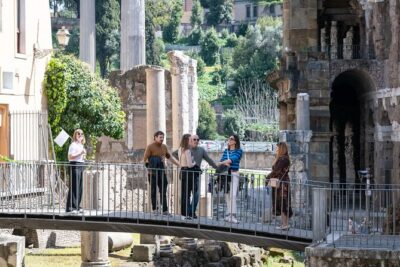
Trastevere & Campo de’ Fiori Street Food Tour, Eat Like a Local
Read our review →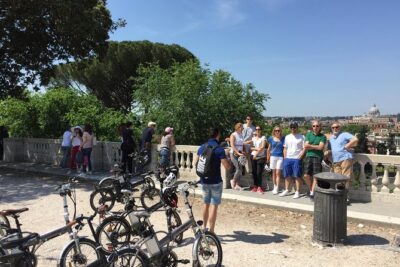
Hidden Rome: Small Group E-Bike Tour with Street Food Stops
Read our review →Hidden Rome: Small Group E-Bike Tour with Street Food Stops
Read our review →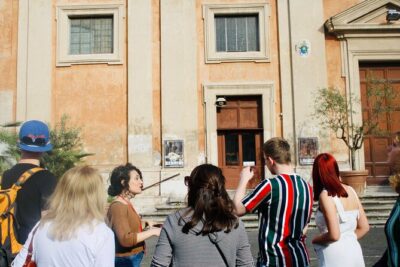
Trastevere and Jewish Ghetto Street Food Walking Tour
Read our review →Browse the lists this tour appears in