
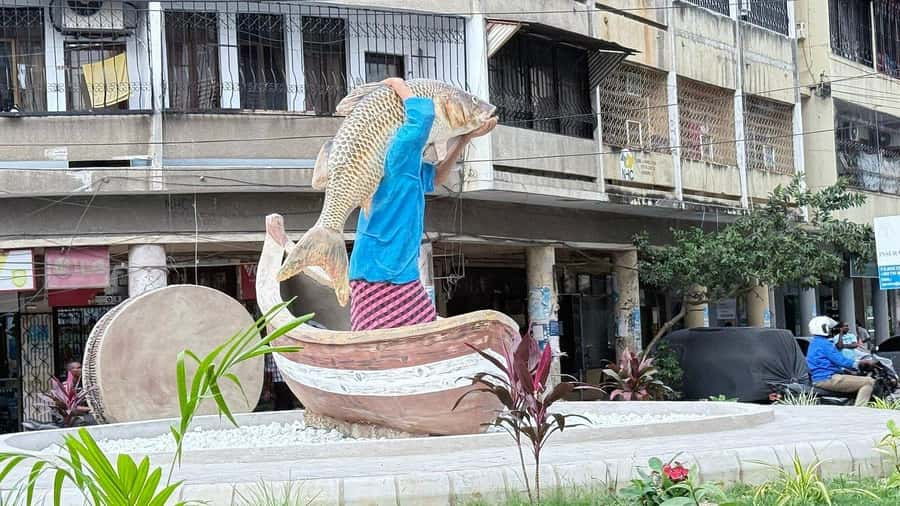
REVIEW · FOOD TOURS BY TUK-TUK
Dar es Salaam: Tuk-Tuk Tour, Street Food & Local Lifestyle
Dar es Salaam makes its best first impression from the back of a tuk-tuk, where markets, food stalls, crafts, and ordinary neighborhoods pass close enough to feel immediate. This tour links Kariakoo Market, Mwenge Woodcarvers’ Market, and the Village Museum, with chapati, mishkaki, roasted maize, or fresh juice along the way. I like the mix of street food and cultural stops, and I like that a local guide such as Glory can adjust the day to your interests. The main caution is pickup: one booking recorded a missed pickup and no reply that day, so confirm the meeting point and time before setting out.
Key points at a glance
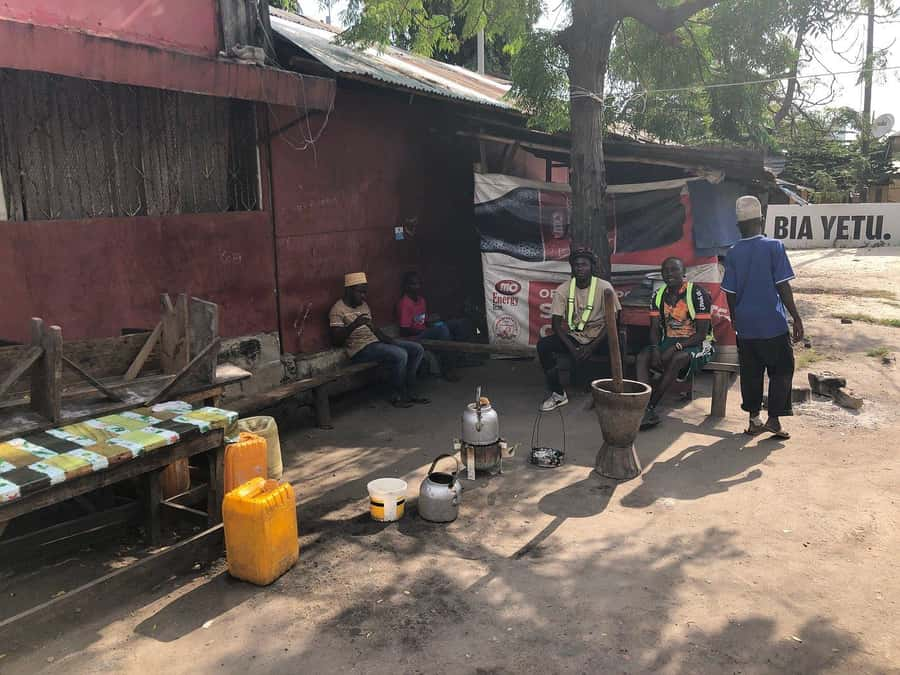
- Kariakoo Market: Spend time among spices, tropical fruit, clothing, and everyday shopping in one of Dar es Salaam’s busiest commercial areas.
- Swahili snacks: Taste items such as chapati, mishkaki, roasted maize, and fresh juice rather than sitting down for a long formal meal.
- Mwenge woodcarvers: Watch artisans work on masks, furniture, and souvenirs, then leave room in your budget for shopping.
- Village Museum: See traditional homes connected with different Tanzanian tribal cultures and learn about rural life.
- Tuk-tuk transport: The small vehicle is useful for seeing city streets at close range, though it offers less protection from sun, dust, and traffic than a car.
- Four-hour format: This suits a focused introduction to the city, but the published stop times add up to more than four hours, so confirm the actual schedule.
What this Dar es Salaam tour is really designed to do
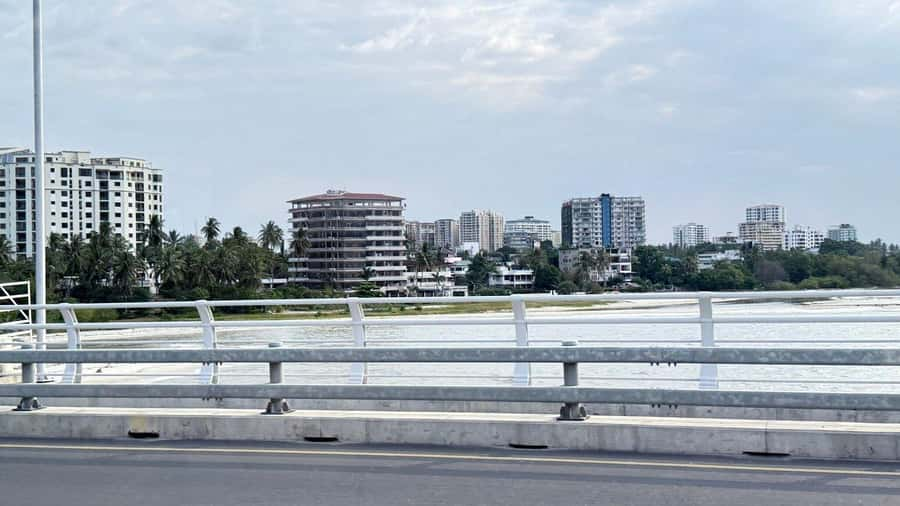
This is not a grand sightseeing circuit built around famous monuments. It is a street-level introduction to Dar es Salaam, with the city’s markets and working craft traditions doing most of the talking.
You begin with a hotel meeting in central Dar es Salaam, receive a short briefing, and set off by tuk-tuk. The vehicle puts you close to the action. You can watch the city change as you ride, rather than seeing it through the sealed windows of a larger vehicle. That comes with tradeoffs, which I will get to, but it is a good match for anyone who wants a direct look at daily life.
The route combines three different kinds of places. Kariakoo shows commerce and food. Mwenge focuses on handwork and souvenirs. The Village Museum gives cultural context through traditional buildings and explanations of rural life. The final café stop, with spiced ginger tea or coconut water, provides a simple finish before the ride back.
The experience is priced at $65 per group up to one person. That wording is unusual, so check the final price if you are booking for more than one person. For a solo visitor, the price can make sense because it includes four hours of tuk-tuk transport, a professional local driver-guide, a street-food tasting, bottled water, and the Village Museum entrance fee. Personal shopping and extra meals cost more.
More Food Tours by Tuk-Tuk in the world:
- Bangkok: Michelin Guide Street Food Tour by Tuk Tuk
★ 4.4 · 1,274 reviews - Bangkok Tuk-Tuk Tour by Night with Chinatown Street Food Meal
★ 5.0 · 635 reviews - Delhi: Old Delhi Street Food Tour with Rickshaw Ride
★ 4.9 · 403 reviews
Kariakoo Market: start with the city’s daily rhythm
Kariakoo is the strongest opening stop because it gives you an immediate sense of how Dar es Salaam shops, eats, and moves. You are not simply looking at a market from the edge. The plan calls for a guided visit with time to walk, browse, and take in the scene.
Expect spices, tropical fruit, and stalls selling the things people need for ordinary life. This is where the tour feels least polished and most useful. A market tells you more about a city than a quick drive past a government building. Look at what is stacked high, what is being carried, and how shoppers move through the narrow spaces.
The planned visit is listed as about 90 minutes. That is enough time to get a feel for Kariakoo without making the entire tour about shopping. Your guide can help explain what you are seeing and keep the walk from becoming a confusing wander.
Wear comfortable shoes. Kariakoo is a walking stop, and the tour includes several hours of movement overall. Keep your camera ready, but ask before photographing people or close-up activity. Cash is important if you want to buy anything or pay for small food purchases.
The drawback is that markets can be hot, crowded, and tiring. The tour description promises an active market experience, not a quiet, air-conditioned visit. If you prefer calm museums and fixed displays, Kariakoo may be the part that tests your patience. If you want a close look at urban life, it is likely to be the most memorable section.
Chapati and mishkaki: a quick taste of Swahili food
The food stop is designed as a tasting, not a full restaurant meal. You may try chapati, mishkaki, roasted maize, or fresh juice, depending on what is available and what appeals to you.
Chapati is a soft, layered flatbread often eaten as a filling snack or part of a meal. Mishkaki is grilled meat on skewers. Together, they give you a useful introduction to simple Swahili street food without taking an hour away from the route.
Fresh juice adds a cooler option, especially during a warm afternoon departure. The tour also includes bottled water, but you should still carry your own cash for extra food or drinks. Alcohol is not included and is not allowed on the activity.
I like this part because food makes the market experience more than a sightseeing walk. You are not just looking at ingredients and cooking fires. You get a chance to taste something linked to the city’s everyday routine.
Food preferences and allergies are not described in the available details. If you have a restriction, tell the operator before the tour and ask what tasting options are possible. Do not count on the street-food stop as your main meal, since only snacks and fresh juice are included.
Mwenge Woodcarvers’ Market: watch the craft, then shop carefully
The next major stop is Mwenge Woodcarvers’ Market, scheduled for about 90 minutes. This is both an arts visit and a shopping stop.
You can watch artisans carving wooden masks, furniture, and souvenirs. That working process gives the market more value than a row of finished objects in a hotel shop. You get to see how a piece begins, how patterns are shaped, and how Tanzanian craft traditions are presented for buyers.
The market is a good place to buy a small reminder of Dar es Salaam, but shopping is optional and personal purchases are not included. Take your time. Examine the workmanship, compare prices, and remember that your tuk-tuk has limited space. A large piece of furniture may be a poor choice if you still have the Village Museum and the ride back ahead of you.
Bargaining expectations are not specified, so ask your guide how purchases are handled before you start negotiating. Your guide can also help explain which objects are decorative, practical, or connected to particular traditions.
This stop may feel more commercial than Kariakoo. That is not necessarily a flaw. Crafts are made to be sold, and a shopping market is part of the local economy. Still, if your main interest is history rather than buying souvenirs, ask for time to focus on the carving itself.
More street food tours in the world:
- Dubai: Old Town, Creek, Museums, Souks, & Street Food Tour
★ 4.8 · 10,816 reviews - Ho Chi Minh City Street Food Tour & Sightseeing By Motorbike
★ 5.0 · 9,413 reviews - Medellin: Comuna 13 Graffiti Tour, Cable Car & Street Food
★ 4.8 · 9,046 reviews - Dubai: Old Town, Souks, Street Food, Guided Tour & Abra Ride
★ 4.9 · 7,170 reviews
Village Museum: put the city stops into context
The Village Museum adds the cultural background that the market stops cannot provide. Here you see traditional huts associated with different Tanzanian tribal communities and learn about rural lifestyles, architecture, and heritage.
This is a useful counterpoint to Dar es Salaam’s traffic and commerce. After seeing how people shop and work in the city, you get a look at older building forms and village life from across Tanzania. The visit is guided, and the entrance fee is included.
The published timing lists two hours for the traditional village stop. That is longer than the market visits, which suggests that the museum is intended to be a substantial part of the day. At the same time, the full tour is advertised as four hours, while the listed stop times total five hours before allowing for road travel. Treat those figures as approximate and confirm how long you will actually spend at each place.
The Village Museum is especially useful if you are new to Tanzania and want more than a quick city tour. It can help you understand that Tanzania is made up of many communities and local traditions, rather than one single cultural style. The information supplied does not name the specific communities represented, so your guide will be the best person to ask for that detail on site.
The tuk-tuk ride: close to the street, exposed to the weather
The tuk-tuk is part of the attraction, not just a way to get between stops. You sit close to the road and get a more open view of shops, pedestrians, and neighborhoods than you would from a standard tour vehicle.
That closeness is also the main practical compromise. You will be more exposed to sun, heat, dust, and traffic noise. Wear light, comfortable clothes, bring sunglasses and a sun hat, and apply sunscreen before pickup. The operator also recommends comfortable shoes and carrying a camera.
The tour is described as wheelchair accessible, which is important, but the specific tuk-tuk setup and transfer process are not explained. If you use a wheelchair, contact the operator before booking to confirm how boarding works and whether your particular chair can be accommodated.
The ride returns you to your hotel or meeting point at the end. Hotel pickup is offered in central Dar es Salaam, while transfers outside the central area are not included. Confirm your exact pickup address rather than assuming any hotel in the wider region is covered.
Guide style and the importance of confirming pickup
A local driver-guide shapes this experience more than the route does. The guide is expected to provide the briefing, explain what you see, lead the market and museum visits, and help the day respond to your interests.
Glory is specifically associated with a highly flexible and engaging day. If Glory is assigned to your booking, tell her what matters most to you at the start. You might prefer more food, more craft shopping, or more time at the Village Museum. The supplied details indicate that she responds to individual needs, which is useful on a route with several different stops.
There is one serious practical warning. A February 2026 booking recorded a failure to collect the customer, followed by no reply about whether pickup would happen. That is not a small inconvenience, especially if you have a flight, ferry, or other fixed plan.
I would confirm the pickup location and departure time shortly before the tour. Keep the operator’s contact details handy, arrive early, and avoid scheduling a tight connection immediately afterward. The activity offers free cancellation up to 24 hours before departure, and reserve-now-pay-later booking is available, but neither policy fixes a missed pickup on the day itself.
Timing, language, age, and what to carry
Departures run daily in the morning or afternoon, with the exact starting time subject to availability. A morning departure may be more comfortable for market walking, while an afternoon trip may suit a later arrival in Dar es Salaam. The tour data does not promise different stops by time of day, so ask if you have a strong preference.
English and French are listed as guide languages. German is also mentioned in the operating notes, so confirm German availability rather than assuming it is guaranteed.
The minimum age is six. Children under six cannot join. Older children may enjoy the tuk-tuk and snack tasting, but the market walk, heat, and street conditions may require close adult attention.
Bring:
- Comfortable shoes
- Sunglasses and a sun hat
- Sunscreen
- Comfortable clothing
- A camera
- Cash
- Water, in addition to the included bottle if you prefer to drink often
Do not bring alcohol or drugs. Extra meals, alcoholic drinks, and shopping are not included.
Is $65 good value for four hours?
For one person, $65 buys a fairly full introduction to Dar es Salaam: transport, a local guide, food samples, bottled water, and the Village Museum entrance. The value is strongest if you want one booking to combine markets, food, crafts, and culture rather than arranging separate visits.
The price is less easy to judge for a larger party because the listing says $65 per group up to one person. Check how additional people are charged before paying. Also confirm whether the advertised four-hour duration includes all transfers and how the stop timings are reconciled.
This is not the right choice if you want a luxury vehicle, a long sit-down meal, or a slow museum-focused tour. It is better suited to someone who values access and variety over comfort and exact timing.
Should you book this tuk-tuk experience?
Book it if you want a compact, active look at Dar es Salaam with Kariakoo Market, street food, woodcarving, and Tanzanian village traditions in one outing. It is particularly useful for a first visit, a short stay, or a cruise stop when you want more than a hotel-to-landmark transfer.
I would book with two conditions. First, confirm the pickup details and the actual stop schedule. Second, make sure the tuk-tuk format suits you, especially in hot weather or if you need specific mobility arrangements.
The guide quality can make this tour excellent. Glory’s reported flexibility is a real advantage, but the missed-pickup incident means you should stay proactive. With those checks in place, the route offers a practical taste of the city’s food, work, craft, and cultural life without asking you to commit to a full-day excursion.
FAQ
How long does the Dar es Salaam tuk-tuk tour last?
The experience is advertised as four hours. The listed stop durations add up to more than four hours before travel time, so confirm the precise schedule with the operator.
What places does the tour visit?
The route includes Kariakoo Market, Mwenge Woodcarvers’ Market, and the Village Museum, also described as a traditional village visit.
Is food included?
A street-food tasting is included, with snacks and fresh juice. Possible items include chapati, mishkaki, roasted maize, and fresh juice. Additional meals are not included.
Is hotel pickup available?
Pickup is available from hotels in central Dar es Salaam. Transfers outside central Dar es Salaam are not included, so confirm your address in advance.
Which languages are available?
English and French are listed as guide languages. German is also mentioned in the operating information, so confirm German availability before booking.
Can children join the tour?
Children aged six and older can join. Children under six are not suitable for this activity.
Is the tour wheelchair accessible?
The activity is described as wheelchair accessible. Because the specific tuk-tuk boarding arrangements are not provided, contact the operator to confirm that the vehicle and transfer process suit your needs.
Newly added plates around the world
- Zanzibar:Stone town Street food market walking tour,transfer★ 4.5 · 9 reviews
- Zanzibar: Stone town visit, Shopping tour &Night food Market★ 4.4 · 2 reviews
- Zanzibar: Stone town tour, Prison island & night food market★ 4.5 · 2 reviews
- Xi’an Muslim Quarter Night Market Foodie Walking Tour★ 4.2 · 22 reviews
- Xi’an: Gourmet & Street Food Tour★ 4.8 · 22 reviews
- Verona: Street Food and History Tour with Local Guide★ 4.7 · 6 reviews
- Vienna Food Tour: Dishes, Wine, Street Food & Culture★ 4.7 · 12 reviews
- Verona: City Highlights & Street Food Walking Tour★ 5.0 · 3 reviews
Food Tours by Tuk-Tuk, compared.
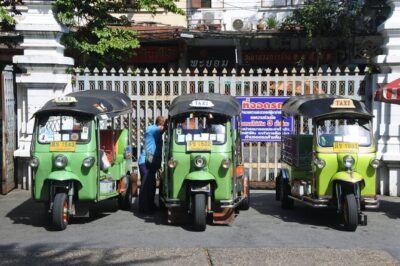
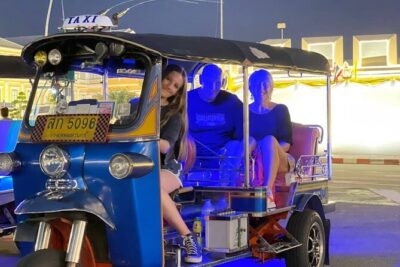
Bangkok Tuk-Tuk Tour by Night with Chinatown Street Food Meal
Read our review →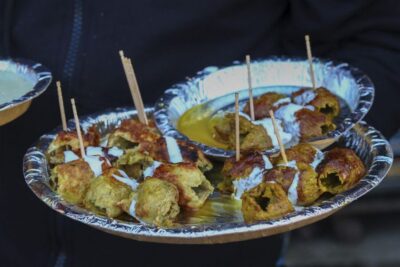
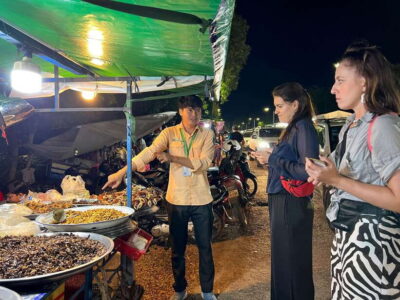
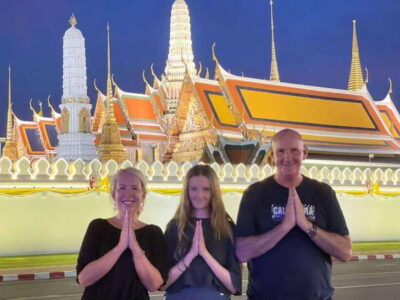
Bangkok Tuk-Tuk by Night with Chinatown Street Food Meal
Read our review →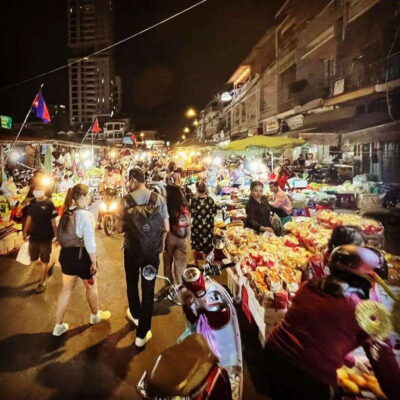
Phnom Penh’s Ultimate Street Food Tour by Tuk Tuk
Read our review →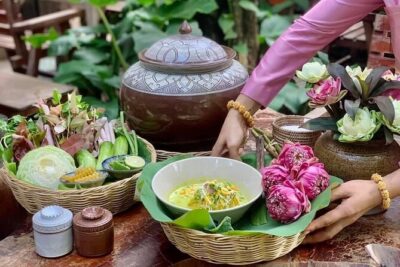
Browse the lists this tour appears in