
REVIEW · DINING EXPERIENCES
Nairobi Food Tour – Street Food Experience Lunch
Nairobi’s food culture makes the most sense one plate at a time. This private tour takes you beyond a single restaurant for nyama choma, ugali, chapati, mukimo, samaki, and other everyday Kenyan foods at several local establishments. Guides such as Faith, Benson, and Simon help connect each dish with the way people eat in Nairobi.
I like the private format, since you can ask questions and set the pace with only your own group along. I also like the generous meal: this is not a quick tasting with one bite per dish, so arriving hungry matters. Hotel pickup and drop-off make the five-hour outing easier to fit into a busy Nairobi schedule.
The main caution is value and comfort. At $163 per person, the tour costs far more than an ordinary meal, and the food may challenge people who are particular about unfamiliar settings, textures, or ingredients. This is best for diners seeking local food rather than a polished restaurant experience.
Key points at a glance
- Several Kenyan dishes in one outing: Try ugali, mukimo, chapati, nyama choma, kuku choma, samaki, kachumbari, madafu, soup, and Swahili specialties.
- Private guiding: Your group participates alone, with guides including Faith, Benson, and Simon named in the tour’s feedback.
- Local food stops: The route combines better-known establishments with lesser-known places that are harder to choose on your own.
- A full meal, not just samples: Lunch or dinner is included, and the amount of food can be substantial.
- Simple transport: Pickup and drop-off in Nairobi plus one bottled water per person are included.
- Plan for the price: At $163 per person, you are paying for guiding, transport, variety, and access to places you might not find easily, not just the food.
A five-hour introduction to Nairobi through food
Food is one of the quickest ways to get a feel for a city. On this half-day outing, you are not confined to one menu or one dining room. Your guide takes you between several food establishments, combining familiar places with less obvious local choices.
The format is useful because Nairobi has many places to eat, but a first-time visitor has no easy way to judge which ones fit the experience they want. Here, the guide handles the selection and the movement between stops. You can concentrate on tasting, asking questions, and noticing how different dishes work together.
The tour is private, so the pace belongs to your group. That matters when you want an explanation of an unfamiliar dish, need a little time with a meal, or want to ask how Kenyan food connects with Indian and Swahili cooking. Simon, Faith, and Benson are among the guides associated with the experience, and the personal contact is a major part of its appeal.
Expect the full outing to take about five hours. The exact order of dishes and establishments is not fixed in the supplied details, so you should think of this as a guided food route rather than a rigid restaurant itinerary.
More lunch outings around the world:
- Authentic Vienna Food Tour inc. lunch, street food, 3 drinks
★ 5.0 · 749 reviews - An exclusive experience: food market, private chef and lunch!
★ 5.0 · 36 reviews - From Taormina: Syracuse Tour with lunch in Food Market
★ 4.9 · 12 reviews
The Kenyan dishes you are likely to meet
Nyama choma and kuku choma
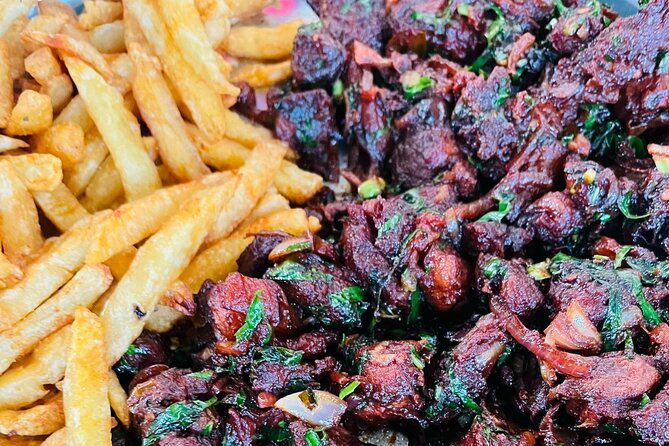
Nyama choma is grilled goat meat and one of the signature foods named for this experience. It is a hearty choice, usually suited to someone who wants to try a dish closely linked with casual Kenyan eating rather than a refined tasting menu.
Kuku choma brings chicken into the same grilled-meat tradition. Having both options listed gives you a better sense of the range of choma-style cooking. The meal may include one or both, depending on what is specified for your booking and what the guide arranges.
These are not tiny decorative portions. Several people who enjoyed the tour found the food plentiful, so you should avoid eating a large meal beforehand. The upside is obvious: you get a proper taste of the food rather than a token sample. The downside is that the quantity can become difficult if you want to try everything but have a small appetite.
Ugali, mukimo, and chapati
Ugali is a maize meal and one of the basic starches you may encounter. It often serves as a filling accompaniment rather than a dish eaten alone, so trying it alongside meat, vegetables, or soup gives you a better idea of its place on the plate.
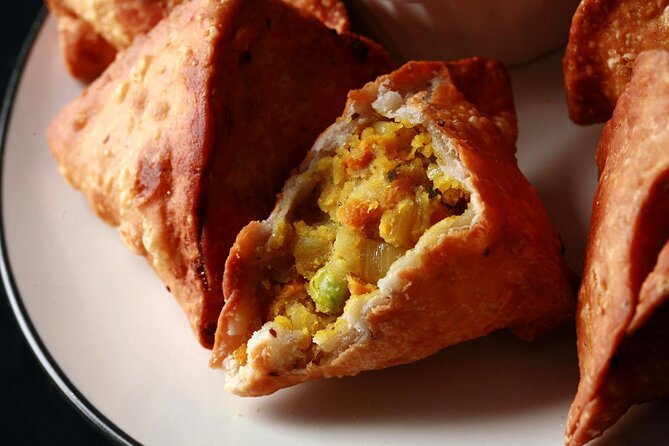
Mukimo adds another traditional staple. The tour also includes chapati, a flatbread with clear links to the wider Indian Ocean and East African food world. Together, these three foods show that Kenyan cooking is not one narrow style. Meals can be built around maize, mashed vegetable mixtures, flatbread, grilled meat, and stews or soups.
For you, this part of the experience is valuable because it explains how an everyday meal is assembled. You are not simply checking names off a list. You are learning which foods provide the base, which add flavor, and which are eaten together.
More sit-down meals around the world:
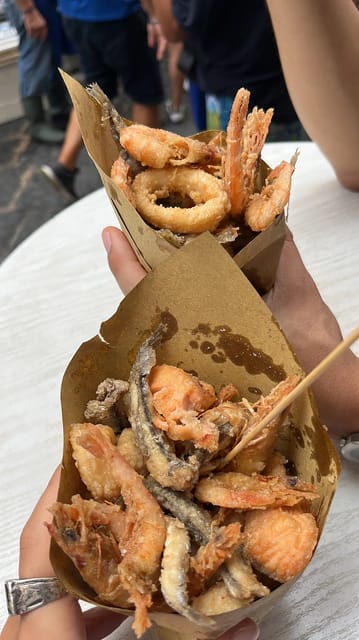
- Naples: Street Food Experience With 6 Stops
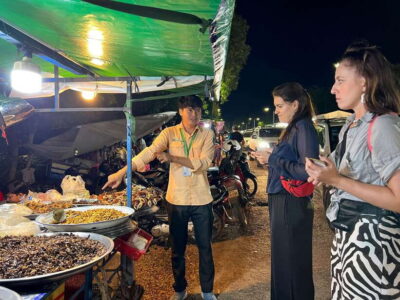
★ 4.7 · 392 reviews - Siem Reap: Street Food Experience by Tuk-Tuk
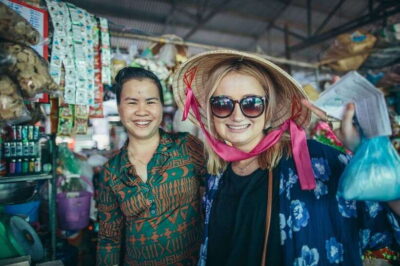
★ 4.9 · 310 reviews - Saigon at Sunset: Ultimate Street Food Experience
★ 4.7 · 153 reviews - Sorrento: Guided Walking Tour & Street Food Experience
★ 4.6 · 152 reviews
Kachumbari and mboga za kienyeji
Kachumbari is a tomato and onion salad that brings a fresh contrast to grilled meat and heavier starches. It is a useful dish to have beside nyama choma because it breaks up the richness of the meal.
Mboga za kienyeji refers to traditional vegetables. The supplied menu does not name the specific vegetables or describe their preparation, so you should expect variation rather than a guaranteed recipe. Your guide can explain what appears during your meal.
This is one reason the private setup helps. If you see a vegetable or side dish you do not recognize, you can ask about it right away instead of simply leaving it untouched.
Soup, madafu, samaki, and Swahili dishes
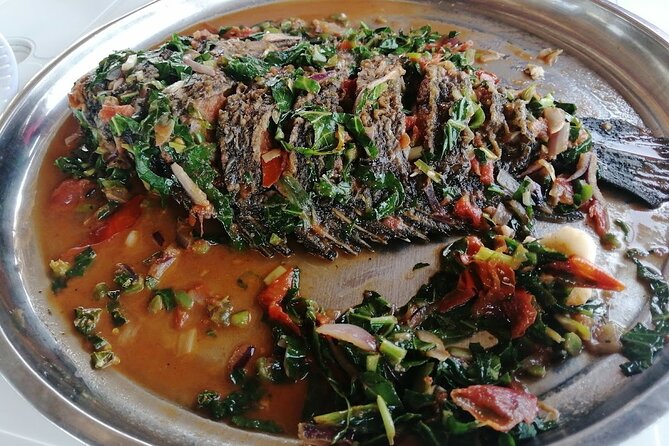
Soup, madafu, and samaki are also listed among the possible foods. Madafu refers to young coconut, while samaki is fish. The exact preparation of the fish and the particular Swahili dishes are not specified, so the menu is not fully fixed.
The Swahili portion is especially useful for understanding Nairobi’s place in a wider coastal and Indian Ocean food tradition. One dining experience can show how Kenyan food includes local staples alongside outside influences adapted to Kenyan tastes. The menu also includes a mix of Swahili dishes, giving your guide room to shape the meal around the available food.
Do not expect every listed item to arrive as a separate formal course. The description presents a selection of foods, and what you receive can depend on the arrangements for your lunch or dinner.
Why the private format matters
A private tour changes the feel of a food outing. You are not trying to keep up with a large group or waiting while strangers decide what to order. If you are curious about ingredients, table customs, or the difference between two dishes, you can ask your guide directly.
It also helps if your group has mixed enthusiasm. One person may want to try every local specialty, while another may need more time with unfamiliar food. A private guide can make the experience more personal than a standard group tasting.
Faith and Benson received especially warm praise for making one birthday outing feel personal. Simon was also singled out for combining food with explanations of Kenyan culture and customs. Those details suggest that the best part of the tour may be the conversation between stops, not just the eating itself.
Still, the private format does not make the food more polished. You are being taken to places ordinary Kenyans use, including off-the-beaten-track establishments. That is the point, but it also means you should not book this expecting hotel dining, a chef-led tasting menu, or carefully controlled presentation.
Local places instead of a polished restaurant
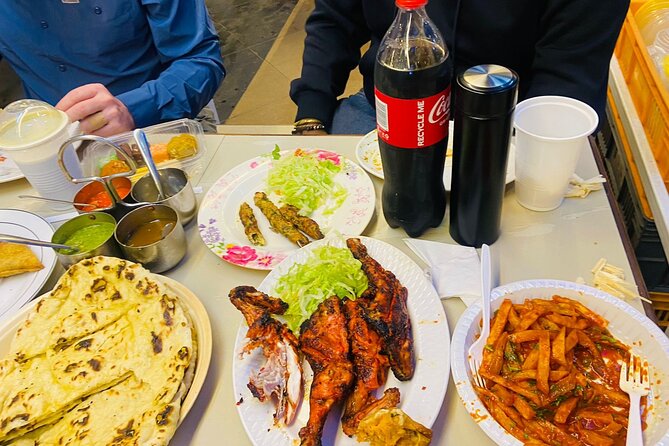
The tour’s strength is its access to multiple types of food establishments. You get well-known local spots, then lesser-known places that can be difficult to locate or assess by yourself.
This makes the experience a practical choice early in a Nairobi visit. You get a guided introduction before making your own food plans for the rest of the trip. You may also find that the route gives you a better sense of how people eat in different parts of the city.
The phrase street food should be understood broadly here. The supplied information does not promise vendors standing at a particular market or a fixed street stall route. Instead, it describes a mix of food spots and local establishments, with a full lunch or dinner included.
That distinction matters. If your dream is to walk through a market and sample tiny bites from carts, this may not match it exactly. If you want a substantial meal in local places and help choosing where to eat, the format is better suited to you.
Is $163 per person a fair price?
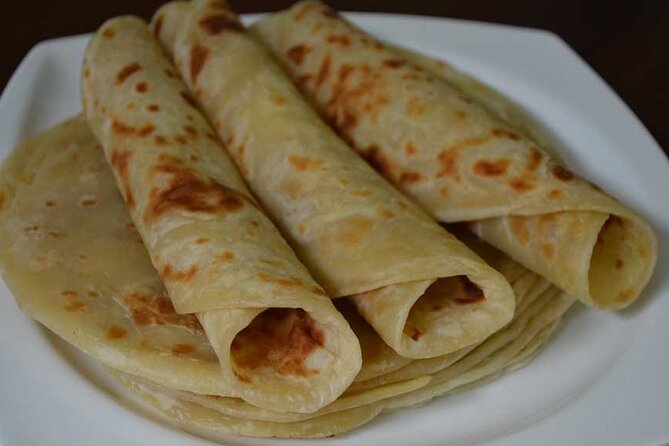
The listed price is $163 per person. That is a serious amount for a food outing in Nairobi, especially when one piece of feedback compared a dinner for two at a top Nairobi restaurant with the tour cost. The quoted comparison used $107 per person, which suggests that pricing may have changed, but it still points to the central issue: this is not a budget meal.
You are paying for more than the ingredients. The price includes a private guide, hotel pickup and drop-off in Nairobi, multiple establishments, a full lunch or dinner, and the convenience of having someone select the route. For a first visit, that can save time and reduce the guesswork.
Value depends on how you travel. If you would happily spend a day finding local food on your own, $163 may feel excessive. If you have limited time, want a private guide, and care more about everyday Kenyan dishes than luxury dining, the cost becomes easier to defend.
I would compare it with the price of a private city outing, not only with the price of a plate of nyama choma. The tour gives you transport, several stops, conversation, and a broad meal in one block of time. Even so, anyone watching the budget should weigh the expense carefully before booking.
How much food should you expect?
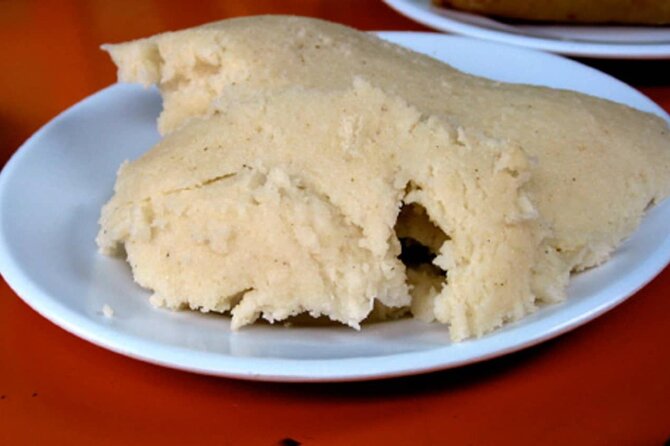
The practical advice is simple: arrive hungry. The meal is described as plentiful, and the included food covers far more than one named dish. You may be served several starches, grilled meat, vegetables, salad, soup, fish, fruit or coconut-based refreshments, and Swahili dishes across the outing.
Because the exact portions are not stated, I would not promise that every person receives identical servings of every item. The menu lists the kinds of food included, but the final combination may vary.
This is good news if you want a serious introduction to Kenyan cooking. It is less ideal if you prefer controlled portions or dislike feeling obligated to eat unfamiliar dishes. One piece of feedback described the tour as unsuitable for someone without much tolerance for unfamiliar food experiences, so honest self-assessment matters.
You should also remember that personal items and services are not included. The included drink is one bottled water per person. Anything beyond the stated meal and water should be treated as your own expense.
Who will enjoy this Nairobi food tour?
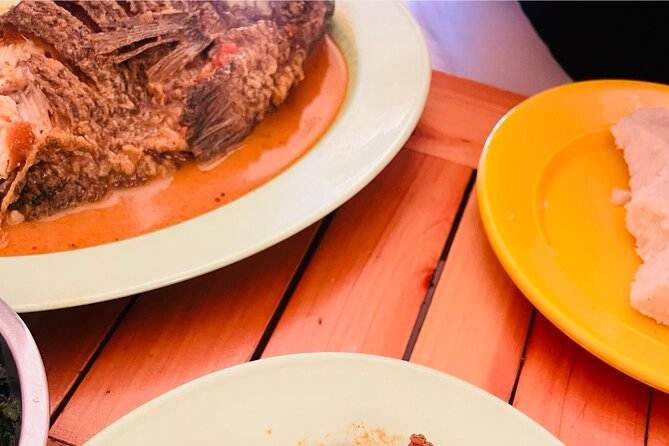
I would recommend it most strongly to you if you:
- Want to try Kenyan dishes but do not know where to begin
- Prefer a private guide to a large group
- Enjoy generous meals and several stops
- Want both familiar local restaurants and less obvious food places
- Are curious about Swahili and Indian-influenced elements in Kenyan cooking
- Have only half a day available for a food-focused introduction
Families and small groups may also appreciate the private setup, since the outing is exclusive to your party. A birthday group can make the occasion more personal with a guide such as Faith or Benson, provided everyone is comfortable with an informal local-food setting.
I would be more cautious if you have a very narrow diet, dislike unfamiliar food, or expect luxury surroundings. The menu is broad, but the tour is built around what ordinary Kenyans eat. That is its purpose, not a side detail.
Booking, timing, and cancellation details
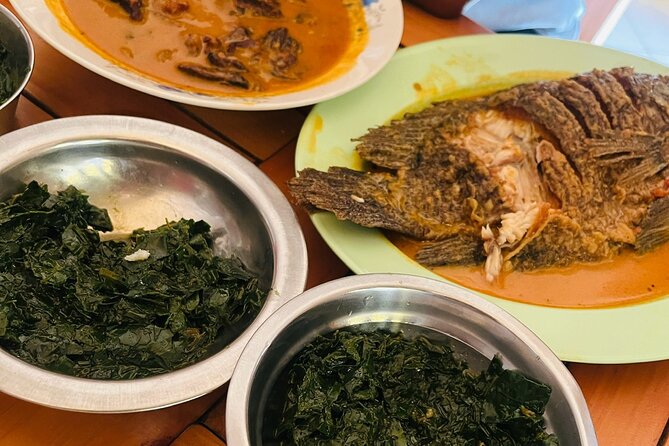
Pickup and drop-off are offered in Nairobi, and confirmation is received at the time of booking. The tour is booked about 48 days ahead on average, so planning early is sensible if your dates are fixed.
The experience is available as a mobile ticket and offers group discounts. It is listed as lunch, while the inclusions also refer to lunch or dinner, so confirm the meal timing and arrangement when you book.
You can cancel for a full refund up to 24 hours before the experience starts. Cancellations or changes made less than 24 hours before the start time are not accepted for a refund, and the cut-off follows local Nairobi time.
Should you book it?
Book this tour if you want a private, food-first introduction to Nairobi and would rather let a local guide choose several stops than spend your own time sorting through thousands of options. The plentiful meal, hotel transfers, and named guides such as Faith, Benson, and Simon add real convenience.
Skip it if $163 feels too high for a meal, or if you want a polished restaurant dinner or a strict market-stall itinerary. This is a generous, informal outing built around everyday Kenyan food, and it asks you to be open to unfamiliar places and dishes. For the right eater, that is exactly the value.
FAQ
Where does the Nairobi food tour take place?
The experience takes place in Nairobi, Kenya, with pickup and drop-off offered in Nairobi.
How long does the tour last?
The tour lasts approximately five hours.
Is the tour private?
Yes. Only your group participates in the activity.
What food is included?
The included meal may feature ugali, mukimo, chapati, nyama choma, kuku choma, samaki, mboga za kienyeji, kachumbari, soup, madafu, Swahili dishes, and other specified foods.
Is lunch included?
Yes. Lunch or dinner is included, depending on the arrangement for the experience.
Is bottled water included?
Yes. One bottled water is included for each person.
Are hotel transfers included?
Yes. Pickup and drop-off in Nairobi are included.
Does the tour visit more than one food establishment?
Yes. The experience introduces you to multiple food establishments, including well-known spots and lesser-known local places.
Who might guide the tour?
Guides named in the tour information include Faith, Benson, and Simon. The specific guide for your booking is not guaranteed in the supplied details.
Can I cancel for a full refund?
Yes. You can cancel at least 24 hours before the start time for a full refund. Changes or cancellations made less than 24 hours before the start time are not accepted for a refund.
Newly added plates around the world
- Zanzibar:Stone town Street food market walking tour,transfer★ 4.5 · 9 reviews
- Zanzibar: Stone town visit, Shopping tour &Night food Market★ 4.4 · 2 reviews
- Xi’an Muslim Quarter Night Market Foodie Walking Tour★ 4.2 · 22 reviews
- Xi’an: Gourmet & Street Food Tour★ 4.8 · 22 reviews
- Zanzibar: Stone town tour, Prison island & night food market★ 4.5 · 2 reviews
- Verona: Street Food and History Tour with Local Guide★ 4.7 · 6 reviews
- Vienna Food Tour: Dishes, Wine, Street Food & Culture★ 4.7 · 12 reviews
- Verona: City Highlights & Street Food Walking Tour★ 5.0 · 3 reviews
Dining Experiences, compared.
Saigon at Sunset: Ultimate Street Food Experience
Read our review →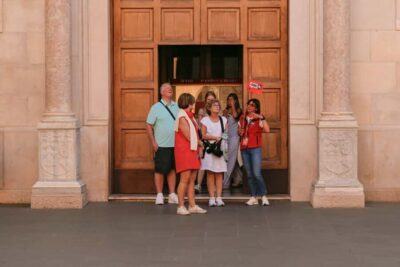
Sorrento: Guided Walking Tour & Street Food Experience
Read our review →
Bangkok Food Tour by Tuk Tuk – Hotel-pickup & Dinner
Read our review →
Naples Street Food Experience with local guide – Small Group Tour
Read our review →Browse the lists this tour appears in