REVIEW · TOURS
Walking Street Food Tour and 2 UNESCO Sightseeing in Kathmandu
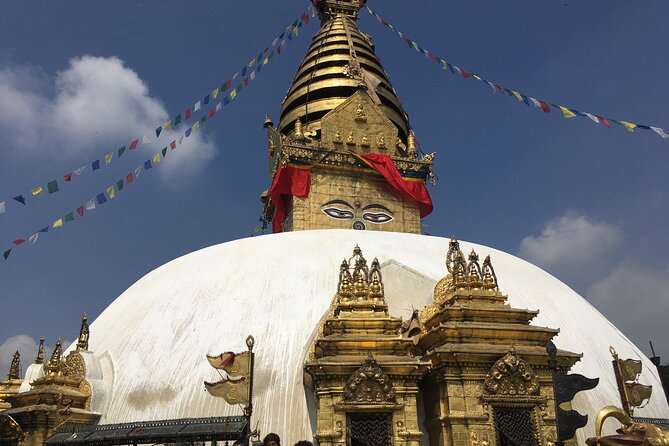
Kathmandu’s best short introduction may be this six-hour mix of temples and street food. You begin at Swayambhunath, take in the wide view from its hilltop stupa, then move into Asan Market for local snacks before finishing at Kathmandu Durbar Square.
I like the smart route and the private format. You get two major cultural sites, time in a working market, and a food-focused lunch without spending a full day on a bus. I also like that the menu can be adjusted for vegan, vegetarian, and allergen needs.
The main thing to watch is the extra cost at the monuments. UNESCO entrance fees are not included, so the $65 price is not the complete out-of-pocket total. The meeting point is in the Thamel area, and pickup is offered, but you should confirm the exact pickup plan before setting out.
Key points at a glance
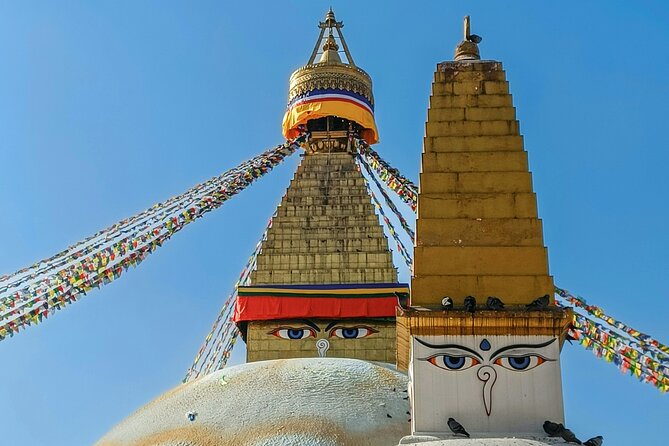
- Swayambhunath hilltop views: Begin at the fifth-century white stupa known as the Monkey Temple, with views across Kathmandu Valley.
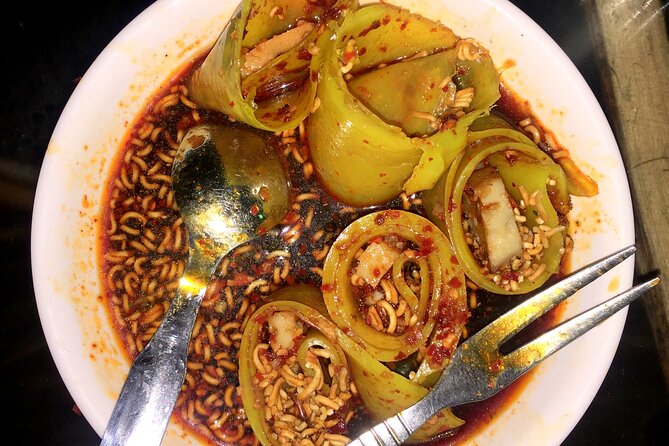
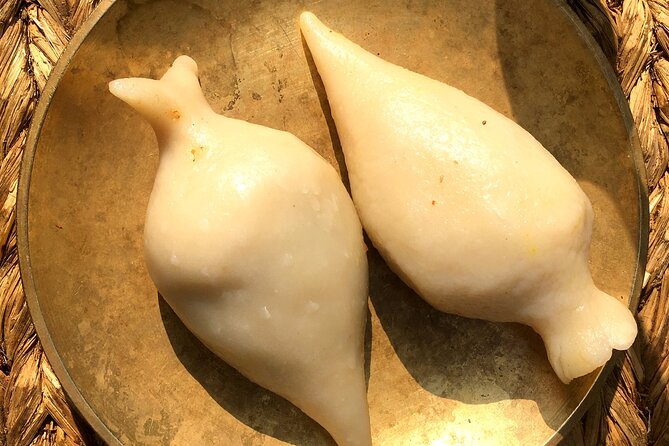
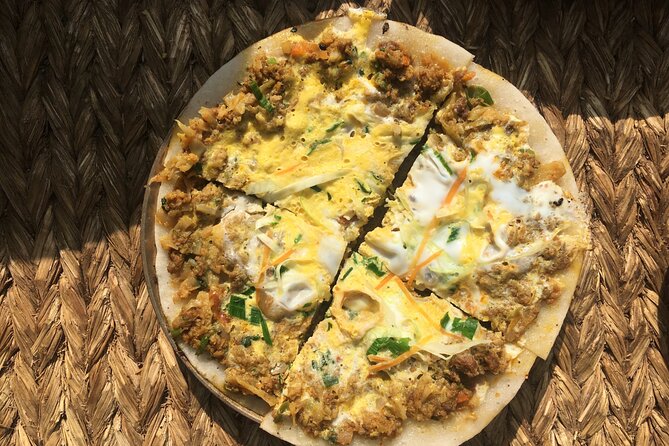
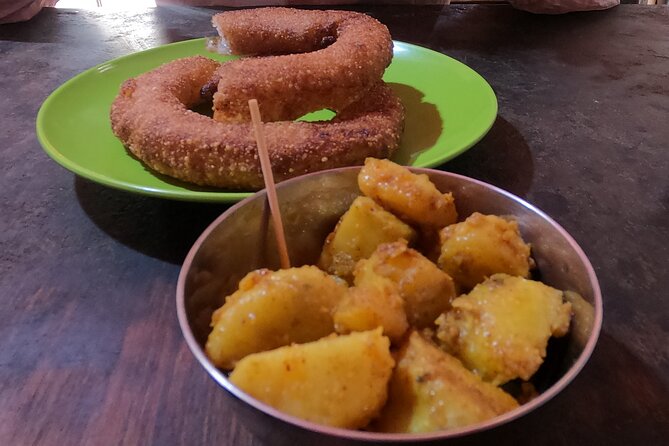
- Asan Market tasting walk: Try momo, bara, yomari, lassi, samosa, and other local foods while walking through one of central Kathmandu’s busiest shopping areas.
- Kathmandu Durbar Square: See the old royal palace area and its finely carved temples in the heart of the city.
- Private six-hour format: Your group has its own guide and private transportation, making this useful when your time in Kathmandu is limited.
- Dietary flexibility: Vegan, vegetarian, and allergen adjustments are available if you explain your needs in advance.
- Drinks included: Fresh juices, lassi, masala tea, soft drinks, bottled water, and lunch are covered, while alcohol and personal purchases are not.
Why this Kathmandu combination works
Many Kathmandu tours force you to choose between monuments and food. This one joins the two in a sensible order. You see Swayambhunath in the morning, enter the city center for Asan’s food stalls and shops, then spend the final portion at Kathmandu Durbar Square.
That sequence gives you a useful first look at the city. The opening stop offers a broad view and religious context. Asan brings you down to street level, where people shop, eat, and move through the city. Durbar Square then brings the focus back to architecture, royal history, and daily life around old temples.
I like this balance because Kathmandu is not best understood from a vehicle window. The city’s character appears in the small details: a food stall preparing a snack, a market lane packed with goods, a temple courtyard used by local people, or a carved doorway that rewards a close look.
The tour lasts about six hours and begins at 10 a.m. That is long enough to give each stop real attention, though you should not expect an exhaustive visit to every corner of the city. This is a focused introduction for someone with limited time.
The tour is private, so only your group takes part. That matters in narrow market lanes and at busy heritage sites. You can ask questions at your own pace, spend longer on a food you enjoy, or raise dietary concerns directly with the guide.
More street food tours in the world:
- Dubai: Old Town, Creek, Museums, Souks, & Street Food Tour
★ 4.8 · 10,816 reviews - Ho Chi Minh City Street Food Tour & Sightseeing By Motorbike
★ 5.0 · 9,413 reviews - Medellin: Comuna 13 Graffiti Tour, Cable Car & Street Food
★ 4.8 · 9,046 reviews
Swayambhunath and the view over Kathmandu Valley
Your first stop is Swayambhunath, commonly called the Monkey Temple. The site is described as a fifth-century white stupa on a hill, making the opening visit both scenic and cultural.
The hilltop setting gives this stop a strong beginning. Instead of starting in traffic or among shopfronts, you first look out across Kathmandu Valley. The view helps you understand the scale of the city before you begin walking through its older central districts.
The stupa is also a useful introduction to Nepal’s religious mix. The tour is designed to explain different religions and cultures in Kathmandu, and Swayambhunath gives that theme a clear place to begin. Your guide can help connect what you see at the monument with the wider traditions found around the city.
Plan for up to two hours here. The time is listed as including admission, though the general tour information says UNESCO entrance fees are not included. That is worth clarifying before booking, since the stop is one of the two main heritage sites.
You should also be ready for a hilltop visit rather than a flat stroll. The supplied information does not specify the number of steps, the walking distance, or the exact accessibility arrangements. Most people can participate, but anyone concerned about hills or uneven historic areas should ask the operator for current details.
The stop is not only about taking a photograph. I would use the guide here to ask about the stupa, the religious practices connected with the site, and how Swayambhunath fits into Kathmandu’s history. The tour promises depth on Nepal and its past, so this is one place where questions can make the visit much more useful.
Asan Market, where the food portion comes alive
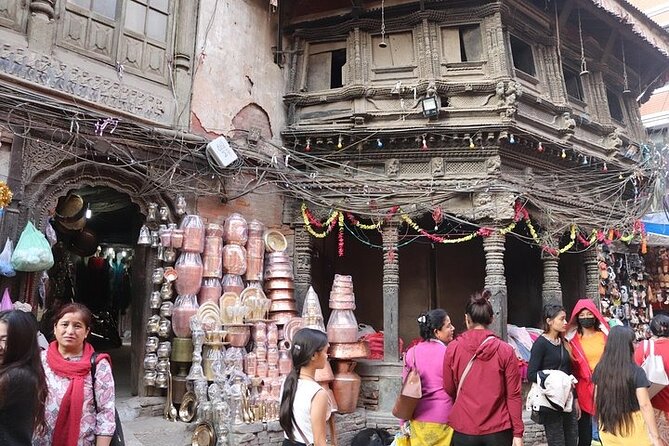
After Swayambhunath, you head into Asan Market, described as the heart of the city. This is the most direct contact with ordinary Kathmandu life during the tour.
Asan is not presented as a formal cooking class or restaurant meal. It is a walking food experience through local streets and market lanes. That distinction matters. You are there to see how the city eats and shops, while sampling several familiar Nepali foods along the way.
The listed tasting range is appealing:
- Momo
- Bara
- Yomari
- Lassi
- Samosa
- Fresh juices
- Masala tea
Momo are dumplings and one of the foods most visitors hope to try in Nepal. Bara is a savory lentil-based item, while yomari is a traditional Newari sweet. Samosa offers a familiar point of reference, and lassi gives you a cool, yogurt-based drink option. The exact stalls and portions are not specified, so think of this as a guided tasting walk rather than a fixed restaurant menu.
You should arrive ready to sample rather than fill up on one large dish. The included lunch and drinks make this a substantial part of the day, but the pleasure is in trying several things and seeing where they are prepared.
The food section is also where the tour’s dietary promise matters most. Vegan, vegetarian, and allergen adjustments are available. Tell the operator about your needs when booking, and repeat them to the guide at the start. The information does not list specific substitutes or guarantee a separate kitchen, so clear communication is still important.
Asan can be crowded and active. That is part of its appeal, but it may feel less relaxed than a sit-down meal. Watch your belongings, keep track of your group, and follow the guide through the lanes. The tour is meant to take you off the standard sightseeing path and into local streets, so comfort with noise, movement, and changing food stops will help.
I especially like that the food walk follows the hilltop temple. You get a visual introduction to Kathmandu first, then experience the city through taste and movement. The contrast gives the day more shape than a string of monuments.
Kathmandu Durbar Square and the old royal center
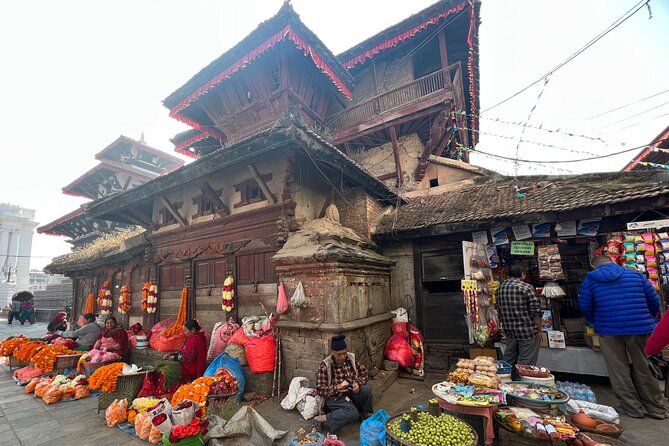
The final two-hour stop is Kathmandu Durbar Square, an old royal palace area in the middle of the city. The square is described as a place where you can see local life alongside old heritage temples with detailed carving.
This is a large payoff for the second half of the day. Durbar Square is not just one building. It is a group of palace courtyards, temples, and historic structures, which explains why the available time can pass quickly.
Look closely at the wood carving. The description highlights minute detail, and a guide is useful here because many features can be easy to pass without context. Ask which buildings served royal functions, how the square relates to Kathmandu’s religious traditions, and what you are seeing beyond the most obvious temple roofs.
The setting also keeps the history connected to the present. You are not visiting an isolated museum. The square is in the center of Kathmandu, where local life continues around the heritage buildings. That mix is one of the strongest reasons to include it in a short city tour.
The practical drawback is that two hours may feel brief if you want a slow architectural study. You are also visiting after a morning of sightseeing and a market walk, so the pace may feel full by this point. I would save a little energy for the square, since it is the final major stop and one of the tour’s central reasons for booking.
Again, entrance fees are not included. Since both Swayambhunath and Kathmandu Durbar Square are UNESCO-related sightseeing stops, the extra admission cost should be part of your budget. Ask for the current fee before the tour date, as the supplied information does not give an amount.
Same city, another round of plates:
- Dubai: Old Town, Souks, Street Food, Guided Tour & Abra Ride
★ 4.9 · 7,170 reviews - Naples: Street Food Walking Tour with Local Guide
★ 4.9 · 4,976 reviews - Small Group Hanoi Street Food Tour with a Real Foodie
★ 5.0 · 4,682 reviews - Rome: Street Food Tour with Local Guide
★ 4.8 · 4,077 reviews
What the $65 price really covers
At $65 per person, this is not simply a guided walk. The price includes a private guide, private transportation, lunch, and several drinks. Fresh juice, lassi, masala tea, soft drinks, and bottled water are listed as included.
The private format is the biggest value point. You are not paying for a large group with a fixed pace. Your own group participates, and that can make a real difference in a market setting or when someone needs food adjustments.
The price also saves you from arranging separate transport between three very different parts of Kathmandu. You get a hilltop monument, a central market, and an old palace district in one half-day-plus outing.
Still, $65 is not the final cost. UNESCO entrance fees are excluded, as are alcoholic drinks, souvenirs, and personal expenses. If you are comparing this with a simple walking tour, add those extra charges before deciding.
For a short stay, I think the value is strongest if you want both food and sightseeing. If you only want a monument tour, you may be paying for food and transport you do not need. If you only want to eat, the two long heritage stops will take up much of your day.
Timing, pickup, and the pace of the day
The stated start time is 10 a.m., with the experience lasting about six hours. It ends back at the meeting point. The listed starting point is Narsingh Chowk Marg in Kathmandu, and pickup is offered.
Because pickup details can vary, confirm the exact arrangement before the day begins. The information names a meeting point but does not specify the pickup area, vehicle type, or whether pickup is included from every hotel.
The tour operates Monday through Sunday between 10 a.m. and 6 p.m. Confirmation is sent within 48 hours of booking, subject to availability. It is wise not to schedule a tight flight, long-distance bus, or other fixed appointment immediately afterward.
The tour is near public transportation, which gives you another way to reach the start if pickup is not arranged. You should allow extra time for Kathmandu traffic, though the provided details do not give a transfer estimate.
Wear practical walking shoes and bring water, even though bottled water is included. The day combines a hilltop site, market lanes, and a large historic square. The supplier states that most people can participate, but no specific details are given about wheelchair access, step-free routes, or seating during the food walk.
The guide makes the difference
The tour is led by a professional tour leader, and the guide service is included. One named guide connected with the experience is Shova, who led a particularly well-regarded food and culture outing.
A good guide is important here because the day has two jobs. You need help understanding the sites, and you also need someone who can explain what you are eating and help manage the practical side of market sampling.
Use the private setting to ask direct questions. You can ask about Hindu and Buddhist traditions, the old royal center, the foods in Asan, and the changes visible in Kathmandu today. The tour promises detailed information about Nepal and its history, but the quality of your questions will help shape how much you take away.
The information does not promise a guide named Shova for every departure. If you specifically want her, ask Yakthung Tours and Travels before booking.
Who should book this tour
This experience suits you best if you have limited time in Kathmandu and want a broad first look without arranging several separate outings. It combines scenery, religion, food, market life, architecture, and local history in one private half-day.
It is also a good fit for people who prefer a guide to explain what they are seeing rather than simply point out famous buildings. The food portion makes the day more varied, especially if you enjoy trying several small dishes instead of sitting down for one standard lunch.
Families, couples, and small private groups may appreciate the flexible format. People with vegan, vegetarian, or allergen needs can request adjustments, though you should provide those details early.
You may want a different plan if you dislike market crowds, have difficulty with hills or uneven historic sites, or want a slow visit at each monument. The six-hour schedule is useful, but it is still a packed introduction rather than a leisurely study of Kathmandu.
Free cancellation is available up to 24 hours before the start time for a full refund. Changes or cancellations inside that window are not accepted for a refund, so keep the local cutoff in mind.
Should you book it?
Book this tour if you want Kathmandu in compact form: a hilltop stupa, a local market, a generous food sampling, and an old royal square. The private guide and included transport make the $65 price easier to justify, especially when your stay is short.
Before paying, confirm the pickup plan, the current entrance fees, and any dietary requirements. If you want a relaxed, specialist visit to only one monument, this schedule may feel too broad. If you want a practical first day that connects Kathmandu’s culture with its food, it is a strong choice.
FAQ
How long does the Kathmandu food and sightseeing tour last?
The tour lasts approximately six hours, beginning at 10 a.m. and ending back at the meeting point.
Which places does the tour visit?
The route includes Swayambhunath Temple, Asan Market, and Kathmandu Durbar Square.
Is food included in the price?
Yes. Lunch is included, along with fresh juices, lassi, masala tea, soft drinks, and bottled water.
Are UNESCO entrance fees included?
No. UNESCO entrance fees are not included and must be paid separately.
Can the food be adjusted for dietary needs?
Yes. Adjustments are available for vegan, vegetarian, and allergen requirements. Share your needs when booking.
Is this a private tour?
Yes. Only your group participates, and private transportation and guide service are included.
Newly added plates around the world
- Zanzibar:Stone town Street food market walking tour,transfer★ 4.5 · 9 reviews
- Zanzibar: Stone town visit, Shopping tour &Night food Market★ 4.4 · 2 reviews
- Xi’an Muslim Quarter Night Market Foodie Walking Tour★ 4.2 · 22 reviews
- Xi’an: Gourmet & Street Food Tour★ 4.8 · 22 reviews
- Zanzibar: Stone town tour, Prison island & night food market★ 4.5 · 2 reviews
- Vienna Food Tour: Dishes, Wine, Street Food & Culture★ 4.7 · 12 reviews
- Verona: Street Food and History Tour with Local Guide★ 4.7 · 6 reviews
- Verona: City Highlights & Street Food Walking Tour★ 5.0 · 3 reviews
Tours, compared.
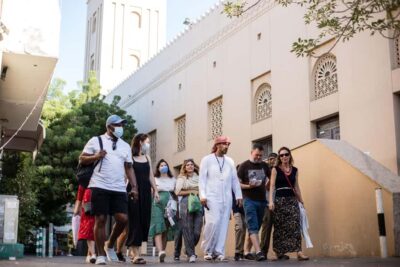
Old Town, Creek, Museums, Souks, & Street Food Tour
Read our review →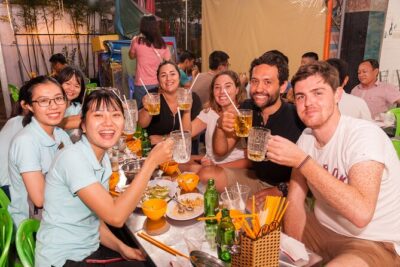
Ho Chi Minh City Street Food Tour & Sightseeing By Motorbike
Read our review →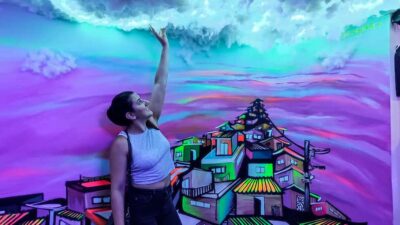
Comuna 13 Graffiti Tour, Cable Car & Street Food
Read our review →
Old Town, Souks, Street Food, Guided Tour & Abra Ride
Read our review →
Small Group Hanoi Street Food Tour with a Real Foodie
Read our review →
Private Street Food Tour by Motorbike/Car with Local Students
Read our review →