
REVIEW · HOI AN STREET FOOD TOURS
The 10 Tastings of Hoi An: Private Street Food Tour
Hoi An’s best food often appears in small shops and market corners, not polished restaurants. This private street food walk takes you to those everyday places for ten tastings, from strong phin coffee and fried wonton to cao lau, banh mi, chicken rice, and a black rice cake called banh it la gai.
I like the one-on-one format, which lets you ask questions and request changes to the route. I also like the way food is mixed with local sights, including a Champa-era well, assembly halls, pagodas, and the market. The main drawback is the price, $69.93 per person, which is a serious spend for three hours in Vietnam, especially if your group is small.
A former guide named Tam received specific praise for being kind, local, and willing to show the less obvious corners of Hoi An. Bring a good appetite, but remember that not every stop is a full serving, and the route includes plenty of walking.
Key points to know before booking
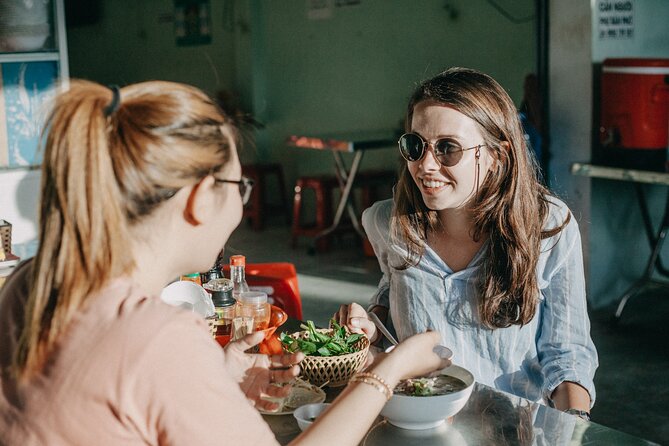
- Ten tastings cover more than just famous dishes: You’ll try food and drinks such as phin coffee, fried wonton, cao lau, fresh fruit, banh mi, morning glory, chicken rice, banh it la gai, and iced Vietnamese tea.
- A private guide makes the route flexible: Tell your guide at the start what you like, dislike, or cannot eat. Vegetarian alternatives are available.
- The food stops are tied to Hoi An’s culture: You’ll hear about coffee, pho, market life, local beliefs, old wells, assembly halls, and the city’s mixed Chinese, Vietnamese, and Champa influences.
- The tour lasts about three hours: The pace is active, with short stops and walking between food vendors, market areas, temples, and historic sights.
- The meeting point is in Cam Chau: Hotel pickup and drop-off are not included, and the tour ends back at the meeting point.
- Ask about the two cao lau entries: The route description lists cao lau near both Precious Heritage by Réhahn and the Central Market, so confirm whether these are separate tastings or a route adjustment.
Why this food walk works well in Hoi An
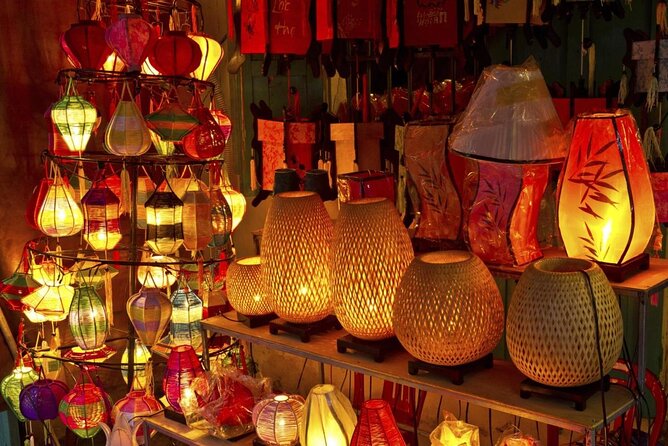
Hoi An is easy to admire from its yellow walls and lantern-lit lanes, but food gives you a better sense of how the city lives. Recipes here reflect trade, farming, river life, Chinese influence, and local cooking habits. A guide can connect those threads while you eat, which is more useful than simply receiving a list of dishes.
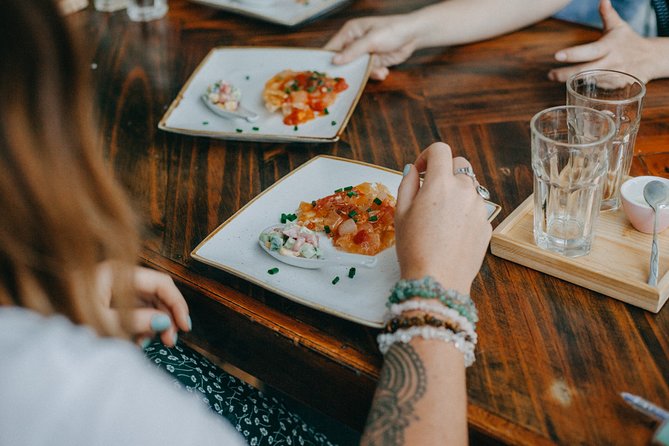
This tour is also built around small portions. Ten tastings sounds like a lot, but the food is spread over roughly three hours. You can sample widely without committing to ten restaurant meals. Still, you should arrive hungry. The previous experience with Tam was praised for its first stop, described as especially local and delicious, so I would avoid a large breakfast or lunch beforehand.
The private format matters. You are not tied to a large group’s pace or a fixed set of tastes. You can ask for more explanation about a dish, slow down at the market, or tell the guide early that you prefer vegetarian food. The tour includes vegetarian alternatives, but you should contact the provider after booking if you need to discuss restrictions in advance.
More street food tours in Hoi An:
- Hoi An at Sunset: Authentic Local Street Food Tour
★ 4.5 · 329 reviews - Hoi An Street Food Walking Tour with Tastings
★ 5.0 · 317 reviews - Hoi An street food tour with Billy
★ 5.0 · 273 reviews
Starting at Nam Quang Pagoda
You meet your guide near Aum Yoga Vietnam at Nam Quang Pagoda. The first ten minutes introduce Hoi An’s culture and beliefs, giving the food walk a useful setting before the eating begins.
That opening is short, but it helps explain why this is not only a restaurant crawl. Pagodas and religious sites are part of ordinary city life, and beginning beside one gives you a quick sense of place. Admission is free, and the tour then moves toward food and local streets.
The meeting point sits in Cam Chau, rather than at your hotel. Plan your own way there, since pickup and drop-off are not included. The tour ends back at the meeting point, which makes it easier to plan another activity afterward, though you should allow time to find the starting place.
Phin coffee and fried wonton in Hoi An
One of the more useful early stops is a family-run coffee shop. You see how phin coffee is made, then taste different coffees to compare them. The Vietnamese phin is a small metal filter that lets coffee drip slowly into a cup, so this is a chance to understand the method rather than simply order an iced coffee.
Coffee strength and preparation can vary. Tasting several versions helps you notice those differences while the guide explains the drink in a local setting. If you normally find Vietnamese coffee too strong or too sweet, this is a good moment to say so and ask questions.
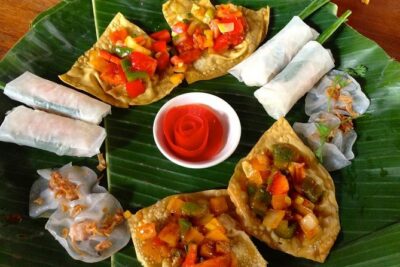
The same stop includes fried wonton made with minced shrimp and pork, wrapped in a thin layer of local powder. The dish has Chinese roots but has been adjusted to local tastes. That detail captures Hoi An’s food culture well: outside influences came through the trading port, then were changed in local kitchens.
This is a small tasting, not a full meal. You get a quick introduction to the dish and its background, then move on.
Pho, handicrafts, and the city’s food story
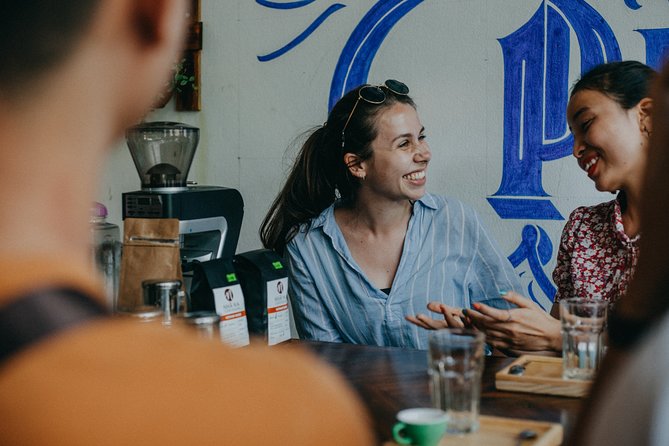
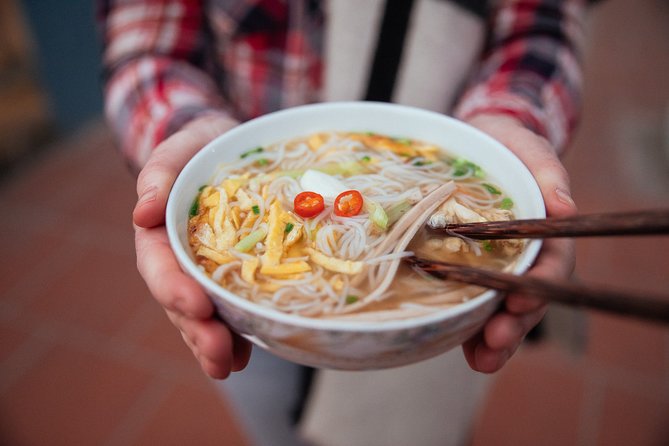
Near the Hoi An Handicraft Workshop, the guide explains the origins of pho and how to eat it in the Vietnamese way. The information provided for this stop focuses on the story and eating customs, so do not assume it is a separate bowl of pho unless your guide confirms it.
That distinction matters if you are counting the ten tastings. The tour packs food, explanation, and sightseeing together, and some stops are about context rather than another full dish. I like that approach because it keeps the walk from turning into a rapid series of plates with no connection to the city.
The handicraft area also gives you a change of pace. You are not simply walking from vendor to vendor. The route uses Hoi An’s cultural landmarks to explain how local life, craft, belief, and food sit close together.
Same city, another round of plates:
- Hoi An Night Market – Ancient Town street food tours by Night
★ 5.0 · 165 reviews - Hoi An Ancient Town – Night Market Street Food Tours By Night
★ 4.5 · 161 reviews - Hoi An Street Food Tour – Eat like a local – PRIVATE TOUR
★ 5.0 · 92 reviews - Hoi An street food tour
★ 5.0 · 92 reviews
Assembly halls and a possible route question
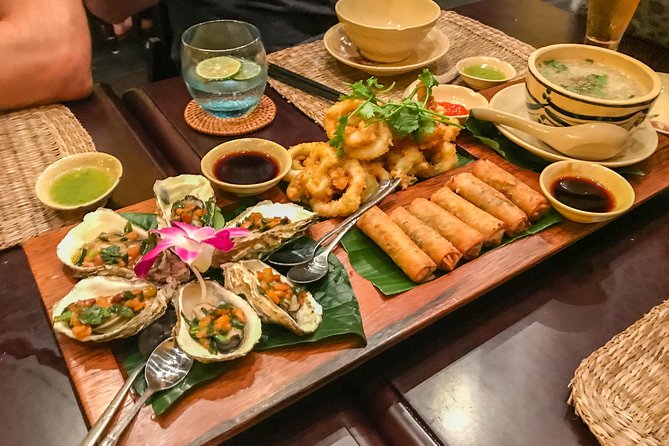
At Cam Nam Bridge, you see the Chaozhou Assembly Hall, built to honor General Ma Yuan, who was believed to have power over the sea. The stop takes about ten minutes, and admission is not included.
This is one of the places where a guide adds real value. You can look at an assembly hall on your own, but you may miss why a community built it, whom it honored, and how sea travel shaped Hoi An. The short visit keeps the route moving while adding a layer of history between tastings.
The tour description also places cao lau near Precious Heritage by Réhahn and again near the Central Market. Since both entries describe this same famous Hoi An dish, ask your guide at the beginning whether you will receive two different versions, visit one location instead, or follow an updated route. This is a practical question, not a complaint. A private tour gives you a natural chance to clarify it.
Cao lau and the flavors of Hoi An
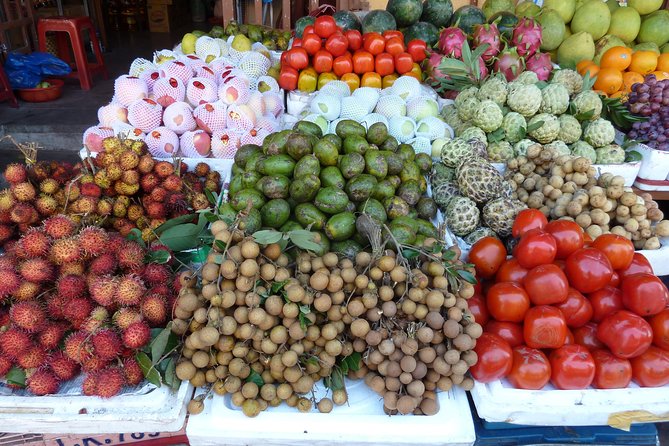
Cao lau is one of the city’s signature dishes. It reflects Hoi An’s mix of food traditions and is closely tied to the town rather than being a generic Vietnamese noodle dish.
The route takes you to what is described as one of the more authentic restaurants for this tasting. You should expect a local preparation of noodles with meat, greens, and crisp elements, though the supplied details do not specify the exact ingredients or portion size. Your guide can explain what you are eating and how the dish differs from pho.
The dish is worth paying attention to because it represents the cultural point of the tour. Hoi An’s food is not defined by one single tradition. Chinese influence, local Vietnamese cooking, regional produce, and the old trading port all appear on the plate.
Hoi An Market, fruit, and market life
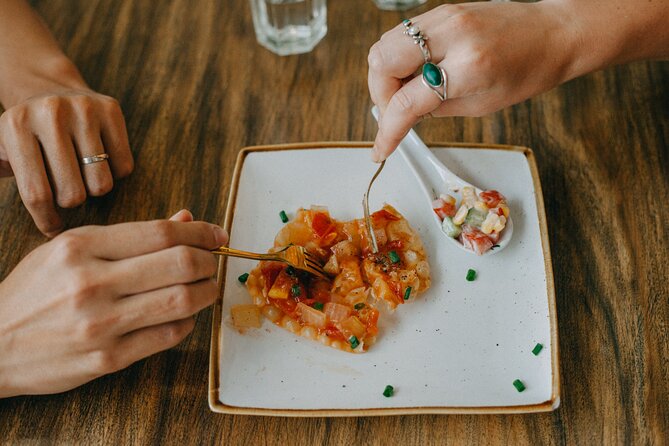
The route then moves through Hoi An’s main market. Before going inside, you taste seasonal fruit from a local vendor. Depending on the time of year, that may be dragon fruit or mango.
This is a simple tasting, but it gives you a chance to notice the season. Vietnam’s fruit selection changes, and the guide explains more about what is grown and eaten at different times of year. Since the exact fruit depends on availability, keep an open mind rather than expecting one fixed item.
Inside the market, the guide points out local life, explains some of its history, and lets you take in the activity around you. The market is not presented as a museum. It is a working place, and conditions may feel crowded, noisy, or warm. That is part of the experience, though people who prefer quiet, seated meals may find this section less comfortable.
Banh mi in an ancient house courtyard
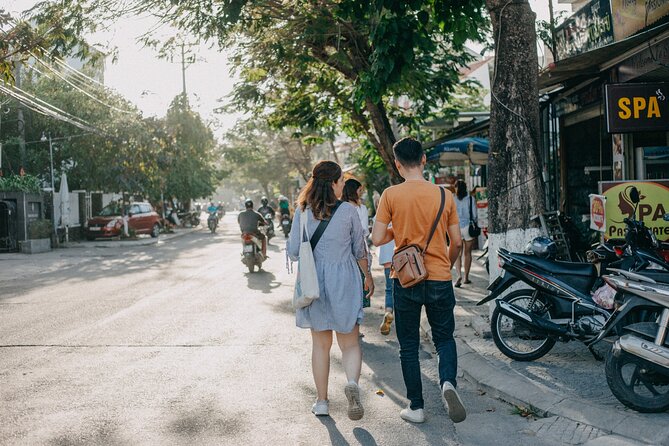
No Hoi An food walk would feel complete without banh mi. Here, you eat the Vietnamese sandwich in the front yard of an ancient house, a setting that gives the tasting more character than a quick roadside bite.
Banh mi combines bread, meats, and vegetables, though the exact filling is not specified. Ask your guide what is inside before eating if you have dietary restrictions. Since vegetarian alternatives are available, tell the guide early rather than waiting until the sandwich is served.
The courtyard setting also links food to Hoi An’s old architecture. You get a place to pause, eat, and hear more about the building around you. It is a small detail, but it helps the tour feel connected to the town instead of like a series of unrelated food samples.
Morning glory and an ancient Champa well
The next tasting is morning glory, a vegetable dish with a name that may sound like a flower but refers to a leafy vegetable. The tour highlights its flavor as well as its unusual English name.
This is a good reminder that a food tour should include vegetables, not only meat and noodles. The tasting adds variety and can work well for people who want to understand common local ingredients. Ask the guide how it is prepared if you want more detail, since the provided route does not specify the cooking method.
Along the way, you pass one of Hoi An’s oldest wells, built almost 1,000 years ago by the Champa people. Its architecture is different from the later Chinese-influenced assembly halls and Vietnamese buildings. The well is close to Fukian Assembly Hall, adding another short cultural stop without requiring a separate admission ticket.
Ba Van chicken rice near Ba Le Well
Near Ba Le Well, you visit a typical Hoi An food vendor for Ba Van chicken rice. The description emphasizes a buttery, melt-in-your-mouth quality, so this is likely to be one of the more substantial tastings on the route.
Chicken rice is a useful contrast to cao lau and banh mi. It is familiar enough to be approachable but still tied to local preparation. The tour does not specify the exact cut, seasoning, or serving size, so listen to the guide’s explanation rather than judging it as a standard rice-and-chicken meal.
Ba Le Well gives the stop a strong sense of place. You get a local dish near an old water source, which helps connect the practical side of city life with its past. The stop lasts about ten minutes, so keep your expectations realistic: this is a tasting and story, not a long sit-down lunch.
Banh it la gai, iced tea, and the final advice
The last food stop is close to Hoi An Theatre, at a cafe owned by a Vietnam War veteran. Here you receive two tastings in one place: banh it la gai and iced Vietnamese tea.
Banh it la gai is a rice-based treat with a distinctive black color and a refreshing flavor. It is less familiar to many first-time visitors than banh mi or pho, which makes it a fitting final sample. The iced tea gives you something cool and simple alongside the sweet, rice-based snack.
Before saying goodbye, the guide offers recommendations for other things to do and foods to try in Hoi An. This can be especially useful if you take the tour early in your stay. You can use the advice to shape the rest of your meals, though the value depends on how much time you have left in town.
The route also passes Pháp Bảo Temple, known as Phac Hat Pagoda, for about fifteen minutes. It is another cultural landmark folded into the walk rather than treated as a separate attraction.
Is $69.93 per person a fair price?
At $69.93 per person, this is not a budget food outing. The price pays for a private guide, ten food and drink tastings, cultural explanations, and the ability to adjust the route. You are also paying for the convenience of having someone connect the market, dishes, pagodas, wells, and assembly halls.
The value improves if you are a small group that wants personal attention. A private tour lets you set the pace and ask about ingredients, customs, and places you pass. Group discounts are available, which may make the price easier to justify for several people traveling together.
The value is weaker if your only goal is to eat as cheaply as possible. Hoi An has inexpensive food, and you can visit markets and local eateries without a private guide. This experience earns its price through interpretation and access to several tastings in one organized route, not through large portions or luxury dining.
The tour is booked an average of 28 days in advance, so reserve early if your schedule is fixed. Confirmation is provided at booking, and mobile tickets make the arrangement simple once you have a phone available.
Who should book this private Hoi An food tour?
I would choose this for a first visit to Hoi An, especially if you want food guidance without joining a large group. It also suits couples, families, and friends who have different tastes because the itinerary can be changed.
It is a good match for anyone who wants both food and place. You will not spend three straight hours seated at restaurants. You will walk between markets, temples, wells, historic buildings, and food stops, so a moderate fitness level is required.
I would think twice if you want a slow, formal meal, dislike market conditions, or need firm details about every dish before booking. The route is flexible, but that also means you should communicate clearly about allergies, vegetarian preferences, and the duplicate cao lau description.
The cancellation terms are fair but strict near departure. You receive a full refund if you cancel at least 24 hours before the start time. Cancellations or changes made inside that window are not accepted for a refund.
Should you book it?
Book this tour if you want an efficient introduction to Hoi An’s food and culture, and if a private guide is worth paying for. The strongest features are the range of tastings, the local market stops, and the chance to adjust the route to your preferences.
Skip it if you are comfortable finding food on your own and would rather spend $69.93 on several independent meals. For the best experience, go hungry, wear comfortable shoes, arrive at the Cam Chau meeting point on time, and tell your guide at the start exactly what you want to eat.
FAQ
How long does the Hoi An food tour last?
The tour lasts about three hours.
How many food and drink tastings are included?
Ten food and drink tastings are included in the private tour.
Is this a private activity?
Yes. Only your group and the local guide participate.
Are vegetarian alternatives available?
Yes. Vegetarian alternatives are offered for dietary restrictions.
Is hotel pickup included?
No. Hotel pickup and drop-off are not included. You meet in Hội An, Cẩm Châu, Hội An, Quảng Nam, Vietnam, and the tour ends back at the meeting point.
What is included in the price?
The price includes a private tour, a local guide, and ten food and drink tastings. Food and drinks not listed as inclusions are not covered.
Can the itinerary be changed?
Yes. You can tell the guide your preferences at the beginning of the tour or contact the provider after booking. Contact details are shared in the confirmation email.
What is the cancellation policy?
You can cancel for a full refund up to 24 hours before the experience start time. Cancellations or changes made less than 24 hours before the start time are not refunded or accepted.
Newly added plates around Hoi An
- HOI AN Sunset Food Tour – Night Market – Lantern Streets★ 5.0 · 15 reviews
- Morning Street Food Walking Tour Group Tour★ 5.0 · 4 reviews
- Night Life Street Food Tours Hoi An★ 5.0 · 11 reviews
- Hoi An Boat Ride and Release Lantern, Night Market Private Tour★ 5.0 · 10 reviews
- Hoi An Street Food Tour – Eat like a local – PRIVATE TOUR★ 5.0 · 92 reviews
- Hoi An street food Tour – Private Tour★ 5.0 · 19 reviews
- Hoi An Walking Street Food – Private Tour★ 5.0 · 57 reviews
- Hoi An street food tour★ 5.0 · 92 reviews
Hoi An Street Food Tours, compared.
Hoi An at Sunset: Authentic Local Street Food Tour
Read our review →
Hoi An Night Market – Ancient Town street food tours by Night
Read our review →
Hoi An Ancient Town – Night Market Street Food Tours By Night
Read our review →
Hoi An Street Food Tour – Eat like a local – PRIVATE TOUR
Read our review →
Browse the lists this tour appears in